
- Home
- Microsoft Certifications
- MB-820 Microsoft Dynamics 365 Business Central Developer Dumps
Pass Microsoft MB-820 Exam in First Attempt Guaranteed!
Get 100% Latest Exam Questions, Accurate & Verified Answers to Pass the Actual Exam!
30 Days Free Updates, Instant Download!


MB-820 Premium Bundle
- Premium File 131 Questions & Answers. Last update: Oct 10, 2026
- Study Guide 948 Pages




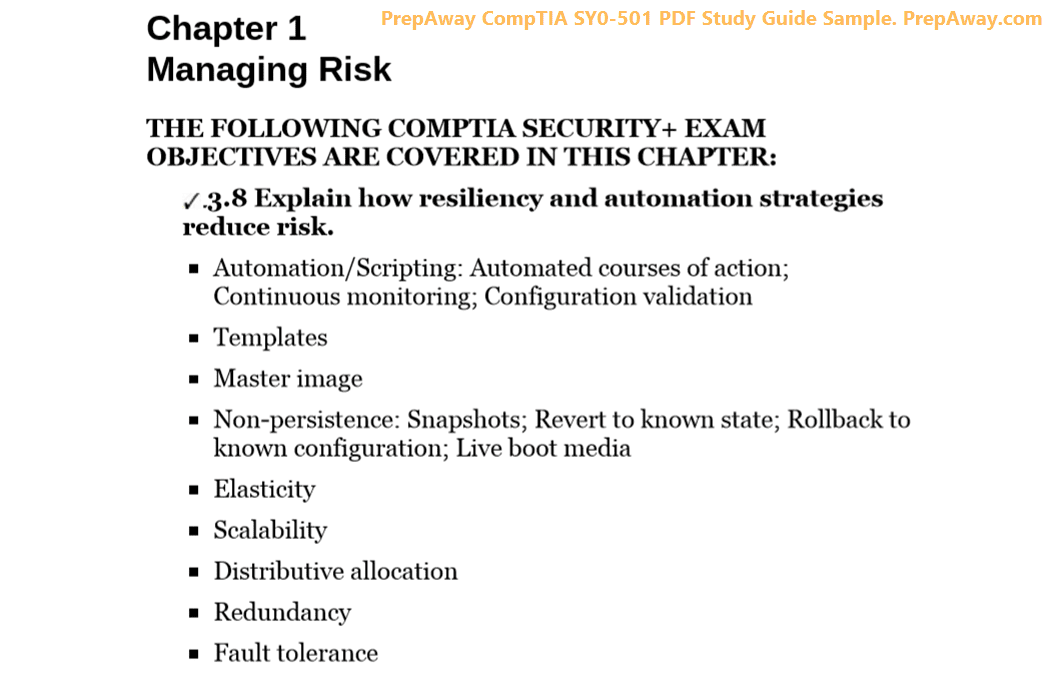
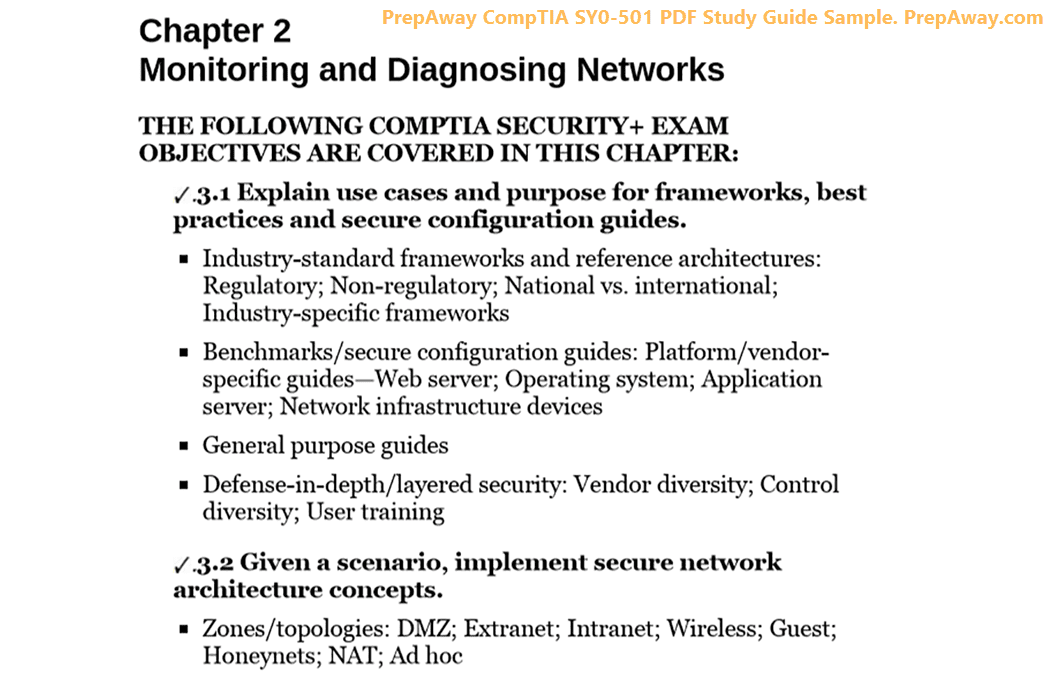
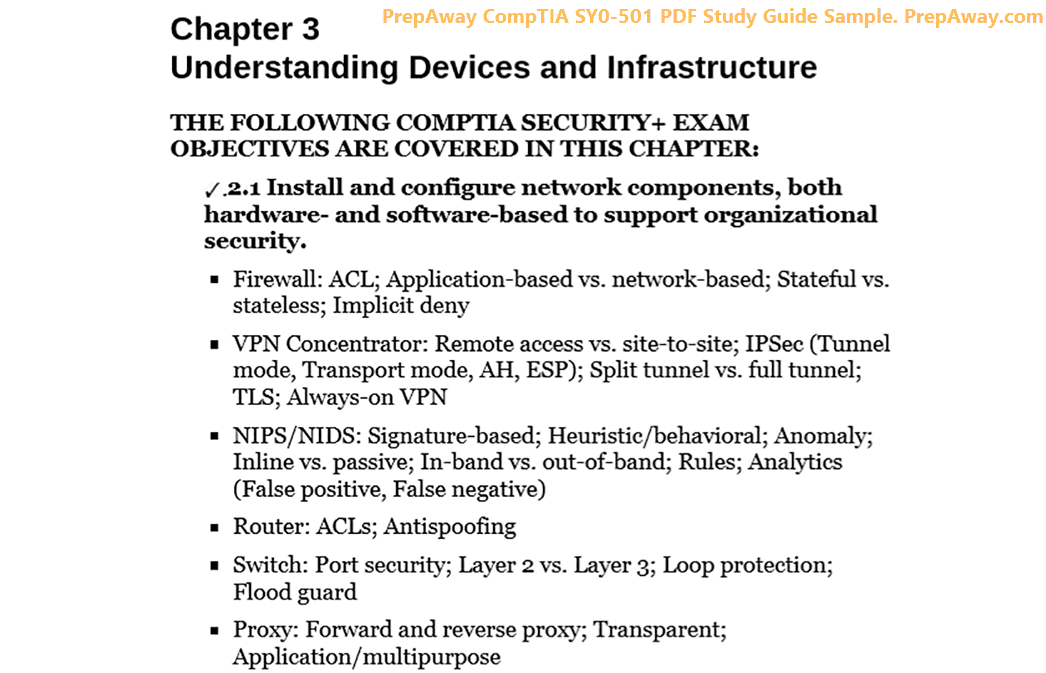
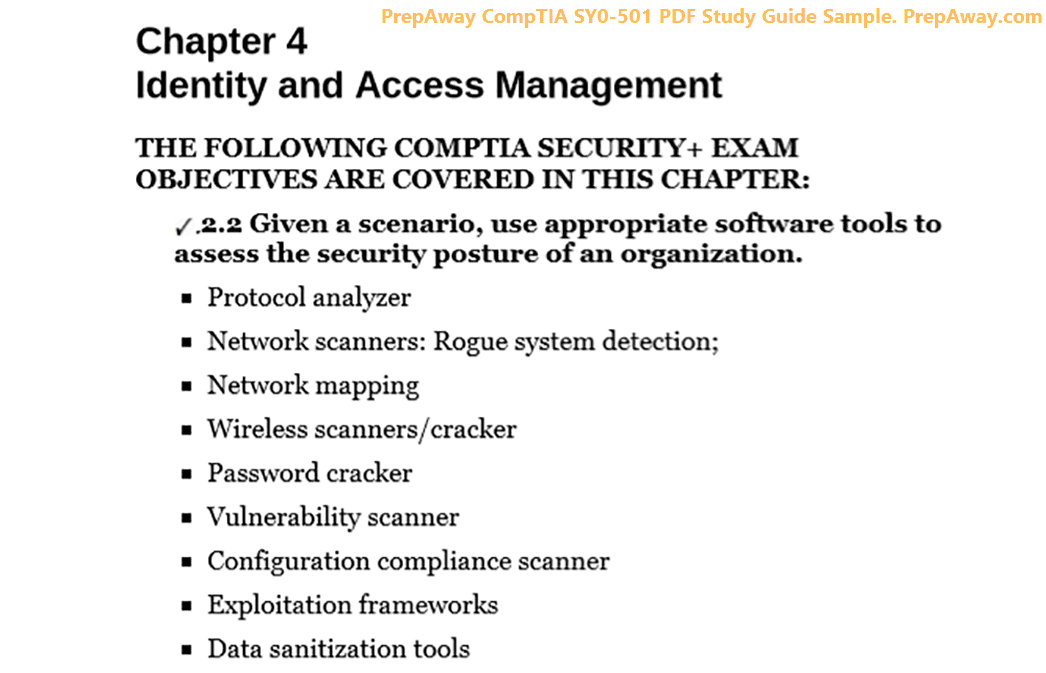
Last Week Results!
 83% students found the test questions almost same

Includes question types found on the actual exam such as drag and drop, simulation, type-in and fill-in-the-blank.

Developed by IT experts who have passed the exam in the past. Covers in-depth knowledge required for exam preparation.
All Microsoft MB-820 certification exam dumps, study guide, training courses are Prepared by industry experts. PrepAway's ETE files povide the MB-820 Microsoft Dynamics 365 Business Central Developer practice test questions and answers & exam dumps, study guide and training courses help you study and pass hassle-free!
MB-820 Business Central Developer: AL Extensions, APIs, Testing, and Lifecycle
MB-820, Microsoft Dynamics 365 Business Central Developer, remains a current exam as of October 3, 2026. Microsoft’s published June 10, 2025 blueprint describes a developer responsible for designing, developing, testing, troubleshooting, deploying, and maintaining Business Central extensions. The role uses AL, Visual Studio Code, extension objects, APIs, testing, telemetry, source control, and integration patterns.
Business Central development is intentionally extension based. The developer adds capabilities without modifying the base application directly, which protects upgradeability and keeps custom code more isolated from Microsoft’s continuous service updates. That design principle is more important than any single AL syntax rule because it affects the long-term cost of every customization.
MB-820 complements the current MB-800 functional consultant exam. Functional consultants define business requirements and configure the standard application; developers create extensions when requirements genuinely need code. Strong teams know where that boundary sits and revisit it before turning every process preference into custom software.
Business Central architecture separates the base application from extensions
Business Central includes platform, system, and application components that are updated by Microsoft. Extensions package custom objects and changes separately. Developers should understand dependencies, app manifests, object ranges, runtime versions, and the online-versus-on-premises differences that affect deployment and supported capabilities.
The extension model encourages event-driven design. Instead of changing Microsoft code, developers subscribe to published events or use supported extension objects. When the platform does not expose an appropriate hook, the right response may be to reconsider the requirement or request a supported extensibility point rather than using an unsupported shortcut.
AppSource introduces additional standards for extensions intended for broader distribution. Naming, permissions, upgrade behavior, dependencies, testing, and compatibility all become more important when an app must work across many tenants instead of one controlled implementation.
Visual Studio Code and AL provide the daily development environment
Business Central developers use the AL extension in Visual Studio Code to create projects, download symbols, write code, build packages, publish extensions, debug, and manage configuration. The app.json manifest defines important metadata such as application version, platform dependencies, and object ranges.
Debugging includes breakpoints, call stack inspection, variable analysis, and event debugging. Developers should be able to isolate whether unexpected behavior comes from their extension, another extension, base application logic, permissions, or data. Good debugging begins with a reproducible scenario and clear evidence.
Source control is part of the development environment, not an optional backup. Branching, pull requests, code review, and build automation make changes traceable and help teams coordinate work across extensions and release cycles.
Tables, pages, enums, and interfaces define the application model
Tables store business data, while table extensions add fields and behavior to existing structures. Pages present data through card, list, worksheet, document, role-center, and other page types. Page extensions can add fields and actions without copying the standard page.
Enums provide controlled sets of values and are generally preferable to older option patterns when extensibility is required. Interfaces can define contracts that multiple implementations follow, making behavior easier to extend without large conditional blocks.
Object design should preserve Business Central conventions. A custom field needs appropriate captions, data classification, permissions, validation, and upgrade handling. A developer who adds functionality without considering those surrounding concerns creates technical debt even if the immediate feature works.
Codeunits and events organize reusable business logic
Codeunits contain procedures and business logic that can be called from pages, tables, reports, background processes, APIs, and other objects. Separating logic from the user interface improves reuse and testing. Developers should avoid hiding important calculations inside page triggers simply because the action begins on a page.
Events are central to extension development. Publishers expose points in application behavior, and subscribers react without modifying the publisher. Event subscribers should remain focused because broad hidden side effects make troubleshooting difficult. Naming and documentation should make it clear what business behavior a subscriber adds.
Error handling also needs design. User errors should be understandable and occur before partial business state is created. Try methods and controlled transaction behavior can support recovery, but errors should not be swallowed in a way that leaves invalid data or silent failure.
Reports, queries, and XMLports support output and structured data exchange
Reports combine datasets, request pages, triggers, and layouts to create printable or exportable output. Developers may use Word, RDLC, or other supported layouts depending on document needs. Performance matters because a report that loops through large datasets inefficiently can create significant load.
Queries provide read-oriented datasets with joins, filters, grouping, and aggregation. They can be useful for reporting and analytics when a table-by-table approach would require excessive AL processing. Choosing the right data-access object reduces complexity.
XMLports support structured import and export scenarios. Although APIs are preferred for many modern integrations, XMLports remain useful for certain file-based or legacy exchanges. Developers should validate input and make failures visible rather than assuming external data is clean.
APIs and REST integrations connect Business Central with external systems
Business Central exposes standard APIs and allows developers to create custom API pages when a supported business contract is needed. API design should use stable identifiers, predictable schemas, appropriate keys, and controlled permissions. An API that mirrors internal tables too closely can expose implementation details and make future change difficult.
AL can also call external REST services by using HTTP classes and JSON handling. Outbound integrations need authentication, timeout handling, retry strategy, error logging, and protection of secrets. The happy-path response is only one part of a production integration.
Developers should also understand bound and unbound actions, OData behavior, and performance considerations. The aim is to create an integration contract that can survive application updates without requiring constant manual repair.
Permissions and entitlements must travel with custom functionality
An extension that adds tables, pages, reports, or actions also needs a security model. Permission set objects can grant read, insert, modify, delete, and execute rights, while entitlements and inherent permissions support controlled application behavior. Developers should not depend on SUPER permission during testing and assume production security will work later.
Least privilege makes troubleshooting easier as well as improving security. When permission errors occur, the team can reason about what capability the user actually needs. Broad access hides missing security design until the application reaches a more controlled environment.
Data classification is another development responsibility. Fields that contain personal or sensitive information should be identified correctly so administrators can manage privacy and compliance processes.
Testing, telemetry, and performance protect extensions after deployment
Business Central supports automated test codeunits and the Test Toolkit. Developers should create tests for important business logic, upgrades, integrations, and regressions. Tests are especially valuable for extensions because Microsoft updates can change the base application around custom code even when the custom code itself has not changed.
Telemetry exposes performance and operational signals that help teams understand failures, long-running code, extension behavior, and usage. Custom telemetry can make important business or integration events observable. Monitoring should be designed before go-live rather than added only after a production incident.
Performance work includes efficient record access, filters, keys, set-based operations where available, avoiding unnecessary database calls, and understanding locking. Optimization should be driven by measurement and realistic data volumes.
Upgrade code and lifecycle discipline make extensions sustainable
Extensions evolve. New versions may add fields, change structures, or require data transformation. Install and upgrade codeunits provide controlled lifecycle hooks so existing tenant data can be moved safely. Upgrade code should be repeatable, version aware, and tested against realistic copies of data.
Semantic versioning, dependency management, release notes, source control, CI/CD, automated testing, and staged deployment all reduce operational risk. A small extension can become business-critical over time, so professional lifecycle practices should begin early.
MB-820 Business Central development is best reinforced when candidates pair conceptual review with actual AL projects. Build a table extension, page extension, codeunit, API, report, permission set, test, and upgrade path so each objective has a concrete implementation.
MB-820 rewards developers who can extend Business Central without fighting the platform
A strong project begins with a functional requirement from the current Business Central Functional Consultant domain. The developer decides whether standard configuration can solve it, identifies the supported extension pattern, builds the minimum custom behavior, secures it, tests it, exposes it through an integration or interface if necessary, and plans monitoring and upgrade.
The broader Business Central developer career path depends on that balance between software skill and product discipline. AL syntax can be learned; the harder skill is creating extensions that behave like responsible parts of Business Central rather than separate applications bolted onto it.
Within Microsoft certifications, MB-820 remains the specialist developer credential for Business Central. Candidates who understand extension architecture, AL objects, APIs, testing, security, telemetry, and lifecycle management are preparing for both the exam and the practical responsibility of maintaining business-critical customizations.
Business Central developers should also understand background and asynchronous execution. Job queues, task scheduling, and background sessions can move long-running work out of interactive pages, but they create new concerns around retries, concurrency, error visibility, and user expectations. Code that assumes an interactive user context may behave differently when executed automatically.
Upgrade-safe development also means avoiding dependencies on implementation details that Microsoft has not committed to preserve. Developers should prefer public methods, events, interfaces, and documented APIs. When an extension depends on internal behavior, the team should understand the risk and test aggressively during preview and update cycles.
Career progression can move from the functional Business Central consultant domain into development, or in the opposite direction from software engineering into product specialization. In both cases, the strongest MB-820 developers understand the business meaning of the data they manipulate. A technically correct extension can still be wrong if it breaks posting, approval, inventory, or audit expectations.
Because MB-820 is also one of the current associate credentials accepted in Microsoft’s newer expert architecture landscape, developers may eventually broaden from extension implementation into solution design. That progression makes security, integration, lifecycle, and maintainability skills especially important: they are the same concerns that become architectural constraints at larger scale.
Microsoft MB-820 practice test questions and answers, training course, study guide are uploaded in ETE Files format by real users. Study and Pass MB-820 Microsoft Dynamics 365 Business Central Developer certification exam dumps & practice test questions and answers are to help students.
- AZ-104 - Microsoft Azure Administrator
- AI-103 - Developing AI Apps and Agents on Azure
- AB-100 - Agentic AI Business Solutions Architect
- AI-901 - Microsoft Azure AI Fundamentals
- SC-500 - Implementing End-to-End Security Controls for Cloud and AI Workloads
- DP-700 - Implementing Data Engineering Solutions Using Microsoft Fabric
- SC-300 - Microsoft Identity and Access Administrator
- AZ-305 - Designing Microsoft Azure Infrastructure Solutions
- GH-300 - GitHub Copilot
- MD-102 - Endpoint Administrator
- AB-620 - Designing and Building Integrated AI Agent Solutions in Copilot Studio
- AB-900 - Microsoft 365 Copilot and Agent Administration Fundamentals
- SC-401 - Administering Information Security in Microsoft 365
- PL-300 - Microsoft Power BI Data Analyst
- SC-200 - Microsoft Security Operations Analyst
- AZ-900 - Microsoft Azure Fundamentals
- MS-102 - Microsoft 365 Administrator
- DP-600 - Implementing Analytics Solutions Using Microsoft Fabric
- SC-100 - Microsoft Cybersecurity Architect
- AI-200 - Developing AI Cloud Solutions on Azure
- DP-800 - Developing AI-Enabled Database Solutions
- AB-731 - AI Transformation Leader
- AZ-700 - Designing and Implementing Microsoft Azure Networking Solutions
- AB-730 - AI Business Professional
- AB-410 - Building Intelligent Applications
- AZ-400 - Designing and Implementing Microsoft DevOps Solutions
- SC-900 - Microsoft Security, Compliance, and Identity Fundamentals
- DP-750 - Implementing Data Engineering Solutions Using Azure Databricks
- AZ-801 - Configuring Windows Server Hybrid Advanced Services
- PL-400 - Microsoft Power Platform Developer
- DP-300 - Administering Microsoft Azure SQL Solutions
- AZ-140 - Configuring and Operating Microsoft Azure Virtual Desktop
- AI-300 - Operationalizing Machine Learning and Generative AI Solutions
- MS-700 - Managing Microsoft Teams
- PL-900 - Microsoft Power Platform Fundamentals
- AZ-802 - Administering Windows Server
- AZ-500 - Microsoft Azure Security Technologies
- MB-800 - Microsoft Dynamics 365 Business Central Functional Consultant
- DP-900 - Microsoft Azure Data Fundamentals
- GH-600 - Developing in Agentic AI Systems
- AZ-800 - Administering Windows Server Hybrid Core Infrastructure
- AB-650 - Administering Microsoft 365 and AI Services
- MB-330 - Microsoft Dynamics 365 Supply Chain Management
- MB-310 - Microsoft Dynamics 365 Finance Functional Consultant
- PL-200 - Microsoft Power Platform Functional Consultant
- MB-820 - Microsoft Dynamics 365 Business Central Developer
- AI-500 - Designing and Implementing Multi-Agent AI Solutions
- MB-230 - Microsoft Dynamics 365 Customer Service Functional Consultant
- GH-900 - GitHub Foundations
- GH-200 - GitHub Actions
- AB-250 - Transforming Contact Center Experiences with AI in Dynamics 365
- AB-210 - Accelerating Sales Pipelines with AI in Dynamics 365
- AI-900 - Microsoft Azure AI Fundamentals
- MS-721 - Collaboration Communications Systems Engineer
- GH-100 - GitHub Administration
- MB-500 - Microsoft Dynamics 365: Finance and Operations Apps Developer
- AZ-120 - Planning and Administering Microsoft Azure for SAP Workloads
- SC-400 - Microsoft Information Protection Administrator
- DP-420 - Designing and Implementing Cloud-Native Applications Using Microsoft Azure Cosmos DB
- GH-500 - GitHub Advanced Security
- AI-102 - Designing and Implementing a Microsoft Azure AI Solution
- MS-900 - Microsoft 365 Fundamentals
- AZ-204 - Developing Solutions for Microsoft Azure
- MB-700 - Microsoft Dynamics 365: Finance and Operations Apps Solution Architect
- MB-280 - Microsoft Dynamics 365 Customer Experience Analyst
- PL-600 - Microsoft Power Platform Solution Architect
Purchase Microsoft MB-820 Exam Training Products Individually
Why customers love us?
What do our customers say?
The resources provided for the Microsoft certification exam were exceptional. The exam dumps and video courses offered clear and concise explanations of each topic. I felt thoroughly prepared for the MB-820 test and passed with ease.
Studying for the Microsoft certification exam was a breeze with the comprehensive materials from this site. The detailed study guides and accurate exam dumps helped me understand every concept. I aced the MB-820 exam on my first try!
I was impressed with the quality of the MB-820 preparation materials for the Microsoft certification exam. The video courses were engaging, and the study guides covered all the essential topics. These resources made a significant difference in my study routine and overall performance. I went into the exam feeling confident and well-prepared.
The MB-820 materials for the Microsoft certification exam were invaluable. They provided detailed, concise explanations for each topic, helping me grasp the entire syllabus. After studying with these resources, I was able to tackle the final test questions confidently and successfully.
Thanks to the comprehensive study guides and video courses, I aced the MB-820 exam. The exam dumps were spot on and helped me understand the types of questions to expect. The certification exam was much less intimidating thanks to their excellent prep materials. So, I highly recommend their services for anyone preparing for this certification exam.
Achieving my Microsoft certification was a seamless experience. The detailed study guide and practice questions ensured I was fully prepared for MB-820. The customer support was responsive and helpful throughout my journey. Highly recommend their services for anyone preparing for their certification test.
I couldn't be happier with my certification results! The study materials were comprehensive and easy to understand, making my preparation for the MB-820 stress-free. Using these resources, I was able to pass my exam on the first attempt. They are a must-have for anyone serious about advancing their career.
The practice exams were incredibly helpful in familiarizing me with the actual test format. I felt confident and well-prepared going into my MB-820 certification exam. The support and guidance provided were top-notch. I couldn't have obtained my Microsoft certification without these amazing tools!
The materials provided for the MB-820 were comprehensive and very well-structured. The practice tests were particularly useful in building my confidence and understanding the exam format. After using these materials, I felt well-prepared and was able to solve all the questions on the final test with ease. Passing the certification exam was a huge relief! I feel much more competent in my role. Thank you!
The certification prep was excellent. The content was up-to-date and aligned perfectly with the exam requirements. I appreciated the clear explanations and real-world examples that made complex topics easier to grasp. I passed MB-820 successfully. It was a game-changer for my career in IT!


