Pass Microsoft GitHub Actions Certification Exam in First Attempt Guaranteed!
Get 100% Latest Exam Questions, Accurate & Verified Answers to Pass the Actual Exam!
30 Days Free Updates, Instant Download!


GH-200 Premium ETE File
- Premium File 124 Questions & Answers. Last update: Sep 22, 2026
Whats Included:
- Latest Questions
- 100% Accurate Answers
- Fast Exam Updates
GH-200 Premium Bundle
Purchase Individually
Premium File
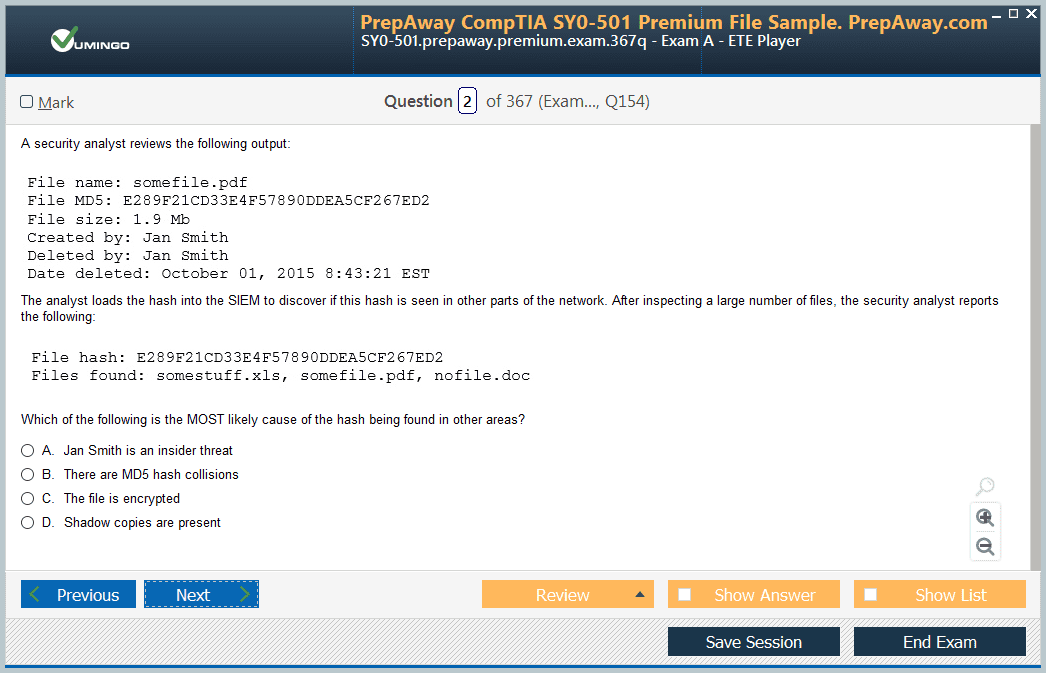
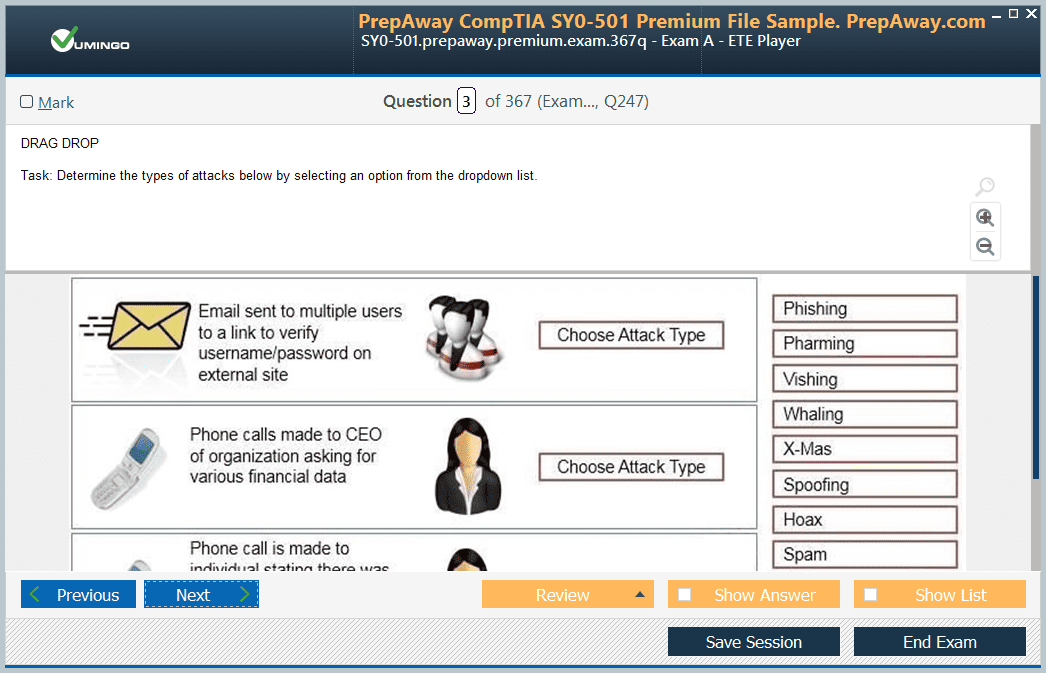
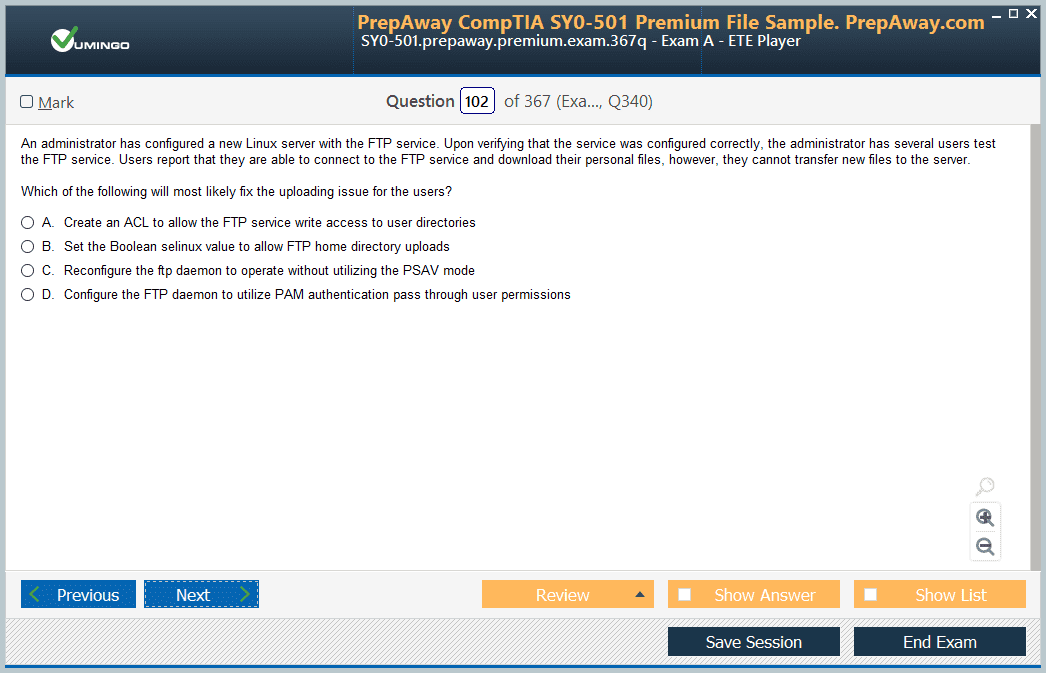
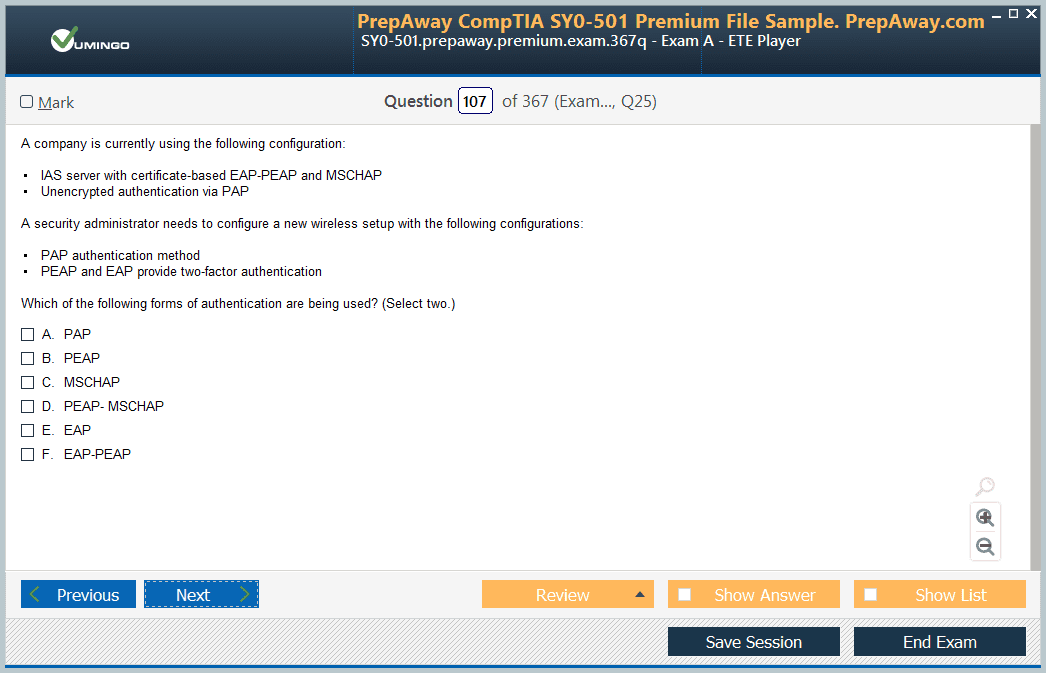
GH-200 Exam - GitHub Actions
| Download Free GH-200 Exam Questions |
|---|
Microsoft GitHub Actions Certification Practice Test Questions and Answers, Microsoft GitHub Actions Certification Exam Dumps
All Microsoft GitHub Actions certification exam dumps, study guide, training courses are prepared by industry experts. Microsoft GitHub Actions certification practice test questions and answers, exam dumps, study guide and training courses help candidates to study and pass hassle-free!
GitHub Actions GH-200 in 2026: Current Certification for CI/CD Automation and Secure Workflows
The GitHub Actions certification validates intermediate skill in automating software-development workflows with GitHub Actions. The current exam is GH-200, delivered as a proctored certification exam. Microsoft Learn currently gives candidates 100 minutes and lists five assessed areas: author and manage workflows, consume and troubleshoot workflows, author and maintain actions, manage GitHub Actions for the enterprise, and secure and optimize automation.
Use the approved PrepAway GitHub Actions exam destination for practice after reviewing the current GH-200 study guide. The wider GitHub certifications portfolio also includes Foundations, Advanced Security, Administration, and GitHub Copilot. Actions is the automation-focused credential and should be studied with real repositories, not as YAML syntax memorization.
Workflows Start With Events, Jobs, Steps, and Runners
Understand how events trigger workflows, how jobs run independently or depend on one another, how steps execute commands or actions, and how runners provide the execution environment. Build workflows manually rather than relying entirely on templates.
Practise push, pull-request, schedule, workflow_dispatch, and reusable workflow patterns. Then inspect the event payload and context so you understand why a condition matched or a job received a particular value.
YAML Should Express Intent Clearly
Workflow files are configuration-as-code. Use readable names, small jobs, explicit permissions, comments where needed, and reusable components. Avoid oversized files where every repository repeats the same deployment logic.
Validate indentation and expression syntax before assuming a failing workflow has an application problem. A simple configuration error can prevent any runner from starting.
Artifacts, Caches, and Dependencies Solve Different Problems
Artifacts preserve files from a workflow run for later jobs or download, while caches speed repeated dependency or build reuse. Understand retention, cache keys, restore behavior, and security implications.
Do not cache sensitive material or rely on a cache as the authoritative build output. Design the workflow so a clean run can reproduce the result without hidden state.
Reusable Workflows and Custom Actions Reduce Duplication
GH-200 expects candidates to understand how reusable workflows, marketplace actions, JavaScript actions, Docker actions, and composite actions fit different automation needs. Reuse should improve maintainability without hiding critical behavior.
Pin third-party actions appropriately and review their source, permissions, and release practices before using them in sensitive pipelines. Reuse can reduce code, but it also adds supply-chain dependencies.
Secrets and Permissions Are Part of Workflow Design
Use GitHub secrets, environments, OpenID Connect where supported, and least-privilege GITHUB_TOKEN permissions. A CI/CD pipeline often holds deployment capability, package credentials, or cloud access, so workflow compromise can become production compromise.
Avoid printing secrets, accepting untrusted pull-request data into privileged steps, or granting write permissions to jobs that only need read access. Secure automation begins with understanding which event can trigger which privilege.
Enterprise Management Requires Policy and Scale
Organizations and enterprises need runner strategy, action policies, reusable workflow governance, retention, permissions, and observability across many repositories. Standardization should make secure workflows easier to adopt without blocking teams unnecessarily.
Build a small organization-level example with one reusable workflow and two consuming repositories. Observe which settings are inherited and where repository administrators can override behavior.
Troubleshooting Should Follow the Execution Path
When a workflow fails, identify whether the problem is trigger, expression, permissions, checkout, dependency, runner, action, script, service, network, artifact, or deployment target. Read the logs from the first failing step rather than the last visible error.
Enable debug logging carefully when needed and reproduce failures on a smaller job. The broader PrepAway discussion of DevOps operations can help connect workflow troubleshooting with the wider delivery lifecycle.
Optimization Means Reliability, Security, and Cost
Parallel jobs, matrices, caching, concurrency, cancellation, runner choice, and conditional execution can improve speed and efficiency. Optimization should preserve determinism and evidence. A pipeline that is fast but flaky costs more engineering time than it saves.
Measure duration and failure rate before changing the workflow. If one long integration test dominates runtime, split it deliberately instead of optimizing unrelated steps.
GitHub Copilot can assist developers with code, prompts, explanations, tests, and workflow authoring, but it does not replace understanding Actions security or execution. Generated YAML must still be reviewed for permissions, events, secrets, and supply-chain risk.
The PrepAway article on AI coding tools provides broader context. Use AI to accelerate drafting and analysis, then validate the resulting automation in a controlled repository.
Matrix strategies should be practised with realistic variation such as operating systems, language versions, or dependency versions. Then add fail-fast, include/exclude, and job dependency decisions. Matrices are powerful, but careless expansion can multiply minutes and cost without increasing useful coverage.
Environments provide a useful boundary for deployments. Practise environment-specific secrets, protection rules, approvals, and deployment history. A production deployment should have stronger controls than a pull-request test, and the workflow should express that difference explicitly.
Self-hosted runners require additional security thinking. They may persist state, reach internal systems, and run untrusted code if event controls are weak. Segment them, patch them, restrict which repositories can use them, and avoid exposing sensitive infrastructure to arbitrary forked pull requests.
Reusable workflows and organization standards should still leave room for repository-specific needs. Define inputs and outputs clearly, version shared workflows, and avoid hidden behavior that surprises consumers. A reusable deployment workflow becomes an internal platform product and should be maintained accordingly.
Supply-chain security includes actions, packages, build tools, and generated artifacts. Pin trusted actions, review dependencies, use provenance or signing capabilities where appropriate, and limit write tokens. CI is attractive to attackers because compromising one workflow can affect many releases.
Observability should extend beyond red or green status. Capture test reports, artifacts, deployment records, duration, failure trends, and relevant logs. When a pipeline is intermittently failing, historical evidence can reveal runner saturation, flaky tests, external-service failures, or concurrency issues.
For final preparation, build one repository that runs linting, unit tests, a matrix, artifact creation, reusable workflows, an environment-protected deployment, and least-privilege tokens. Deliberately break a secret, expression, runner, and third-party action reference and diagnose each from logs.
Workflow expressions and contexts should be practised directly. Learn when values come from github, env, vars, secrets, needs, matrix, steps, or inputs, and understand that unavailable context can produce empty or unexpected behavior. Print only nonsensitive values while debugging.
Concurrency controls can protect environments from overlapping deployments or duplicate expensive jobs. Create a test workflow that cancels stale runs for a branch while preserving production deployments when that behavior is safer. Optimization is about matching execution policy to the business risk.
Artifact provenance and release automation should be separated from untrusted pull-request execution. Build and test contributions with minimal privilege, then perform release or deployment work from trusted branches or approved environments. This reduces the chance that contributed code can steal secrets or modify production.
Before scheduling GH-200, use the current Microsoft Learn practice assessment and study guide, then compare weak areas with GitHub Docs. The January 2026 objective revision was significant, so older certification courses may underrepresent enterprise management and security topics.
Repository permissions and branch protection should be considered alongside workflow permissions. A secure workflow can still deploy unreviewed code if repository rules allow unsafe merges, while strong branch protection can be undermined by an overprivileged workflow token. Treat repository governance and automation as one system.
Use the final week to revisit failures rather than only successful workflows. Re-run broken examples, explain why they failed, and document the evidence that identified the cause. Troubleshooting skill is one of the best signals that your Actions knowledge is operational.
GitHub’s certification program is also moving toward Microsoft’s recertification process, so check the live credential page for current maintenance rules after you pass. The practical priority remains the same: keep working with Actions as GitHub adds runner, security, and workflow capabilities between certification cycles.
Actions administration should include retention and cleanup. Workflow logs, artifacts, caches, packages, and self-hosted runner workspaces can accumulate cost or sensitive data. Define retention according to troubleshooting and compliance needs and remove stale automation resources rather than allowing pipelines to grow without ownership.
For final review, inspect several existing workflows you did not write. Explain their triggers, permissions, dependencies, reusable components, secrets, environments, and likely failure points. Reading unfamiliar automation is an important real-world skill and a strong test of GH-200 readiness.
Keep the final practice focused on current GH-200 security and enterprise-management objectives, not only basic workflow syntax.
Review GitHub’s current exam page immediately before booking so pricing, language availability, and recertification guidance are current.
Final Readiness Check
- Use the current GH-200 study guide and January/August 2026 objectives.
- Build real workflows with events, jobs, conditions, runners, artifacts, caches, environments, and reusable components.
- Practise least-privilege permissions, secrets, OIDC, and action-supply-chain controls.
- Troubleshoot from event through runner to deployment target.
- Use GitHub Copilot as an assistant, not as a substitute for reviewing workflow security and behavior.
GitHub Actions certification is most useful when it proves you can turn delivery intent into reliable automation. A strong candidate can explain why a workflow ran, what privilege it had, what state it produced, how to diagnose failure, and how to reuse automation safely across repositories.
GitHub Actions certification practice test questions and answers, training course, study guide are uploaded in ETE files format by real users. Study and pass Microsoft GitHub Actions certification exam dumps & practice test questions and answers are the best available resource to help students pass at the first attempt.