
- Home
- HP Certifications
- HPE7-A08 HPE Network Switching Professional Dumps
Pass HP HPE7-A08 Exam in First Attempt Guaranteed!
Get 100% Latest Exam Questions, Accurate & Verified Answers to Pass the Actual Exam!
30 Days Free Updates, Instant Download!


HPE7-A08 Premium Bundle
- Premium File 172 Questions & Answers. Last update: Nov 10, 2026
- Study Guide 794 Pages




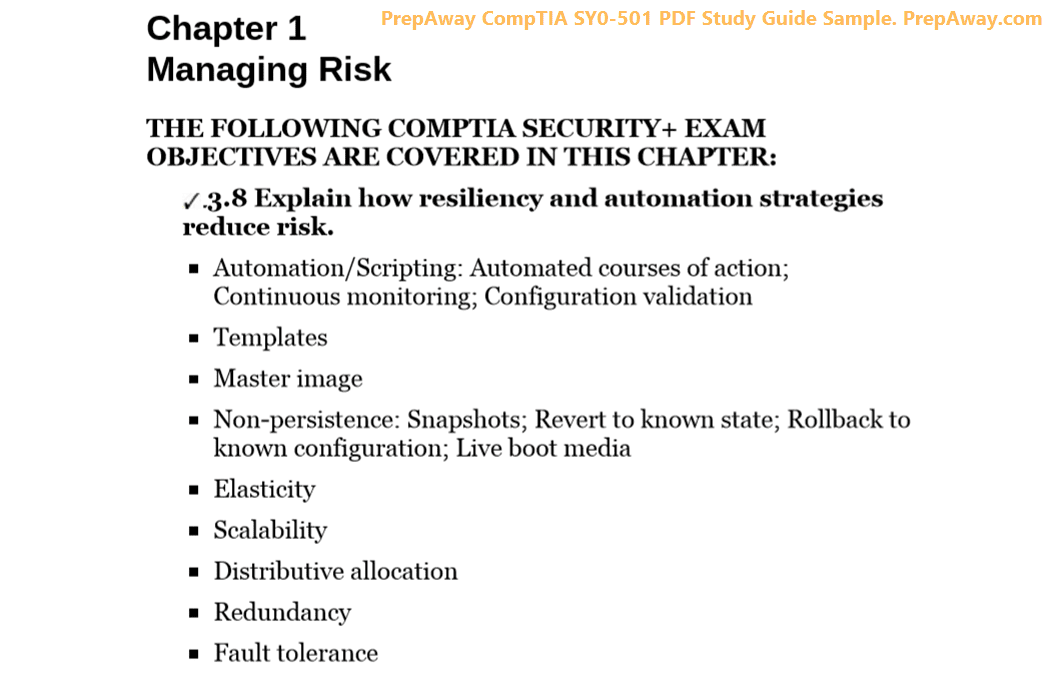
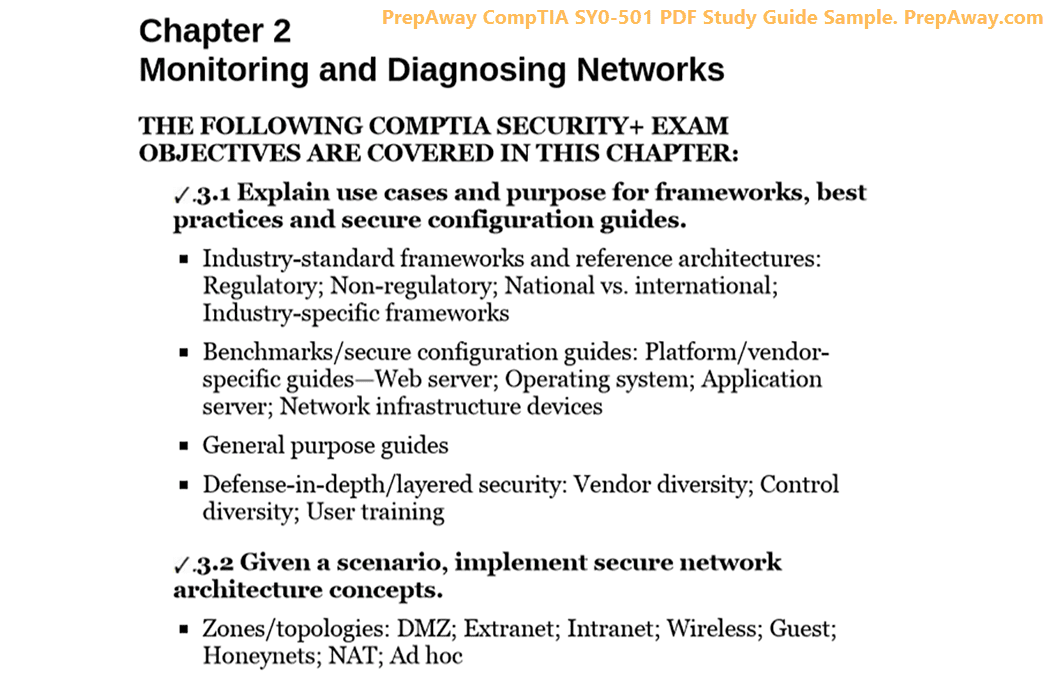
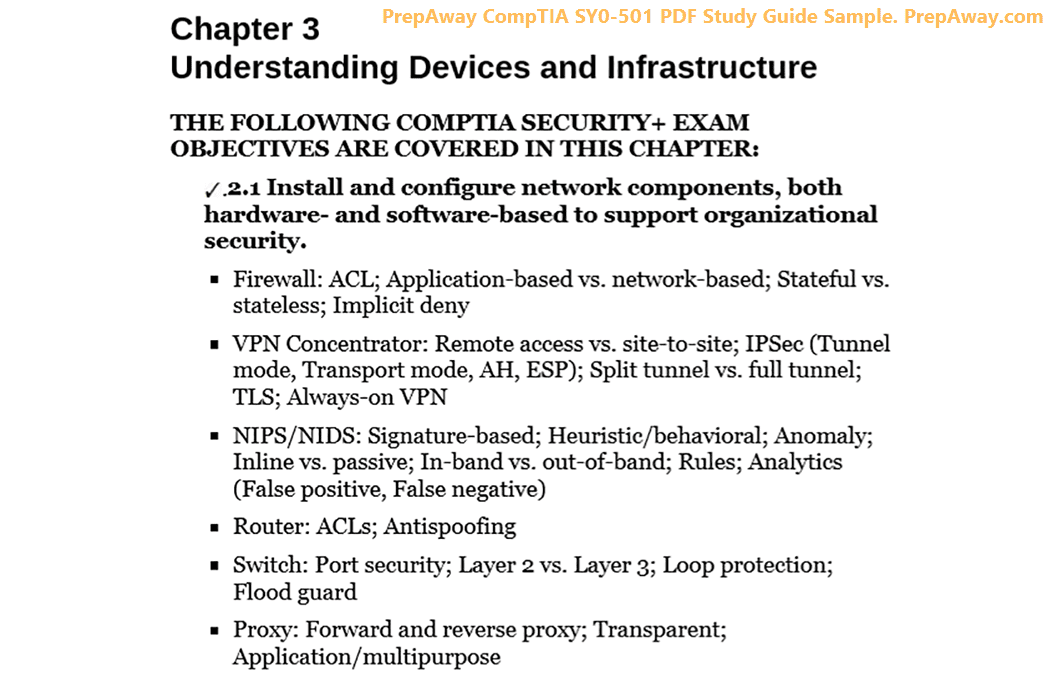
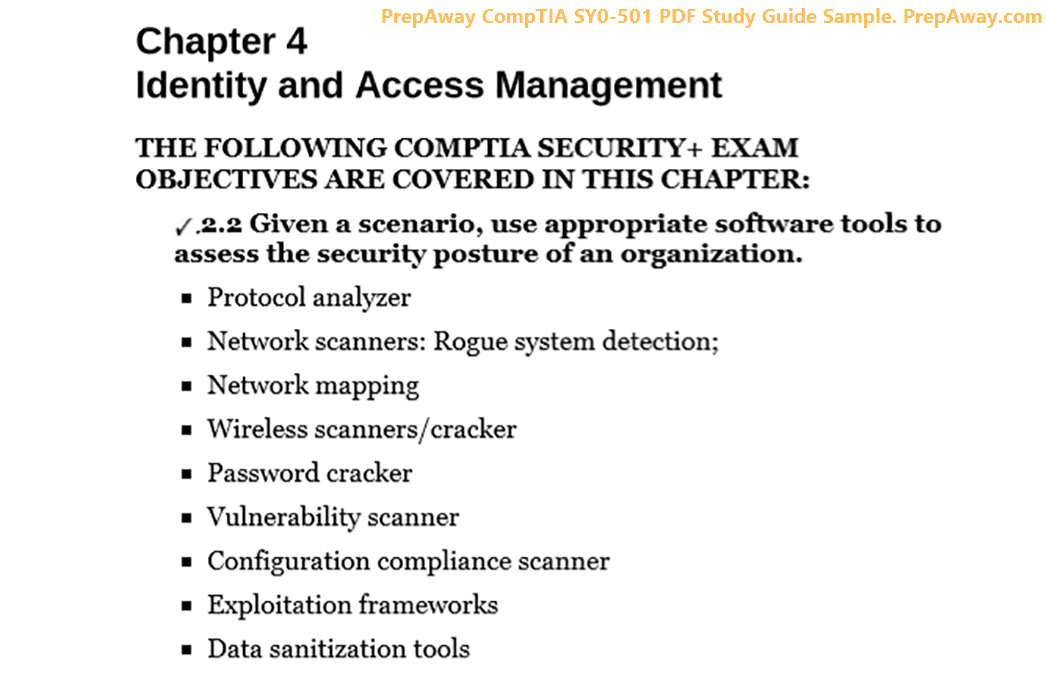
Last Week Results!
 83.4% students found the test questions almost same

Includes question types found on the actual exam such as drag and drop, simulation, type-in and fill-in-the-blank.

Developed by IT experts who have passed the exam in the past. Covers in-depth knowledge required for exam preparation.
- HP HPE7-A08 Practice Test 1 - Questions (Last Reviewed 11-Nov-2026)
- HP HPE7-A08 Practice Test 2 - Questions (Last Reviewed 10-Nov-2026)
- HP HPE7-A08 Practice Test 3 - Questions (Last Reviewed 09-Nov-2026)
- HP HPE7-A08 Practice Test 4 - Questions (Last Reviewed 08-Nov-2026)
- HP HPE7-A08 Practice Test 5 - Questions (Last Reviewed 07-Nov-2026)
- HP HPE7-A08 Practice Test 6 - Questions (Last Reviewed 06-Nov-2026)
- HP HPE7-A08 Practice Test 7 - Questions (Last Reviewed 05-Nov-2026)
- HP HPE7-A08 Practice Test 8 - Questions (Last Reviewed 04-Nov-2026)
- HP HPE7-A08 Practice Test 9 - Questions (Last Reviewed 03-Nov-2026)
- HP HPE7-A08 Practice Test 10 - Questions (Last Reviewed 02-Nov-2026)
- HP HPE7-A08 Practice Test 11 - Questions (Last Reviewed 01-Nov-2026)
- HP HPE7-A08 Practice Test 12 - Questions (Last Reviewed 31-Oct-2026)
- HP HPE7-A08 Practice Test 13 - Questions (Last Reviewed 30-Oct-2026)
- HP HPE7-A08 Practice Test 14 - Questions (Last Reviewed 29-Oct-2026)
- HP HPE7-A08 Practice Test 15 - Questions (Last Reviewed 28-Oct-2026)
- HP HPE7-A08 Practice Test 16 - Questions (Last Reviewed 27-Oct-2026)
- HP HPE7-A08 Practice Test 17 - Questions (Last Reviewed 26-Oct-2026)
- HP HPE7-A08 Practice Test 18 - Questions (Last Reviewed 25-Oct-2026)
- HP HPE7-A08 Practice Test 19 - Questions (Last Reviewed 24-Oct-2026)
- HP HPE7-A08 Practice Test 20 - Questions (Last Reviewed 23-Oct-2026)
- HP HPE7-A08 Practice Test 21 - Questions (Last Reviewed 22-Oct-2026)
- HP HPE7-A08 Practice Test 22 - Questions (Last Reviewed 21-Oct-2026)
- HP HPE7-A08 Practice Test 23 - Questions (Last Reviewed 20-Oct-2026)
- HP HPE7-A08 Practice Test 24 - Questions (Last Reviewed 19-Oct-2026)
- HP HPE7-A08 Practice Test 25 - Questions (Last Reviewed 18-Oct-2026)
- HP HPE7-A08 Practice Test 26 - Questions (Last Reviewed 17-Oct-2026)
- HP HPE7-A08 Practice Test 27 - Questions (Last Reviewed 16-Oct-2026)
- HP HPE7-A08 Practice Test 28 - Questions (Last Reviewed 15-Oct-2026)
- HP HPE7-A08 Practice Test 29 - Questions (Last Reviewed 14-Oct-2026)
- HP HPE7-A08 Practice Test 30 - Questions (Last Reviewed 13-Oct-2026)
- HP HPE7-A08 Practice Test 31 - Questions (Last Reviewed 12-Oct-2026)
- HP HPE7-A08 Practice Test 32 - Questions (Last Reviewed 11-Oct-2026)
- HP HPE7-A08 Practice Test 33 - Questions (Last Reviewed 10-Oct-2026)
- HP HPE7-A08 Practice Test 34 - Questions (Last Reviewed 09-Oct-2026)
- HP HPE7-A08 Practice Test 35 - Questions (Last Reviewed 08-Oct-2026)
- HP HPE7-A08 Practice Test 36 - Questions (Last Reviewed 07-Oct-2026)
- HP HPE7-A08 Practice Test 37 - Questions (Last Reviewed 06-Oct-2026)
- HP HPE7-A08 Practice Test 38 - Questions (Last Reviewed 05-Oct-2026)
- HP HPE7-A08 Practice Test 39 - Questions (Last Reviewed 04-Oct-2026)
- HP HPE7-A08 Practice Test 40 - Questions (Last Reviewed 03-Oct-2026)
- HP HPE7-A08 Practice Test 41 - Questions (Last Reviewed 02-Oct-2026)
- HP HPE7-A08 Practice Test 42 - Questions (Last Reviewed 01-Oct-2026)
- HP HPE7-A08 Practice Test 43 - Questions (Last Reviewed 30-Sep-2026)
- HP HPE7-A08 Practice Test 44 - Questions (Last Reviewed 29-Sep-2026)
- HP HPE7-A08 Practice Test 45 - Questions (Last Reviewed 28-Sep-2026)
- HP HPE7-A08 Practice Test 46 - Questions (Last Reviewed 27-Sep-2026)
- HP HPE7-A08 Practice Test 47 - Questions (Last Reviewed 26-Sep-2026)
- HP HPE7-A08 Practice Test 48 - Questions (Last Reviewed 25-Sep-2026)
- HP HPE7-A08 Practice Test 49 - Questions (Last Reviewed 24-Sep-2026)
- HP HPE7-A08 Practice Test 50 - Questions (Last Reviewed 23-Sep-2026)
- HP HPE7-A08 Practice Test 51 - Questions (Last Reviewed 22-Sep-2026)
- HP HPE7-A08 Practice Test 52 - Questions (Last Reviewed 21-Sep-2026)
- HP HPE7-A08 Practice Test 53 - Questions (Last Reviewed 20-Sep-2026)
- HP HPE7-A08 Practice Test 54 - Questions (Last Reviewed 19-Sep-2026)
- HP HPE7-A08 Practice Test 55 - Questions (Last Reviewed 18-Sep-2026)
- HP HPE7-A08 Practice Test 56 - Questions (Last Reviewed 17-Sep-2026)
- HP HPE7-A08 Practice Test 57 - Questions (Last Reviewed 12-Nov-2026)
- HP HPE7-A08 Practice Test 58 - Questions (Last Reviewed 11-Nov-2026)
- HP HPE7-A08 Practice Test 59 - Questions (Last Reviewed 10-Nov-2026)
- HP HPE7-A08 Practice Test 60 - Questions (Last Reviewed 09-Nov-2026)
- HP HPE7-A08 Practice Test 61 - Questions (Last Reviewed 08-Nov-2026)
- HP HPE7-A08 Practice Test 62 - Questions (Last Reviewed 07-Nov-2026)
- HP HPE7-A08 Practice Test 63 - Questions (Last Reviewed 06-Nov-2026)
- HP HPE7-A08 Practice Test 64 - Questions (Last Reviewed 05-Nov-2026)
- HP HPE7-A08 Practice Test 65 - Questions (Last Reviewed 04-Nov-2026)
- HP HPE7-A08 Practice Test 66 - Questions (Last Reviewed 03-Nov-2026)
- HP HPE7-A08 Practice Test 67 - Questions (Last Reviewed 02-Nov-2026)
- HP HPE7-A08 Practice Test 68 - Questions (Last Reviewed 01-Nov-2026)
- HP HPE7-A08 Practice Test 69 - Questions (Last Reviewed 31-Oct-2026)
- HP HPE7-A08 Practice Test 70 - Questions (Last Reviewed 30-Oct-2026)
- HP HPE7-A08 Practice Test 71 - Questions (Last Reviewed 29-Oct-2026)
- HP HPE7-A08 Practice Test 72 - Questions (Last Reviewed 28-Oct-2026)
- HP HPE7-A08 Practice Test 73 - Questions (Last Reviewed 27-Oct-2026)
- HP HPE7-A08 Practice Test 74 - Questions (Last Reviewed 26-Oct-2026)
- HP HPE7-A08 Practice Test 75 - Questions (Last Reviewed 25-Oct-2026)
- HP HPE7-A08 Practice Test 76 - Questions (Last Reviewed 24-Oct-2026)
- HP HPE7-A08 Practice Test 77 - Questions (Last Reviewed 23-Oct-2026)
- HP HPE7-A08 Practice Test 78 - Questions (Last Reviewed 22-Oct-2026)
- HP HPE7-A08 Practice Test 79 - Questions (Last Reviewed 21-Oct-2026)
- HP HPE7-A08 Practice Test 80 - Questions (Last Reviewed 20-Oct-2026)
- HP HPE7-A08 Practice Test 81 - Questions (Last Reviewed 19-Oct-2026)
- HP HPE7-A08 Practice Test 82 - Questions (Last Reviewed 18-Oct-2026)
- HP HPE7-A08 Practice Test 83 - Questions (Last Reviewed 17-Oct-2026)
- HP HPE7-A08 Practice Test 84 - Questions (Last Reviewed 16-Oct-2026)
- HP HPE7-A08 Practice Test 85 - Questions (Last Reviewed 15-Oct-2026)
- HP HPE7-A08 Practice Test 86 - Questions (Last Reviewed 14-Oct-2026)
- HP HPE7-A08 Practice Test 87 - Questions (Last Reviewed 13-Oct-2026)
- HP HPE7-A08 Practice Test 88 - Questions (Last Reviewed 12-Oct-2026)
- HP HPE7-A08 Practice Test 89 - Questions (Last Reviewed 11-Oct-2026)
- HP HPE7-A08 Practice Test 90 - Questions (Last Reviewed 10-Oct-2026)
HPE7-A08 Switching Professional: Implementing Resilient AOS-CX Networks
HPE7-A08 is the current HPE Network Switching Professional exam for engineers who need to implement and operate enterprise switching rather than merely recognize commands. HPE positions the credential above associate-level switching, so the exam assumes that VLANs, routing fundamentals, interface configuration, and ordinary switch administration are already familiar. The harder work is deciding how those mechanisms should be combined when a campus has redundancy requirements, multiple traffic classes, role-based access, operational constraints, and failure conditions that do not fit a single lab recipe.
That professional-level distinction matters when planning preparation. An engineer coming from HPE6-A86 switching fundamentals should not spend most study time memorizing isolated AOS-CX syntax. The useful progression is from configuration to intent: understand why a topology uses a particular layer-2 boundary, where layer-3 gateways belong, how a failure should reconverge, what policy should follow a user or device, and which state information proves that the network is behaving as designed.
HPE7-A08 also sits inside the broader HPE Aruba Networking Professional Switching track. That makes it a practical bridge between associate switching and expert-level wired design and troubleshooting, while still overlapping with campus access, centralized operations, identity policy, and the day-to-day reality of mixed wired and wireless networks.
Professional switching begins with boundaries, not commands
Enterprise switching problems are usually boundary problems. A design must decide where broadcast domains end, where routing begins, which devices provide default gateways, and how traffic is separated without creating unnecessary operational complexity. VLANs are part of the answer, but they are useful only when they reflect actual application, user, device, or security requirements. Creating many VLANs without a clear control model can make troubleshooting harder and increase the number of places where configuration drift can occur.
At professional level, inter-VLAN routing must be understood in terms of traffic flow and failure domains. The engineer should be able to trace a packet from an access port through the switching fabric, identify the active gateway, understand the route selection decision, and predict what changes when a link, gateway, or upstream route disappears. That reasoning is more important than knowing a command by itself because a correct command can still be placed in the wrong design.
The same principle applies to addressing and summarization. Address plans should support operational clarity, not just provide enough subnets. Clean layer-3 boundaries can reduce spanning-tree dependence, simplify fault isolation, and make policy intent easier to explain. HPE7-A08 preparation is strongest when each configuration choice can be justified in terms of reachability, scale, convergence, and supportability.
Resiliency must be designed as a sequence of failure responses
Resiliency technologies are often studied individually, yet production outages rarely respect those boundaries. Link aggregation, spanning tree, first-hop gateway behavior, switch virtualization, and dynamic routing may all participate in the same recovery event. A professional engineer therefore needs to understand the sequence: what fails first, which protocol detects it, what state is recalculated, how long forwarding is interrupted, and what secondary failure might appear after the network reconverges.
AOS-CX environments can use technologies such as LACP, MSTP, VSF, and VSX to build redundancy, but the correct mechanism depends on topology and operational goals. Link aggregation can increase available bandwidth and remove a single physical-link dependency, while virtualization technologies can create multi-chassis designs that change how downstream devices perceive redundancy. These tools reduce risk only when their control relationships and split-brain or peer-failure behavior are understood.
Testing matters as much as configuration. A lab should include controlled failures: disable a member link, interrupt a peer relationship, remove an uplink, or alter a routing adjacency and observe the forwarding result. Recording expected versus observed behavior develops the judgment needed for both the exam and real maintenance windows.
Policy and segmentation turn switching into an access-control system
Modern campus switching is not just about moving Ethernet frames. User identity, device category, authentication state, and security posture increasingly influence how a port is treated. That is why switching professionals need enough understanding of role-based policy to connect access configuration with the organization’s security intent. A device may need different permissions depending on who is using it, how it authenticated, or whether it meets posture requirements.
Dynamic segmentation is useful because policy can follow identity more consistently than a purely port-and-VLAN model. The switching layer still enforces forwarding decisions, but those decisions can be informed by centralized identity systems. Engineers should understand how authentication, roles, access control, and network segmentation interact, including what happens when identity services are unreachable or a device cannot use the preferred authentication method.
This is where switching work intersects with the wider HPE6-A85 Campus Access Associate skill set. Campus access combines wired and wireless connectivity, while HPE7-A08 goes deeper into the wired switching behavior that must remain predictable when policy is added. A strong candidate can explain both the forwarding mechanism and the business reason for the policy.
Centralized operations change how configuration quality is measured
A network can be technically correct on one switch and still be operationally weak across hundreds of switches. At scale, consistency, visibility, software lifecycle, and repeatable change become part of switching competence. Engineers need to recognize which settings should be standardized, which must remain site-specific, and how to detect divergence before it becomes an outage.
The relationship with HPE Networking Central is therefore practical rather than cosmetic. Centralized management can help with monitoring, inventory, configuration workflows, and operational visibility, but it does not remove the need to understand the underlying AOS-CX state. When a dashboard reports a problem, the engineer must still interpret interfaces, VLAN membership, routes, neighbors, logs, and protocol state to find the actual cause.
Good operations also include change discipline. Before a rollout, define the expected state and the evidence that will prove success. After the change, validate reachability, redundancy, policy enforcement, and monitoring. If rollback is required, know which dependencies must be restored together rather than reversing commands blindly.
Troubleshooting should follow forwarding state from edge to destination
Troubleshooting becomes faster when it follows the packet rather than the symptom. Begin with the endpoint and access port, then move through VLAN state, MAC learning, gateway resolution, routing, uplinks, and the destination path. At every step, ask what the switch believes and which control-plane mechanism created that belief. This prevents random command collection and helps distinguish a local interface problem from a topology, routing, authentication, or upstream dependency.
A professional candidate should be comfortable comparing intended and actual state. If a host has the correct address but cannot reach another subnet, the problem may be VLAN membership, gateway reachability, route selection, ACL or role policy, or an asymmetrical path. If only one member of a resilient pair is affected, the difference in peer state or synchronization can be more important than endpoint configuration.
Troubleshooting practice should deliberately include ambiguous symptoms. For example, create a case where the access port is up but the authentication role is wrong, or where routing appears correct but an aggregated link has inconsistent membership. These scenarios train the diagnostic sequence that HPE7-A08 expects better than repeatedly building a clean network from scratch.
Wired expertise connects directly to larger campus architecture
Professional switching does not exist in isolation from the rest of campus networking. Wireless access points depend on the wired underlay for power, VLAN reachability, management, and upstream capacity. Identity services depend on reliable transport. Centralized management depends on stable control connectivity. An engineer who optimizes a switch configuration without considering those dependencies can create a technically elegant but operationally fragile network.
That is why the current HPE7-A01 Campus Access Professional exam is a useful adjacent reference. It treats wired and wireless access as one operational system. HPE7-A08 goes deeper into switching implementation, but the campus perspective helps explain why QoS, segmentation, uplink design, and failure behavior matter to end-user experience rather than only to switch metrics.
Architectural awareness also makes escalation more effective. A switching specialist should know when a symptom is actually caused by RF design, identity policy, application behavior, or a data-center path. The goal is not to become expert in every adjacent domain, but to isolate the switching layer accurately and communicate what evidence points beyond it.
Expert-level switching adds design judgment to implementation skill
HPE7-A08 is not the endpoint for engineers who want to specialize deeply in wired campus networks. The current expert switching path represented by HPE7-A06 Campus Switching Expert expects more advanced design and troubleshooting judgment. That progression is useful even before pursuing the expert credential because it clarifies what professional-level competence should look like: not just configuring features, but understanding interactions, limits, and failure modes.
A good preparation plan therefore includes design explanations alongside lab work. After building a topology, write a short rationale for its layer-2 and layer-3 boundaries, redundancy model, policy approach, and monitoring plan. Then identify the failure that would be most damaging and test it. This exercise exposes gaps that a successful configuration alone can hide.
The strongest HPE7-A08 readiness shows up when an engineer can move in both directions: from business or operational requirement to network design, and from a broken network back to the control-plane decision that caused the symptom. That ability is what turns AOS-CX command knowledge into professional switching competence.
One final readiness test is whether the engineer can produce evidence for a change rather than only say that the configuration looks right. Before and after a maintenance event, capture interface state, LACP membership, route neighbors, gateway reachability, authentication results, and a small set of application paths. Compare those observations with the intended topology. This habit is especially useful in AOS-CX environments because it turns troubleshooting into a controlled comparison and makes rollback decisions faster when several features interact.
Purchase HP HPE7-A08 Exam Training Products Individually
Why customers love us?
What do our customers say?
The resources provided for the HP certification exam were exceptional. The exam dumps and video courses offered clear and concise explanations of each topic. I felt thoroughly prepared for the HPE7-A08 test and passed with ease.
Studying for the HP certification exam was a breeze with the comprehensive materials from this site. The detailed study guides and accurate exam dumps helped me understand every concept. I aced the HPE7-A08 exam on my first try!
I was impressed with the quality of the HPE7-A08 preparation materials for the HP certification exam. The video courses were engaging, and the study guides covered all the essential topics. These resources made a significant difference in my study routine and overall performance. I went into the exam feeling confident and well-prepared.
The HPE7-A08 materials for the HP certification exam were invaluable. They provided detailed, concise explanations for each topic, helping me grasp the entire syllabus. After studying with these resources, I was able to tackle the final test questions confidently and successfully.
Thanks to the comprehensive study guides and video courses, I aced the HPE7-A08 exam. The exam dumps were spot on and helped me understand the types of questions to expect. The certification exam was much less intimidating thanks to their excellent prep materials. So, I highly recommend their services for anyone preparing for this certification exam.
Achieving my HP certification was a seamless experience. The detailed study guide and practice questions ensured I was fully prepared for HPE7-A08. The customer support was responsive and helpful throughout my journey. Highly recommend their services for anyone preparing for their certification test.
I couldn't be happier with my certification results! The study materials were comprehensive and easy to understand, making my preparation for the HPE7-A08 stress-free. Using these resources, I was able to pass my exam on the first attempt. They are a must-have for anyone serious about advancing their career.
The practice exams were incredibly helpful in familiarizing me with the actual test format. I felt confident and well-prepared going into my HPE7-A08 certification exam. The support and guidance provided were top-notch. I couldn't have obtained my HP certification without these amazing tools!
The materials provided for the HPE7-A08 were comprehensive and very well-structured. The practice tests were particularly useful in building my confidence and understanding the exam format. After using these materials, I felt well-prepared and was able to solve all the questions on the final test with ease. Passing the certification exam was a huge relief! I feel much more competent in my role. Thank you!
The certification prep was excellent. The content was up-to-date and aligned perfectly with the exam requirements. I appreciated the clear explanations and real-world examples that made complex topics easier to grasp. I passed HPE7-A08 successfully. It was a game-changer for my career in IT!


