
- Home
- HP Certifications
- HPE7-J02 Advanced HPE Storage Integrator Solutions Dumps
Pass HP HPE7-J02 Exam in First Attempt Guaranteed!
Get 100% Latest Exam Questions, Accurate & Verified Answers to Pass the Actual Exam!
30 Days Free Updates, Instant Download!


HPE7-J02 Premium Bundle
- Premium File 50 Questions & Answers. Last update: Oct 17, 2026
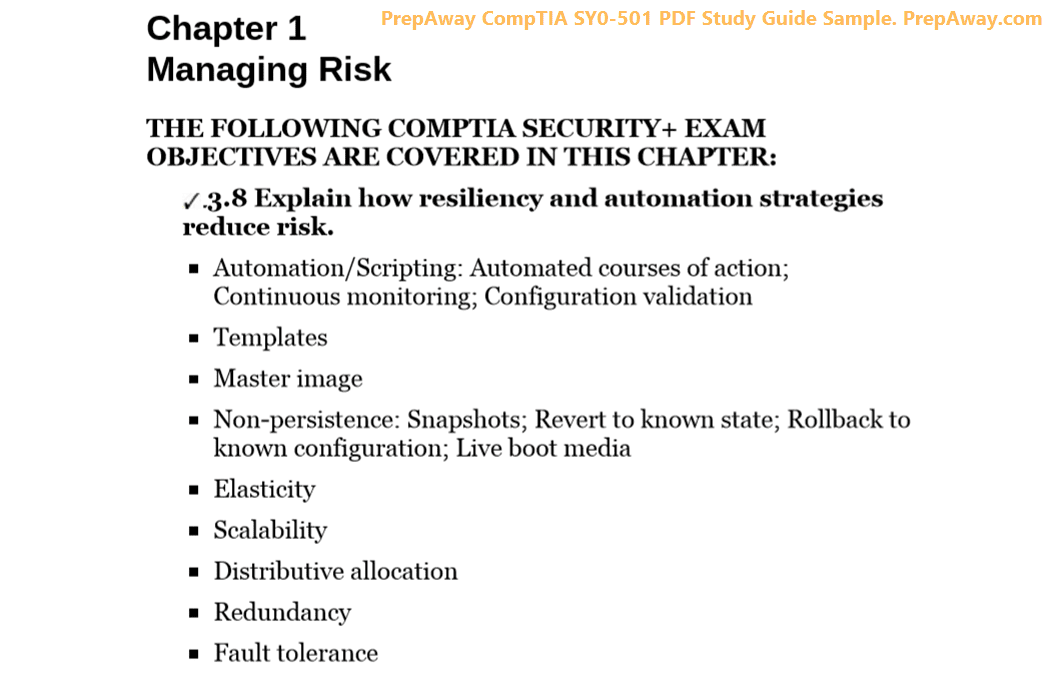
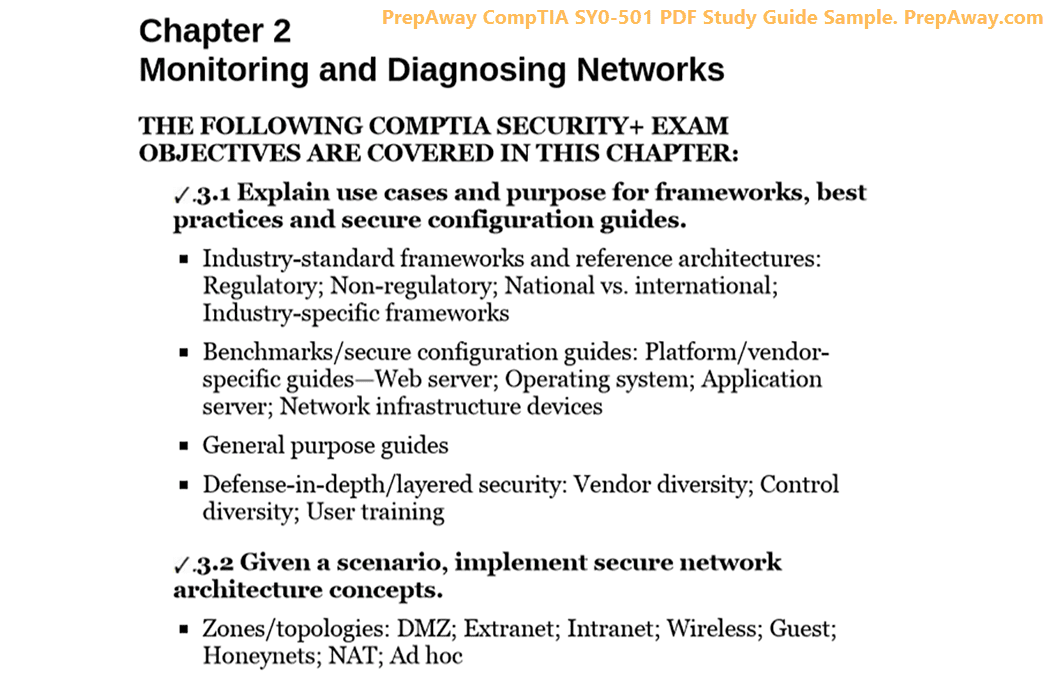
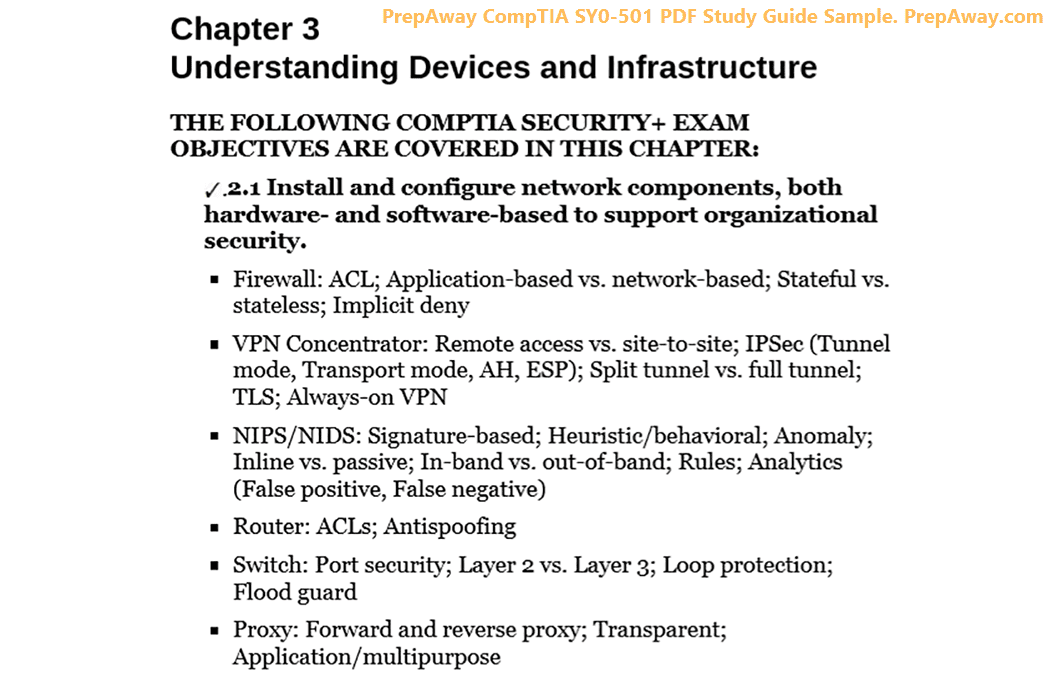
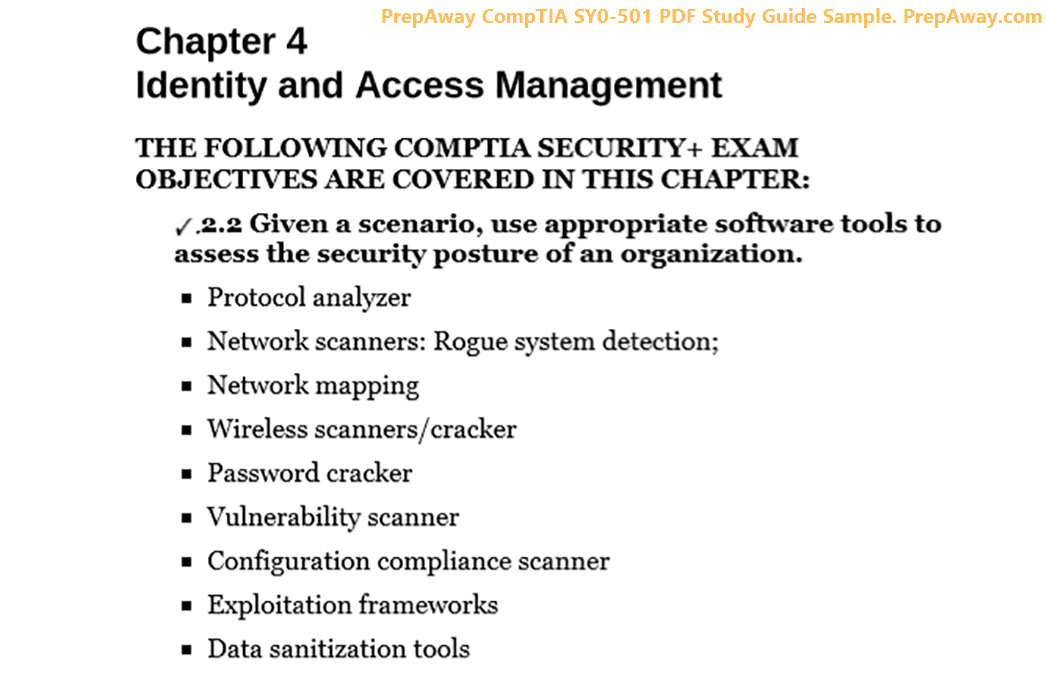
- Study Guide 689 Pages




Last Week Results!
 83% students found the test questions almost same

Includes question types found on the actual exam such as drag and drop, simulation, type-in and fill-in-the-blank.

Developed by IT experts who have passed the exam in the past. Covers in-depth knowledge required for exam preparation.
All HP HPE7-J02 certification exam dumps, study guide, training courses are Prepared by industry experts. PrepAway's ETE files povide the HPE7-J02 Advanced HPE Storage Integrator Solutions practice test questions and answers & exam dumps, study guide and training courses help you study and pass hassle-free!
HPE7-J02 Storage Integrator: Delivering Complex Multi-Site Data Solutions
HPE7-J02 is the current Advanced HPE Storage Integrator Solutions Written Exam and forms the written component of the HPE Master ASE - Storage Integrator Solutions track. HPE describes the target professional as someone who can deliver complete, supported multi-site, multi-array, or otherwise complex storage solutions that align with customer requirements. That makes the exam fundamentally about integration: different storage services, protection mechanisms, workloads, sites, and operational tools must function as one system rather than as individually correct products.
The most direct lower-level relationship is HPE0-J83 Storage Integrator Solutions, which focuses on current storage integration at the ASE level. HPE0-J82 Storage Architect Solutions is also relevant because complex integration depends on understanding the design decisions that produced the environment. HPE7-J02 expects candidates to combine that foundation with deeper multi-array, data-protection, migration, and operational judgment.
Preparation should therefore avoid treating every array as a separate study topic. The important question is how services interact: where data should live, how it moves, how it is protected, how applications consume it, how performance is measured, how recovery works across sites, and how operations remain supportable when the environment changes.
Integration begins by converting business requirements into data behavior
Storage requirements often arrive as business language: an application cannot be down for long, data must be retained for a certain period, a workload is expected to grow, or a second site must support recovery. The integrator must translate those statements into measurable characteristics such as recovery point objective, recovery time objective, capacity growth, latency tolerance, throughput, retention, availability, and replication behavior.
Workloads also differ in access pattern. Structured databases, file services, virtual-machine datastores, analytics, backup repositories, and AI data pipelines create different demands. The right platform or tier should be chosen from the workload behavior and service objective, not from a general preference for a particular array. A complex environment often exists precisely because one platform cannot optimize every requirement.
Assumptions should be documented early. If capacity projections exclude snapshots, replicas, metadata, or expected growth, the design can appear sufficient until operational services are enabled. HPE7-J02 candidates should be comfortable challenging input data and identifying which measurements are required before committing to a solution.
Multi-array environments need clear placement and ownership rules
A customer with several storage systems needs more than aggregate capacity. The integration design should explain which workloads belong on which platform, how tiers are defined, what happens when a workload changes, and who owns placement decisions. Without clear rules, administrators can gradually place data according to convenience and lose the performance, cost, or protection rationale behind the architecture.
Movement between arrays or tiers must also be understood operationally. Data migration can consume bandwidth, affect latency, change host paths, and interact with snapshots or replication. The integrator should plan migration windows, validation, rollback, and application coordination so that a data-placement decision does not become an unplanned outage.
Management consistency matters as environments grow. Naming, alerting, access control, firmware lifecycle, capacity thresholds, and change records should be standardized enough that operators can compare systems and identify abnormal behavior. Integration quality is visible in day-two operations, not only on the day the array is commissioned.
Unstructured data changes scale, namespace, and lifecycle decisions
File and object workloads can grow differently from transactional storage. Large numbers of files, shared namespaces, data locality, archive requirements, and analytics access can affect architecture as much as raw capacity. The current HPE3-CL05 Unstructured Data Solutions component is closely related because HPE’s modern storage path treats unstructured data as a distinct capability that integrators must understand.
Lifecycle policy is particularly important for unstructured data. Not every object or file deserves the same performance tier for its entire life. Age, access frequency, regulatory retention, legal hold, and deletion requirements can influence placement. If policy is not defined, expensive primary capacity can become an archive by accident.
Integration with applications and analytics also matters. Data can be technically available yet operationally unusable if permissions, protocol choices, namespace design, or network throughput do not fit the workload. The integrator should validate access patterns with the consumer rather than assuming a successful mount proves the service is complete.
Data protection must be designed as a recoverable workflow
Backup and replication are useful only when they lead to a reliable recovery. HPE7-J02 candidates should reason from business recovery objectives to protection frequency, retention, copy location, immutability, replication, and restore procedure. A design with many copies can still be weak if all copies share the same administrative risk or if recovery has never been tested at the required scale.
The current HPE3-CL06 Data Protection component reflects how important this area is in HPE’s storage progression. Protection design has to account for ransomware, accidental deletion, site loss, operator error, and application consistency. Each threat can require a different recovery mechanism and a different trust boundary.
A useful supporting concept is disciplined disaster-recovery planning. The storage integrator does not own every business-continuity decision, but the technical recovery sequence must align with application dependencies, network availability, identity services, and the order in which systems are restored.
Multi-site replication is a capacity and consistency problem
Replication across sites introduces latency, bandwidth, consistency, and failure-state questions. Synchronous behavior can reduce data loss but depends on distance and latency; asynchronous behavior can support longer distances but introduces a recovery point. The integrator must understand which tradeoff matches the application requirement and what happens to writes during link or site failure.
Network capacity should be based on change rate and recovery activity, not only steady-state replication. Initial synchronization, resynchronization after an outage, or a large restore can consume far more bandwidth than normal operation. If the design ignores those peaks, replication may technically work while failing to meet the business recovery window.
Failback deserves the same planning as failover. After service runs from a recovery site, data must eventually be reconciled and workloads returned or rebalanced. The integration design should define how that transition is validated and what evidence confirms that protection has returned to normal before the incident is considered closed.
Performance troubleshooting requires separating host, fabric, array, and workload
Storage performance complaints often appear as application slowness, but the bottleneck can exist at several layers. Host queueing, multipathing, network or fabric congestion, array resources, data reduction, tier behavior, replication, snapshots, and the application’s own I/O pattern can all contribute. The integrator needs a method that compares evidence across layers rather than tuning the first component that shows activity.
Baselines are essential. Without normal latency, throughput, queue depth, and capacity trends, it is difficult to distinguish a genuine regression from expected workload growth. Monitoring should therefore be part of the delivered solution, with thresholds that reflect service objectives rather than generic defaults.
Troubleshooting should also test scope. Is every host affected, one volume, one path, one array, or one site? Does the issue follow the workload after migration? Does performance change when protection activity runs? These comparisons narrow the problem quickly and prevent disruptive changes to healthy components.
Automation and operations determine whether a complex solution stays consistent
Multi-array environments create repetitive operational work: provisioning, policy application, monitoring, lifecycle management, access control, reporting, and change tracking. Automation can reduce error when these tasks follow stable rules. The integrator should know which workflows are safe to standardize and which still require explicit approval because they affect data placement, protection, or availability.
Automation also needs guardrails. A script that creates storage quickly can also create it with the wrong protection class or capacity assumptions. Input validation, idempotent behavior, logging, and rollback become important when automation is used in production. The goal is repeatable intent, not simply fewer manual commands.
Operational documentation should describe dependencies and escalation paths. If a provisioning workflow depends on identity, network connectivity, a management service, and several arrays, operators need to know how to isolate failure. A complex integrated solution is mature when ordinary support can diagnose it without relying on the original designer for every incident.
Master-level integration is proved through change and recovery
HPE7-J02 is best prepared through scenarios that force several systems to interact. Design a multi-site environment, then ask what happens when capacity grows faster than expected, an array is replaced, a replication link fails, ransomware affects credentials, or a workload must move without violating its recovery objective. The answer should include technical steps, evidence, and operational ownership. Each scenario should also define a rollback threshold so the team knows when to stop a change before a storage issue becomes an application outage.
The neighboring HPE7-S02 Compute Integrator domain is relevant when storage is delivered as part of a complete workload solution. Compute, virtualization, network, and storage dependencies often share the same migration and availability plan. Understanding those boundaries makes storage integration more realistic without turning the page into a generic infrastructure discussion.
The defining skill is the ability to keep the solution coherent as it changes. A master-level integrator can explain why data is placed where it is, how it is protected, how it moves, how performance is verified, and how service is restored after failure. That is the practical standard behind HPE7-J02.
Security controls belong inside storage integration as well. Administrative roles, MFA where supported, separation of backup credentials, immutable or protected recovery copies, encryption key ownership, audit logging, and vendor-support access can determine whether a recovery copy is actually trustworthy after a cyber incident. The integrator should understand which controls are native to the storage platform and which depend on identity, network, or backup systems. A recovery design that shares the same compromised administrative path as production may satisfy capacity requirements while failing the real threat model.
HP HPE7-J02 practice test questions and answers, training course, study guide are uploaded in ETE Files format by real users. Study and Pass HPE7-J02 Advanced HPE Storage Integrator Solutions certification exam dumps & practice test questions and answers are to help students.
- HPE7-A01 - HPE Network Campus Access Professional
- HPE7-A08 - HPE Network Switching Professional
- HPE6-A85 - HPE Network Campus Access Associate
- HPE6-A86 - HPE Network Switching Associate
- HPE0-V27 - HPE Edge-to-Cloud Solutions
- HPE0-J83 - HPE Storage Integrator Solutions
- HPE7-A11 - HPE Network Campus Access Professional Architect
- HPE0-J82 - HPE Storage Architect
- HPE6-A90 - HPE Networking Central
- HPE7-J02 - Advanced HPE Storage Integrator Solutions
- HPE0-S59 - HPE Compute Solutions
- HPE7-A02 - Aruba Certified Network Security Professional
- HPE7-V01 - Advanced HPE Edge-to-Cloud Solutions
- HPE6-A88 - HPE Networking ClearPass
- HPE7-A10 - HPE Network Security Expert
- HPE7-S01 - Advanced HPE Compute Architect
- HPE7-A06 - HPE Aruba Networking Certified Expert - Campus Access Switching
- HPE7-A12 - HPE Network Data Center Professional Architect
- HPE7-S02 - Advanced HPE Compute Integrator Solutions
- HPE7-A07 - HPE Campus Access Mobility Expert
- HPE6-A78 - HPE Network Security Associate
- HPE6-A68 - Aruba Certified ClearPass Professional (ACCP) V6.7
- HPE0-V25 - HPE Hybrid Cloud Solutions
- HPE2-T37 - Using HPE OneView
Purchase HP HPE7-J02 Exam Training Products Individually
Why customers love us?
What do our customers say?
The resources provided for the HP certification exam were exceptional. The exam dumps and video courses offered clear and concise explanations of each topic. I felt thoroughly prepared for the HPE7-J02 test and passed with ease.
Studying for the HP certification exam was a breeze with the comprehensive materials from this site. The detailed study guides and accurate exam dumps helped me understand every concept. I aced the HPE7-J02 exam on my first try!
I was impressed with the quality of the HPE7-J02 preparation materials for the HP certification exam. The video courses were engaging, and the study guides covered all the essential topics. These resources made a significant difference in my study routine and overall performance. I went into the exam feeling confident and well-prepared.
The HPE7-J02 materials for the HP certification exam were invaluable. They provided detailed, concise explanations for each topic, helping me grasp the entire syllabus. After studying with these resources, I was able to tackle the final test questions confidently and successfully.
Thanks to the comprehensive study guides and video courses, I aced the HPE7-J02 exam. The exam dumps were spot on and helped me understand the types of questions to expect. The certification exam was much less intimidating thanks to their excellent prep materials. So, I highly recommend their services for anyone preparing for this certification exam.
Achieving my HP certification was a seamless experience. The detailed study guide and practice questions ensured I was fully prepared for HPE7-J02. The customer support was responsive and helpful throughout my journey. Highly recommend their services for anyone preparing for their certification test.
I couldn't be happier with my certification results! The study materials were comprehensive and easy to understand, making my preparation for the HPE7-J02 stress-free. Using these resources, I was able to pass my exam on the first attempt. They are a must-have for anyone serious about advancing their career.
The practice exams were incredibly helpful in familiarizing me with the actual test format. I felt confident and well-prepared going into my HPE7-J02 certification exam. The support and guidance provided were top-notch. I couldn't have obtained my HP certification without these amazing tools!
The materials provided for the HPE7-J02 were comprehensive and very well-structured. The practice tests were particularly useful in building my confidence and understanding the exam format. After using these materials, I felt well-prepared and was able to solve all the questions on the final test with ease. Passing the certification exam was a huge relief! I feel much more competent in my role. Thank you!
The certification prep was excellent. The content was up-to-date and aligned perfectly with the exam requirements. I appreciated the clear explanations and real-world examples that made complex topics easier to grasp. I passed HPE7-J02 successfully. It was a game-changer for my career in IT!


