
Pass Isaca AAISM Certification Exam in First Attempt Guaranteed!
Get 100% Latest Exam Questions, Accurate & Verified Answers to Pass the Actual Exam!
30 Days Free Updates, Instant Download!


AAISM Premium Bundle
- Premium File 463 Questions & Answers. Last update: Nov 01, 2026
- Training Course 57 Video Lectures
AAISM Premium Bundle
- Premium File 463 Questions & Answers
Last update: Nov 01, 2026 - Training Course 57 Video Lectures
Purchase Individually

Premium File
Training Course




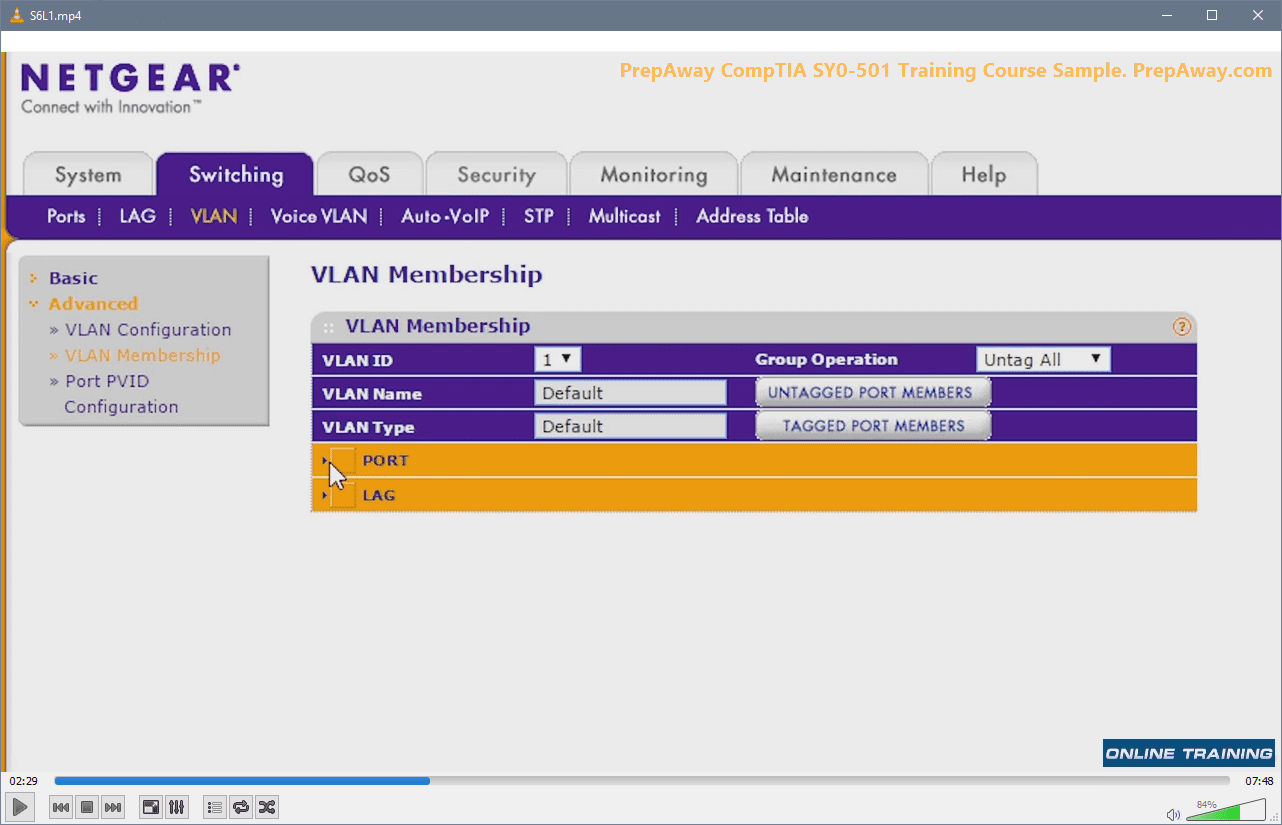
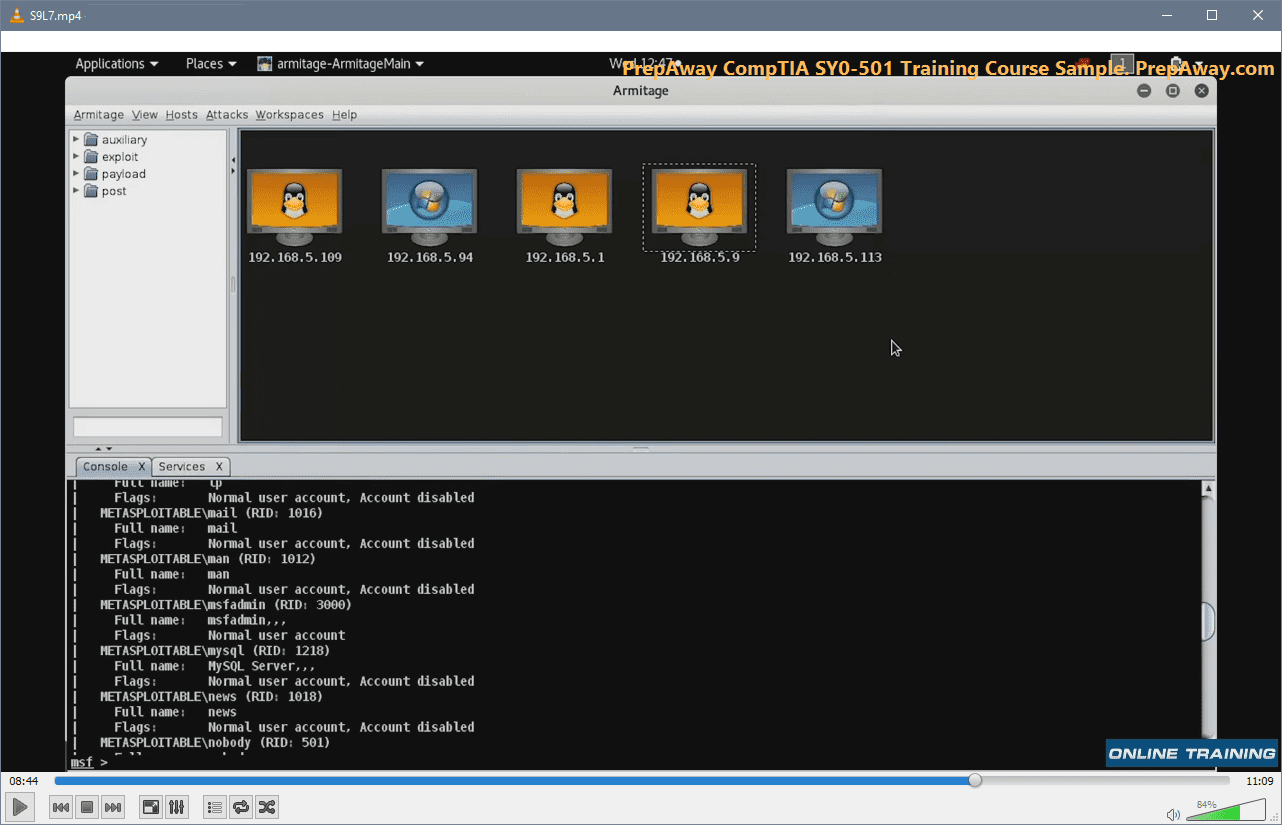
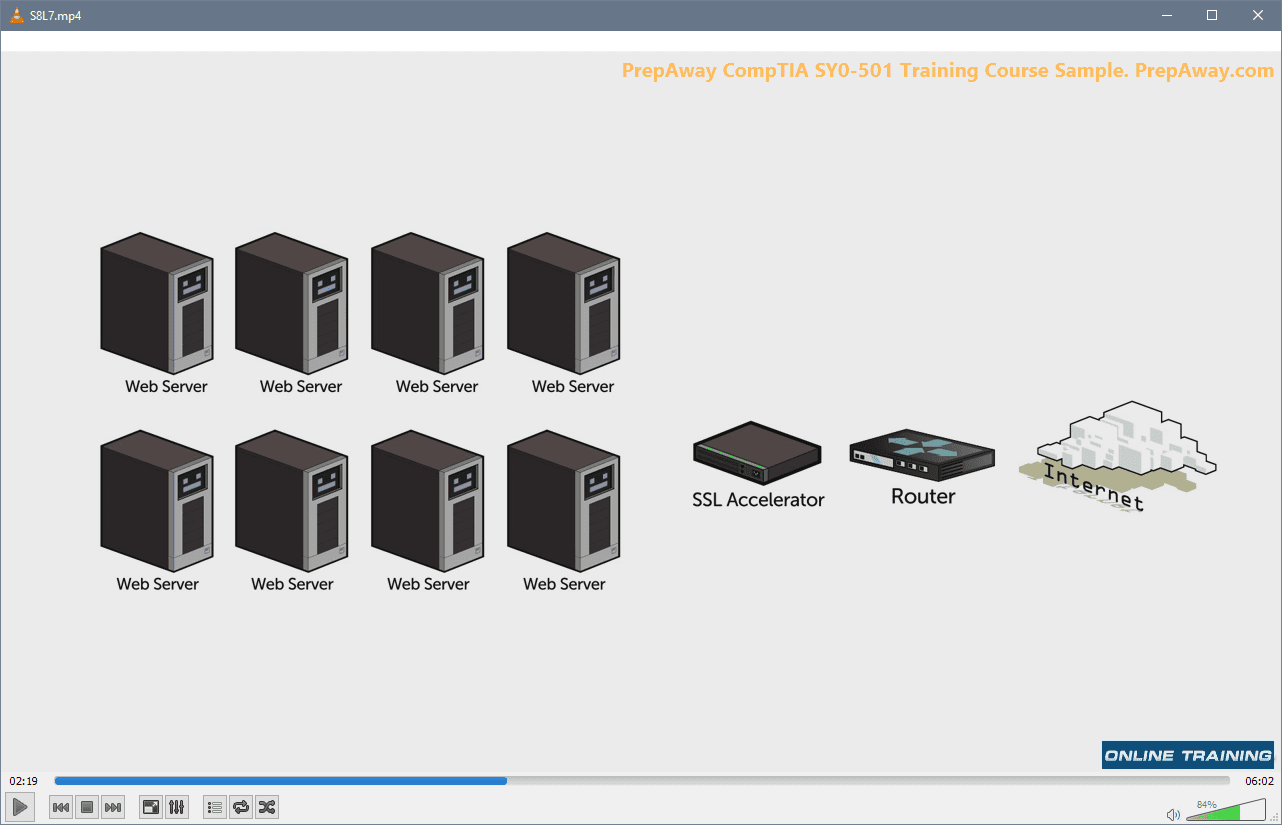
AAISM Exam - Advanced in AI Security Management
| Download Free AAISM Exam Questions |
|---|
Isaca AAISM Certification Practice Test Questions and Answers, Isaca AAISM Certification Exam Dumps
All Isaca AAISM certification exam dumps, study guide, training courses are prepared by industry experts. Isaca AAISM certification practice test questions and answers, exam dumps, study guide and training courses help candidates to study and pass hassle-free!
ISACA AAISM in 2026: AI Security Management for CISM and CISSP Professionals
ISACA Advanced in AI Security Management (AAISM) is a current certification for experienced security professionals who need to manage enterprise AI risk, governance, security architecture, controls, and incident response. It is intentionally positioned as an advanced credential: candidates must hold an active CISM or CISSP to register for the exam and ultimately earn the certification.
The current AAISM exam contains 90 questions across three domains: AI Governance and Program Management, AI Risk Management, and AI Technologies and Controls. The current weighting is 31%, 31%, and 38% respectively. The broader ISACA certifications portfolio includes CISM, CISA, CRISC, and other governance and risk credentials, but AAISM specifically extends established security-management skill into AI-enabled systems.
Start With the Prerequisite: Active CISM or CISSP
AAISM is not designed as an entry-level AI credential. ISACA currently requires candidates to hold an active CISM or CISSP before registering for the exam. That prerequisite matters because the exam assumes mature security judgment rather than teaching basic governance or security management from the beginning.
If you do not yet hold one of those credentials, build the prerequisite first instead of treating AAISM as a shortcut. The AI-specific material becomes much easier to interpret when risk appetite, security programs, architecture, incident management, and executive communication are already familiar.
AI Governance and Program Management Connect Security to Leadership
The first domain covers stakeholder considerations, frameworks, regulation, strategy, policy, AI assets and data, security-program development, continuity, and incident response. The security manager must translate AI adoption into governance that executives and technical teams can operate.
Define who owns AI systems, which use cases need approval, what security requirements apply, how exceptions are handled, and how AI inventory is maintained. The PrepAway article on governance, risk, and compliance is useful context because AAISM security decisions must fit enterprise governance rather than exist as an isolated technical checklist.
AI Risk Management Requires New Threat Models
The second domain covers AI risk assessment, risk treatment, threats, vulnerabilities, vendor risk, and supply-chain risk. Traditional cybersecurity risks still matter, but AI introduces data poisoning, model theft, prompt injection, unsafe tool use, model manipulation, excessive agency, and other system-specific concerns.
Build threat models that include users, prompts, system instructions, training data, retrieval data, models, agents, tools, APIs, external vendors, and human reviewers. The PrepAway guide to IT risk management can help reinforce risk ownership and response principles before they are applied to AI-specific threats.
AI Technologies and Controls Are the Largest Domain
The third domain is weighted most heavily and covers AI security architecture, lifecycle controls, data management, privacy, ethics, trust and safety, technical controls, and monitoring. Managers do not need to become model researchers, but they must understand enough of the architecture to evaluate control design and residual risk.
For example, a retrieval-augmented application adds document stores, embeddings, retrieval logic, permissions, and prompt context to the security boundary. An agent adds tools and action permissions. A model-training pipeline introduces data provenance, artifacts, and model-release controls.
Data Security Is an AI Security Problem
AI systems may consume sensitive prompts, training data, customer records, source code, internal documents, and generated outputs. Define where data is stored, who can access it, how it is retained, and whether it can be used for training, retrieval, or vendor improvement.
Security managers should work with privacy and governance specialists to control data across the AI lifecycle. The PrepAway discussion of AI ethics and compliance is useful because privacy, fairness, safety, and security controls often overlap even though they are governed by different stakeholders.
AI Incident Response Needs New Playbooks
AAISM explicitly includes AI incident handling and business continuity. Incidents may involve malicious prompts, unauthorized model access, data leakage, unsafe tool actions, poisoning, manipulated outputs, compromised vendors, or model behavior that causes operational harm.
Define how to contain the AI component without losing critical evidence. The PrepAway career discussion on incident response management can help connect technical containment with escalation, communication, recovery, and lessons learned.
Vendor and Supply-Chain Risk Are Central
Most organizations rely on external models, APIs, cloud services, datasets, open-source libraries, or model hubs. Security management needs assurance about data use, access, service changes, model provenance, vulnerability disclosure, geographic constraints, and incident notification.
Do not assume that a well-known AI vendor removes organizational responsibility. The enterprise still owns the decision to send data, grant permissions, rely on outputs, and integrate tools into business workflows.
AIGP Is Adjacent but Not a Substitute
AIGP focuses broadly on AI governance, laws, lifecycle oversight, and responsible deployment across many professions. AAISM focuses specifically on AI security management and is available only to active CISM or CISSP holders. The overlap is real, but the professional role and prerequisite level differ.
An organization may use AIGP knowledge to establish enterprise AI governance and AAISM expertise to design and manage the security program around those systems. The strongest teams avoid forcing one credential to cover every AI risk discipline.
Practise scenarios where an enterprise wants to deploy an internal assistant, customer-facing agent, coding copilot, autonomous workflow, or AI-enabled security tool. Identify assets, trust boundaries, data, threats, controls, monitoring, incident response, vendor dependencies, and executive risk decisions.
The PrepAway overview of AI in cyber defense can help connect AI capability with the changing security workforce. However, AAISM preparation should remain management-focused: the key question is how the organization governs, controls, monitors, and responds to AI risk at scale.
AI asset management should include models, datasets, vector stores, prompts, system instructions, agents, tools, APIs, fine-tuning artifacts, evaluation sets, and vendor services. Security teams cannot protect what they do not know exists. Ownership and classification are therefore prerequisites to meaningful control design.
Security architecture should separate model capability from authorization. Even if a model can generate an instruction to delete data, the application should enforce whether the user and tool are permitted to perform that action. Deterministic access control must remain outside probabilistic model output.
Monitoring should look for abuse patterns as well as normal system health. High-volume prompts, repeated attempts to extract restricted content, unusual tool invocation, retrieval from sensitive repositories, model-endpoint anomalies, and unexpected output categories can all become security signals.
AI supply-chain review should include model providers, open-source components, training data, plugins, third-party retrieval sources, evaluation tools, and hosted infrastructure. A vulnerability or policy change in one dependency can affect the enterprise AI system even when the organization did not modify its own code.
Business continuity planning should address the possibility that an AI service becomes unavailable, unsafe, or legally unusable. Define fallback processes, manual alternatives, degraded modes, and criteria for disabling the system. Resilience includes the ability to stop using AI without stopping the business process it supports.
Security testing should include adversarial behavior against the full AI system, not only the model. Test prompt injection, retrieval poisoning, unauthorized data access, unsafe tool parameters, excessive permissions, malicious files, and attempts to bypass human approval. Document which control should prevent or detect each action.
Metrics for an AI security program should show whether risk is being controlled. Useful measures may include inventory coverage, high-risk use cases without review, unresolved AI vulnerabilities, vendor-assessment status, incident trends, tool-permission exceptions, or overdue model reviews. Avoid metrics that simply count AI systems without showing security posture.
For final study, run a tabletop exercise around a compromised enterprise AI agent. Include business leadership, security operations, legal, privacy, application owners, vendor contacts, and communications. Decide how to contain the agent, preserve evidence, revoke permissions, notify stakeholders, recover the workflow, and change governance so the failure is less likely to recur.
AI security awareness should be role specific. Developers need secure model and tool integration guidance, business users need acceptable-use rules, security teams need detection and response procedures, and executives need risk and accountability expectations. One generic annual training module is unlikely to address all of those decisions.
Before registering, verify that the prerequisite credential is active and that your ISACA account reflects eligibility. AAISM registration creates a six-month exam-eligibility window, so align scheduling with study readiness rather than purchasing the exam long before you intend to sit it.
Use final review to connect every AI threat to governance, risk treatment, a technical control, monitoring, and an incident-response action. This prevents the three domains from becoming separate memorization lists and better reflects how an enterprise security manager works.
Keep the final study plan tied to enterprise decisions: which AI systems may be used, what controls are mandatory, who can approve exceptions, how incidents are escalated, and what evidence management receives. That management layer is what distinguishes AAISM from a general AI security awareness course.
Final Readiness Check
- Confirm that your CISM or CISSP is active before registering for AAISM.
- Use the current three-domain, 90-question AAISM outline.
- Practise AI governance, risk, architecture, data security, vendor risk, monitoring, and incident response as one program.
- Distinguish AI security management from broader AI governance certification.
- Apply existing security-management judgment to AI-specific threats rather than treating AI as a completely separate discipline.
AAISM is valuable because enterprise AI adoption needs senior security ownership. The certification is not about chasing every new AI attack technique; it is about building a security program that can evaluate new systems, control their risks, respond to failures, and support responsible business use.
AAISM certification practice test questions and answers, training course, study guide are uploaded in ETE files format by real users. Study and pass Isaca AAISM certification exam dumps & practice test questions and answers are the best available resource to help students pass at the first attempt.


