
- Home
- UiPath Certifications
- UiIEPASv1 UiPath Infrastructure Engineer Professional - Automation Suite Dumps
Pass UiPath UiIEPASv1 Exam in First Attempt Guaranteed!
Get 100% Latest Exam Questions, Accurate & Verified Answers to Pass the Actual Exam!
30 Days Free Updates, Instant Download!


UiIEPASv1 Premium File
- Premium File 118 Questions & Answers. Last Update: Oct 08, 2026
Whats Included:
- Latest Questions
- 100% Accurate Answers
- Fast Exam Updates
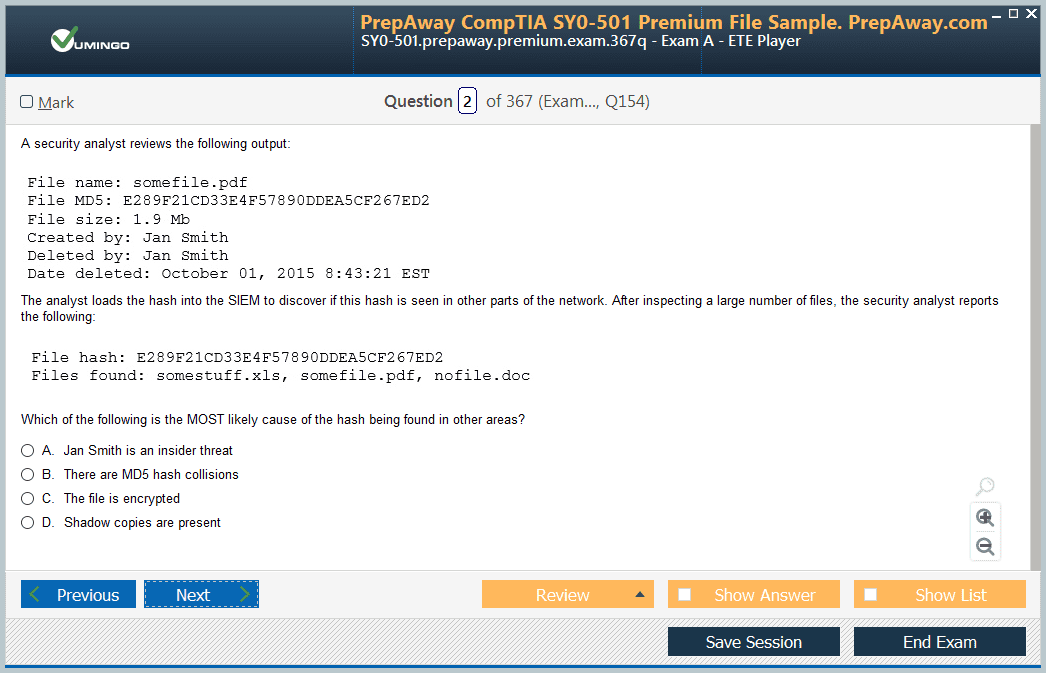
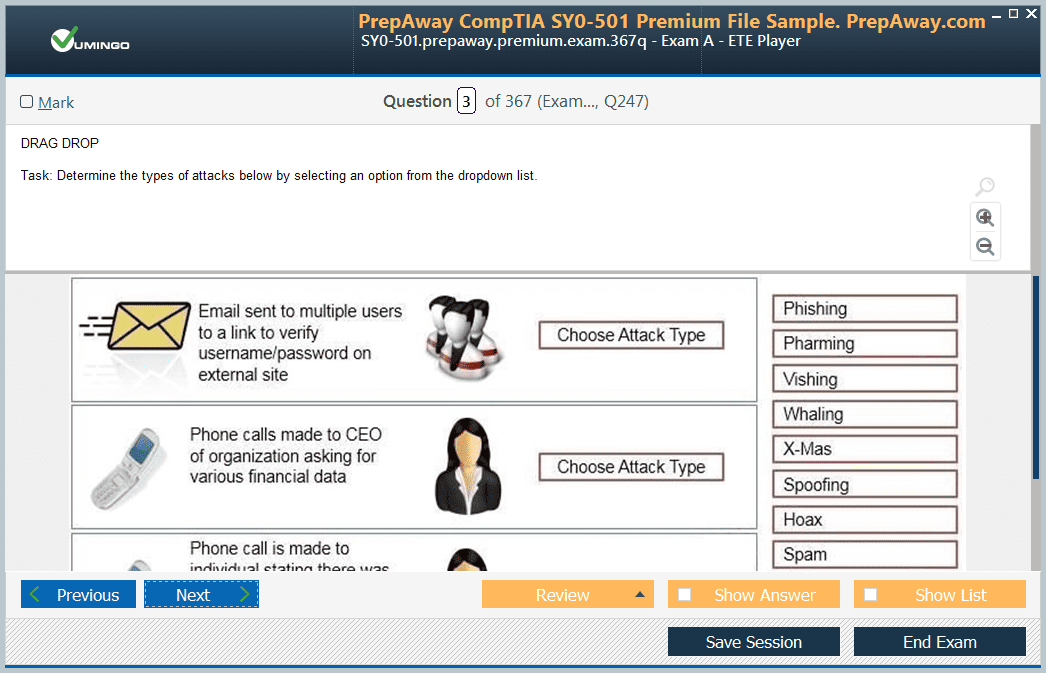
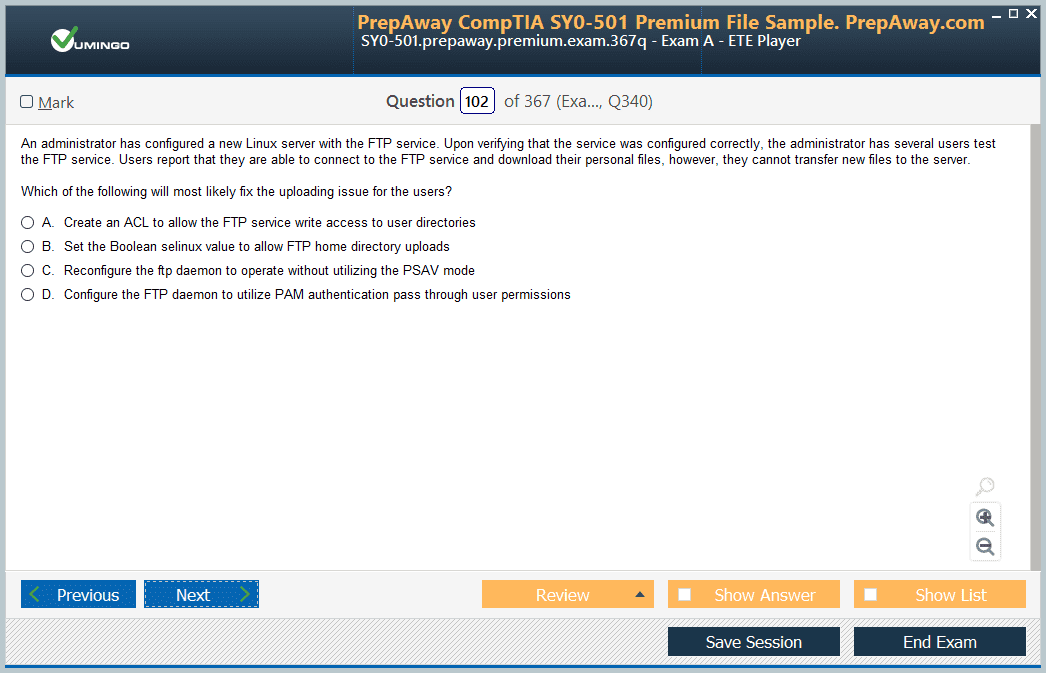
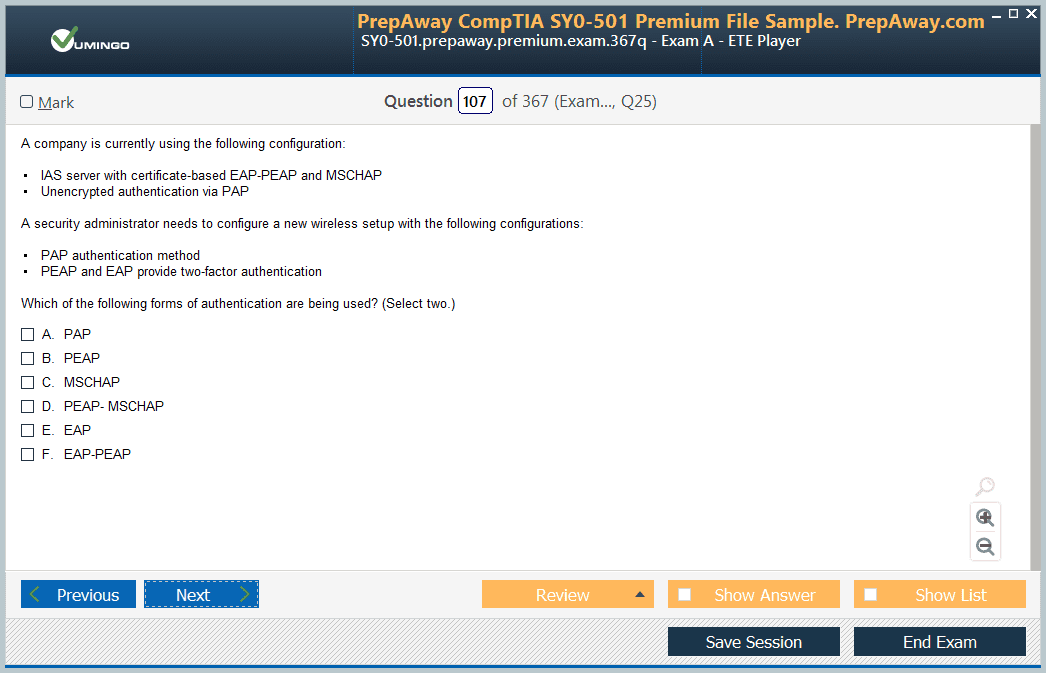
Last Week Results!
 83% students found the test questions almost same
All UiPath UiIEPASv1 certification exam dumps, study guide, training courses are Prepared by industry experts. PrepAway's ETE files povide the UiIEPASv1 UiPath Infrastructure Engineer Professional - Automation Suite practice test questions and answers & exam dumps, study guide and training courses help you study and pass hassle-free!
UiIEPASv1 / UiPath-IEPASv1 Infrastructure Engineer Professional – Automation Suite: Linux, Clusters, Upgrades, and Recovery
The “UiIEPASv1” identifier corresponds to the active UiPath Infrastructure Engineer Professional – Automation Suite exam, officially numbered UiPath-IEPASv1. It is a specialist infrastructure credential among UiPath certifications for engineers who deploy, upgrade, maintain, back up, restore, monitor, and troubleshoot Automation Suite in Linux environments. The current exam focuses on real platform operations rather than development workflows, so candidates need infrastructure depth across Linux, networking, SQL Server, storage, certificates, directory integration, cluster operations, and cloud or virtualized environments.
Candidates receive 120 minutes for the current exam, need 70% to pass, face no prerequisite certification requirement, and earn a credential with a three-year validity period. UiPath expects candidates to understand single-node and multi-node deployments, prerequisites, post-installation work, in-place and side-by-side upgrades, backup and restore, monitoring, troubleshooting, and migration. Preparation should resemble the work of a platform engineer: build environments, break them safely, read evidence, recover them, and document what changed.
Automation Suite infrastructure should be designed from workload requirements
An Automation Suite deployment begins with the products and workloads that must run, not with a generic server size. Different services impose different compute, memory, storage, database, and availability requirements. Single-node deployments can be appropriate for smaller or less critical environments, while multi-node designs support higher resilience and scale.
Capacity planning should account for growth and operational headroom. A cluster that barely fits the initial workload leaves little room for upgrades, failover, backups, indexing, or temporary spikes. Record assumptions about users, robots, process volumes, AI workloads, retention, and future products so later sizing changes can be traced to actual demand.
The same discipline appears in broader infrastructure architecture: define service objectives, failure tolerance, recovery expectations, and dependencies before choosing the topology. This makes platform design explainable rather than a collection of installation defaults.
Linux fundamentals matter because the platform lives below the UiPath interface
Infrastructure engineers need to be comfortable with the operating system underneath Automation Suite. Filesystems, permissions, services, processes, package management, DNS, time synchronization, certificates, networking, and command-line troubleshooting all affect cluster health. A platform issue that appears in a UiPath console can originate from a lower layer.
Practice reading Linux evidence. Check service status, disk usage, memory pressure, network connectivity, certificate files, mount points, and system logs. Learn to distinguish a product-level error from an operating-system resource problem. This reduces the tendency to reinstall or restart components without understanding the cause.
Automation can help with repeatable configuration, but it should not hide the underlying system. Infrastructure as code principles are useful when they make configuration reproducible, reviewable, and consistent across environments rather than simply replacing manual commands with opaque scripts.
Networking, DNS, certificates, and identity form the access path into the cluster
Automation Suite depends on reliable name resolution, routing, firewall rules, load balancing, certificates, and identity integration. A certificate mismatch can look like an application failure; a DNS problem can create intermittent service discovery issues; a blocked port can make one component appear unhealthy while others remain available.
Build a dependency map showing clients, ingress points, cluster nodes, databases, storage, directory services, and external integrations. Record required ports and trust relationships. During troubleshooting, this map helps identify where traffic should flow and which layer can provide evidence.
Certificate operations deserve deliberate practice. Understand server certificates, certificate authorities, renewal, trust chains, and what changes when hostnames or identity settings are updated. Treat certificates as part of lifecycle management rather than a one-time installation hurdle.
Multi-node cluster operations require Kubernetes-style troubleshooting habits
Automation Suite uses clustered infrastructure, so engineers benefit from understanding how workloads, nodes, services, events, and resource pressure interact. When a service fails, start with cluster state and recent events before jumping directly to application logs. This helps distinguish scheduling, networking, storage, and container failures.
Kubernetes troubleshooting is most effective when you reconstruct what the control plane tried to do and why. Ask whether a workload was scheduled, whether it started, whether health checks passed, and whether dependencies were reachable. Each step narrows the fault domain.
UiPath-specific node operations also matter: adding or removing nodes, repaving a node, shutting down safely, and managing products after installation. Practice the procedure and the rollback or recovery path. Cluster changes should never be treated as isolated commands without considering quorum, capacity, and running workloads.
Installation is a sequence of validated prerequisites, not a single command
Successful installation depends on hardware, operating-system packages, SQL Server, storage such as NFS where required, network preparation, certificates, and product selection. A missing prerequisite may not surface until late in the process, so pre-installation validation should be systematic.
Create a build checklist that records evidence for every prerequisite: versions, capacity, connectivity, credentials, DNS, time synchronization, storage, and certificate state. The purpose is not paperwork; it is repeatability. If a second environment cannot be built from the same checklist, the first installation was not fully understood.
Post-installation work is equally important. Enable and validate administrative tooling, confirm product health, manage enabled products, verify access, and capture a known-good baseline. A platform should not be handed to users until its operational state can be measured and reproduced.
Upgrades should be treated as controlled migrations with rollback thinking
The exam distinguishes in-place and side-by-side upgrade approaches. Each has different implications for downtime, infrastructure capacity, rollback, data movement, and operational risk. Engineers should be able to explain why one approach fits an environment instead of choosing based on habit.
Before an upgrade, validate compatibility, capacity, backups, certificates, database readiness, and external integrations. Define success checks and a point beyond which rollback becomes more complex. Communicate expected downtime and responsibilities so incident response does not begin only after something fails.
Use a test environment to rehearse the sequence with production-like data and integrations where possible. Measure how long major steps take, capture warnings, and update the runbook. The upgrade plan should improve after each rehearsal.
Backup and restore must prove recovery, not merely produce files
A backup is only useful if the organization can restore the required service within its recovery objectives. Infrastructure engineers should understand what Automation Suite backup captures, where it is stored, what dependencies are needed for restoration, and which credentials or encryption material must also be protected.
Backup, recovery, and continuity are different problems. A successful backup job does not prove that a cluster can be restored, that external databases are synchronized, or that users can resume work. Recovery exercises should validate the full service path.
Practice a documented restore in a safe environment. Record timing, prerequisites, manual decisions, and post-restore validation. If the procedure depends on one engineer remembering undocumented steps, the recovery design is incomplete.
Monitoring and troubleshooting should follow evidence from symptom to cause
Effective monitoring combines platform health, node resources, application logs, storage, database behavior, network evidence, and user-facing symptoms. Alerting should identify conditions that need action without creating so much noise that important signals are ignored.
Cluster events can reveal scheduling failures, image problems, resource shortages, or repeated restarts before detailed application logs are examined. Logs then provide deeper context. Use each evidence source for the question it answers rather than searching randomly.
Troubleshooting should end with a verified cause and preventive action where possible. Restarting a component may restore service, but it does not explain whether the root issue was capacity, configuration, software defect, network instability, or an external dependency.
Preparation should include repeatable builds, failures, upgrades, and recovery drills
The strongest study environment is a lab you can rebuild. Practice prerequisites, installation, node and product operations, certificate changes, backups, restore, and at least one upgrade path. Keep a runbook and revise it whenever a step surprises you. That process turns documentation into operational knowledge.
Add failure drills. Break DNS, fill storage, stop a dependency, invalidate a certificate, or make a controlled network change, then diagnose the result using cluster state, events, logs, and system evidence. Restore the environment without using a full reinstall as the default answer.
This credential is about running a platform that other automation teams depend on. You are ready when you can explain the topology, prove prerequisites, execute lifecycle changes safely, recover from failure, and communicate evidence clearly enough that application, network, database, and security teams can collaborate during real incidents.
Practice capacity incidents as well as hard outages. Constrain CPU, memory, or storage in a lab and observe how symptoms surface across nodes and services. Resource pressure can produce cascading behavior that looks like several unrelated application errors. Learning to connect those symptoms to the underlying constraint is more valuable than memorizing a single troubleshooting command, especially in multi-node environments where one unhealthy component can affect several products.
Database and storage dependencies deserve their own operational runbook. Record connection paths, authentication, backup ownership, storage growth expectations, and the checks used to prove those services are healthy. During an incident, the Automation Suite team should know what evidence to gather before escalating to a database or storage team. Clear handoff evidence shortens resolution time and prevents every platform problem from becoming an unstructured cross-team investigation.
Finally, rehearse a maintenance window end to end. Announce the change, capture a pre-change baseline, execute the planned operation, verify cluster and product health, run a small user-facing smoke test, and document the result. If a rollback threshold is reached, follow the rollback procedure rather than improvising. This discipline reflects the real responsibility of an infrastructure engineer: not merely knowing installation commands, but changing a shared production platform with controlled risk.
Keep command history and troubleshooting notes structured enough to reuse. Record the observed symptom, evidence collected, hypothesis, action, and result. This prevents repeated guesswork and creates a knowledge base for other engineers. Good operational documentation is especially valuable when an incident occurs outside the hours of the person who originally installed the cluster.
UiPath UiIEPASv1 practice test questions and answers, training course, study guide are uploaded in ETE Files format by real users. Study and Pass UiIEPASv1 UiPath Infrastructure Engineer Professional - Automation Suite certification exam dumps & practice test questions and answers are to help students.
- UiADPv1 - UiPath Automation Developer Professional v1.0
- UiADAv1 - UiPath Automation Developer Associate v1.0
- UiABAv1 - Automation Business Analyst Professional
- UiAAAv1 - UiPath Agentic Automation Associate
- UiASAPv1 - UiPath Automation Solution Architect Professional v1.0
- UiTAEPv1 - UiPath Test Automation Engineer Professional v1.0
- UiSTEPv1 - UiPath Software Testing Engineer Professional
- UiARD - UiPath Advanced RPA Developer v1.0
Why customers love us?
What do our customers say?
The resources provided for the UiPath certification exam were exceptional. The exam dumps and video courses offered clear and concise explanations of each topic. I felt thoroughly prepared for the UiIEPASv1 test and passed with ease.
Studying for the UiPath certification exam was a breeze with the comprehensive materials from this site. The detailed study guides and accurate exam dumps helped me understand every concept. I aced the UiIEPASv1 exam on my first try!
I was impressed with the quality of the UiIEPASv1 preparation materials for the UiPath certification exam. The video courses were engaging, and the study guides covered all the essential topics. These resources made a significant difference in my study routine and overall performance. I went into the exam feeling confident and well-prepared.
The UiIEPASv1 materials for the UiPath certification exam were invaluable. They provided detailed, concise explanations for each topic, helping me grasp the entire syllabus. After studying with these resources, I was able to tackle the final test questions confidently and successfully.
Thanks to the comprehensive study guides and video courses, I aced the UiIEPASv1 exam. The exam dumps were spot on and helped me understand the types of questions to expect. The certification exam was much less intimidating thanks to their excellent prep materials. So, I highly recommend their services for anyone preparing for this certification exam.
Achieving my UiPath certification was a seamless experience. The detailed study guide and practice questions ensured I was fully prepared for UiIEPASv1. The customer support was responsive and helpful throughout my journey. Highly recommend their services for anyone preparing for their certification test.
I couldn't be happier with my certification results! The study materials were comprehensive and easy to understand, making my preparation for the UiIEPASv1 stress-free. Using these resources, I was able to pass my exam on the first attempt. They are a must-have for anyone serious about advancing their career.
The practice exams were incredibly helpful in familiarizing me with the actual test format. I felt confident and well-prepared going into my UiIEPASv1 certification exam. The support and guidance provided were top-notch. I couldn't have obtained my UiPath certification without these amazing tools!
The materials provided for the UiIEPASv1 were comprehensive and very well-structured. The practice tests were particularly useful in building my confidence and understanding the exam format. After using these materials, I felt well-prepared and was able to solve all the questions on the final test with ease. Passing the certification exam was a huge relief! I feel much more competent in my role. Thank you!
The certification prep was excellent. The content was up-to-date and aligned perfectly with the exam requirements. I appreciated the clear explanations and real-world examples that made complex topics easier to grasp. I passed UiIEPASv1 successfully. It was a game-changer for my career in IT!