Pass Microsoft Certified: Fabric Analytics Engineer Associate Certification Exam in First Attempt Guaranteed!
Get 100% Latest Exam Questions, Accurate & Verified Answers to Pass the Actual Exam!
30 Days Free Updates, Instant Download!


DP-600 Premium Bundle
- Premium File 250 Questions & Answers. Last update: Nov 01, 2026
- Training Course 69 Video Lectures
- Study Guide 506 Pages
DP-600 Premium Bundle
- Premium File 250 Questions & Answers
Last update: Nov 01, 2026 - Training Course 69 Video Lectures
- Study Guide 506 Pages
Purchase Individually

Premium File
Training Course
Study Guide




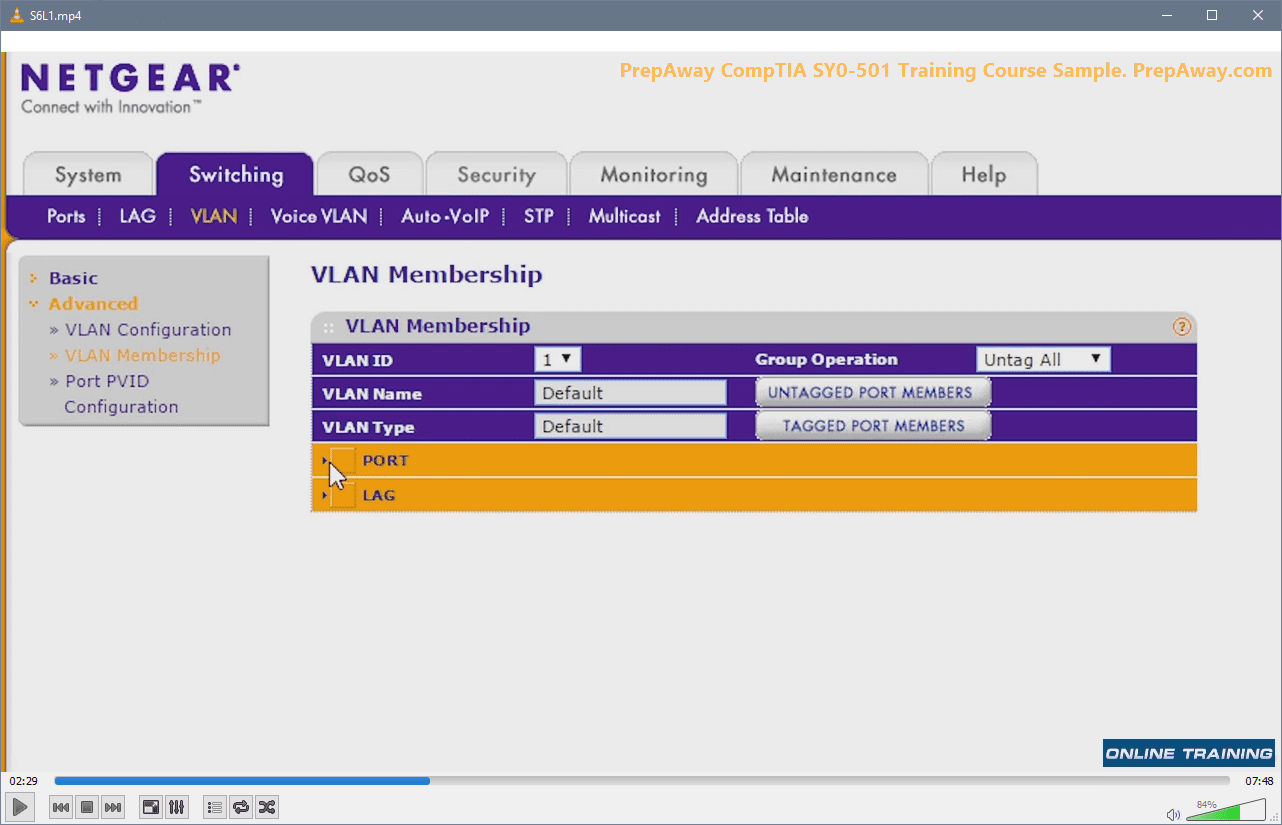
DP-600 Exam - Implementing Analytics Solutions Using Microsoft Fabric
| Download Free DP-600 Exam Questions |
|---|
Microsoft Microsoft Certified: Fabric Analytics Engineer Associate Certification Practice Test Questions and Answers, Microsoft Microsoft Certified: Fabric Analytics Engineer Associate Certification Exam Dumps
All Microsoft Microsoft Certified: Fabric Analytics Engineer Associate certification exam dumps, study guide, training courses are prepared by industry experts. Microsoft Microsoft Certified: Fabric Analytics Engineer Associate certification practice test questions and answers, exam dumps, study guide and training courses help candidates to study and pass hassle-free!
Microsoft Fabric Analytics Engineer Associate DP-600: Current July 2026 Exam and October 19 Update
Within the broader Microsoft certification portfolio, Microsoft Certified: Fabric Analytics Engineer Associate remains an active intermediate certification for professionals who design, create, and manage enterprise analytics assets in Microsoft Fabric. The required DP-600 exam currently uses skills measured as of July 21, 2026: maintain a data analytics solution, prepare data, and implement and manage semantic models. Microsoft has announced that the English certification will update on October 19, 2026.
As of September 28, candidates testing before October 19 should use the current July outline; candidates testing on or after October 19 should use the updated guide. The certification renews every 12 months. The PrepAway DP-600 Fabric analytics article can support exam context, and the Fabric analytics engineer role helps connect the credential with real analytics work.
Fabric Analytics Engineers Work Across Data and Semantic Layers
The role includes lakehouses, warehouses, semantic models, governance, SQL, KQL, DAX, and development lifecycle. You are not only a report author and not only a data engineer.
Start from the business question and identify where data should be stored, transformed, modeled, governed, and consumed. Architecture decisions should reduce duplicate logic across reports and teams.
Maintain the Analytics Solution as a Product
The current exam gives 25–30% to maintaining the analytics solution. Practise workspace access, item permissions, row/column/object/file-level security, sensitivity labels, endorsement, version control, deployment pipelines, impact analysis, and reusable assets.
Analytics environments need change management. A semantic-model update can affect many reports, so trace dependencies before deployment.
Data Preparation Is the Largest Current Domain
Prepare data through connections, OneLake catalog, Real-Time hub, SQL, KQL, DAX, visual query tooling, warehouses, lakehouses, and appropriate transformations. Clean duplicates, nulls, types, relationships, and structure according to analytical need.
Use a star schema when it improves analysis and model clarity. Avoid denormalization without understanding how it affects maintenance, performance, and downstream logic.
Semantic Models Need Business Logic and Performance
Design relationships, measures, calculated logic, storage modes, composite models, calculation groups, field parameters, and enterprise-scale semantic models according to current objectives.
DAX should express business definitions consistently. A measure used across the organization should have a documented owner and definition so teams do not create different versions of “revenue†or “active customer.â€
Direct Lake and Storage Mode Choices Affect Architecture
Understand Direct Lake, fallback behavior, SQL analytics endpoints, import, DirectQuery, and composite model tradeoffs. Choose according to data volume, latency, performance, governance, and operational requirements.
Do not choose the newest mode by default. Test representative workloads and user concurrency before standardizing an architecture.
SQL, KQL, and DAX Serve Different Analytical Tasks
DP-600 expects competence across SQL, KQL, and DAX. Use SQL for relational data work, KQL for relevant real-time and event analytics scenarios, and DAX for semantic-model calculations.
Practise the same analytical question at different layers and decide where the logic should live. Business rules duplicated across SQL and DAX can create inconsistent results.
Fabric Data Engineer Is a Related but Different Role
The active Fabric Data Engineer Associate credential and DP-700 focus more deeply on ingestion, transformation, orchestration, security, and optimization of analytics data solutions.
The PrepAway article on Fabric data engineering can help separate the roles. Analytics engineers often consume or shape data-engineering outputs rather than owning every ingestion pipeline.
Power BI Data Analyst Skills Still Matter
The active Power BI Data Analyst Associate credential is adjacent for professionals focused more heavily on reporting, visualization, and business analysis. Fabric Analytics Engineer operates at a broader enterprise analytics and semantic-model level.
Choose the credential that matches your responsibilities. Many analytics teams include both roles, and the best solution depends on collaboration rather than one person owning every layer.
Microsoft’s current certification page warns that the English version will update on October 19, 2026. The current July guide is authoritative for exams before that date; the updated guide should be used for later English exams.
Localized versions may update later. Confirm your exam language and appointment before final review rather than assuming all languages change on the same date.
Workspace architecture should define ownership, access, development, test, production, and reusable shared assets. Avoid placing every report, notebook, warehouse, and semantic model in one workspace simply because it is convenient. Boundaries should support deployment, security, lifecycle, and team accountability.
OneLake architecture affects discoverability and duplication. Use shortcuts or shared data patterns where appropriate rather than creating uncontrolled copies. Track which lakehouse or warehouse is authoritative and how downstream semantic models depend on it.
Data transformation should be tested for both logic and scale. A transformation that produces correct output on sample data may become slow or expensive on production volumes. Use representative data distribution and query plans or platform metrics before standardizing a pattern.
Semantic-model performance depends on relationships, cardinality, DAX, storage mode, aggregation, incremental refresh, Direct Lake behavior, and report design. Optimize the whole workload instead of focusing only on model size. A fast semantic model can still produce slow visuals if the report sends inefficient queries.
Security should be tested from the consumer perspective. Workspace roles, item permissions, row-level security, object-level security, and sensitivity labels can interact. Use test identities that represent ordinary users, analysts, and administrators rather than assuming one successful administrator query proves access design is correct.
Deployment pipelines and version control should include rollback and dependency awareness. A semantic model, warehouse, or lakehouse change can break many reports. Use impact analysis before promotion and define which assets must move together to preserve compatibility.
For final preparation, build a small Fabric solution with a lakehouse or warehouse, transformed data, a semantic model, DAX, security, version control, deployment, and reporting. Then change one upstream schema and trace the downstream impact. This exercise connects governance, data preparation, and semantic modeling—the three major DP-600 domains.
Business requirements should be captured as analytical questions and governed measures. Before building a semantic model, define the grain, dimensions, facts, calculation rules, refresh expectations, and security. This avoids creating models that expose every source column but do not answer the organization’s important questions consistently.
Real-Time Intelligence and KQL skills are increasingly relevant when organizations analyze events, logs, telemetry, or operational streams alongside historical business data. Understand when Eventhouse or Real-Time hub patterns are appropriate and how those data sources feed semantic or reporting experiences.
OneLake security and shortcuts should be tested with consumer identities. A shortcut may simplify data access while creating unexpected permission dependencies. Document which workspace or data product owns the underlying information and what happens if the source path changes.
Fabric governance also includes endorsements, sensitivity labels, lineage, naming, ownership, and catalog discoverability. Analysts should be able to distinguish certified, promoted, experimental, and abandoned assets. Governance is successful when users find the trusted model first rather than building another duplicate dataset.
Data lineage should support change impact and trust. When a source table, warehouse view, semantic-model relationship, or DAX measure changes, analysts should be able to identify which reports and users depend on it. This is especially important in shared enterprise models where one change can alter many executive dashboards.
Fabric cost and capacity should be monitored alongside performance. Query patterns, refresh, Direct Lake fallback, large models, concurrency, and unnecessary duplicate data can consume capacity. Optimize with measurements rather than assuming every slow report needs a larger capacity.
Before scheduling DP-600, match your study guide to the October 19 date and your exam language. The current July outline remains the right basis before the update; the newer guide should drive final preparation for later English exams.
Semantic-model governance should include ownership of measures, calculation groups, field parameters, and certified datasets. When many teams extend the same model, naming and review standards prevent contradictory business logic from spreading across reports.
Refresh strategy should match source volatility and business need. Incremental refresh, Direct Lake, warehouse queries, and event-driven patterns each have different operational characteristics. Define how stale data can become before it affects decisions.
Analytics testing should include security, calculations, performance, and deployment. Validate row-level access with multiple users, compare key measures with source totals, test representative report interactions, and confirm the release pipeline moves all dependent artifacts together.
For final study, prepare one architecture explanation that distinguishes data-engineering ownership, analytics-engineering ownership, and report-author ownership in a Fabric solution. Clear role boundaries make the related DP-700 and Power BI certification paths easier to understand.
Keep the October 19 update date visible in your final study plan.
Final Readiness Check
- Use the July 21, 2026 DP-600 guide if testing before October 19; use the updated guide on or after the change.
- Practise governance, data preparation, SQL/KQL/DAX, semantic models, Direct Lake, deployment, and impact analysis.
- Understand the boundary between analytics engineering, Fabric data engineering, and Power BI data analysis.
- Use business definitions and security consistently across reusable semantic assets.
- Plan for annual certification renewal.
Fabric Analytics Engineer Associate validates enterprise analytics engineering rather than dashboard construction alone. Strong candidates can prepare and govern data, build reusable semantic models, manage lifecycle and security, and choose the right analytical layer for each business requirement.
Microsoft Certified: Fabric Analytics Engineer Associate certification practice test questions and answers, training course, study guide are uploaded in ETE files format by real users. Study and pass Microsoft Microsoft Certified: Fabric Analytics Engineer Associate certification exam dumps & practice test questions and answers are the best available resource to help students pass at the first attempt.