
- Home
- CIPS Certifications
- L4M4 Ethical and Responsible Sourcing Dumps
Pass CIPS L4M4 Exam in First Attempt Guaranteed!
Get 100% Latest Exam Questions, Accurate & Verified Answers to Pass the Actual Exam!
30 Days Free Updates, Instant Download!


L4M4 Premium File
- Premium File 48 Questions & Answers. Last Update: Sep 29, 2026
Whats Included:
- Latest Questions
- 100% Accurate Answers
- Fast Exam Updates
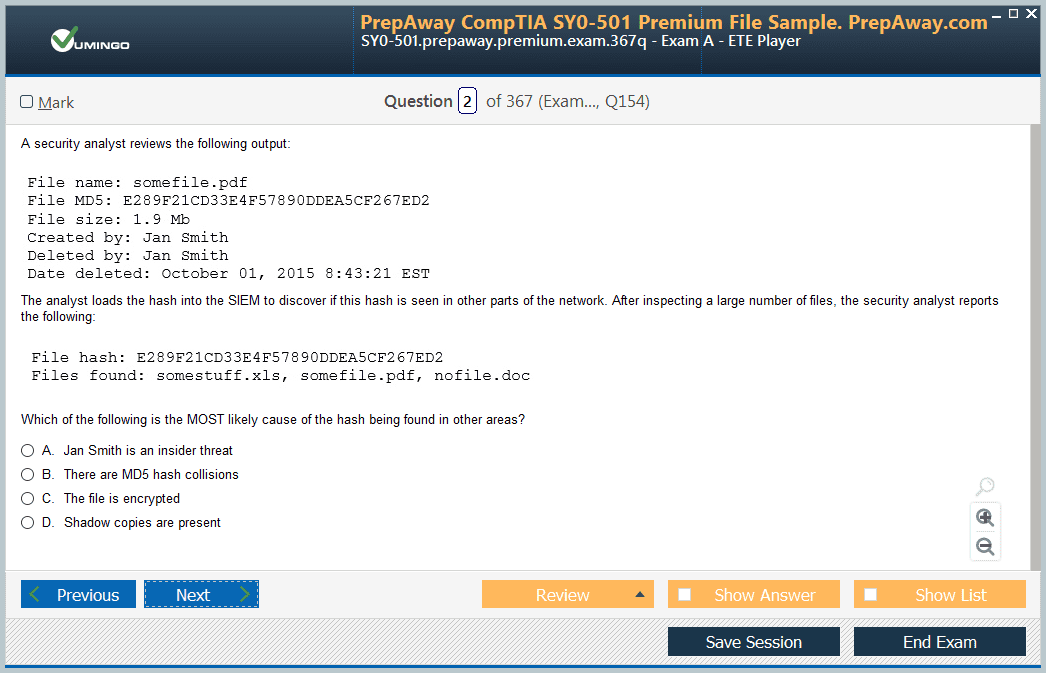
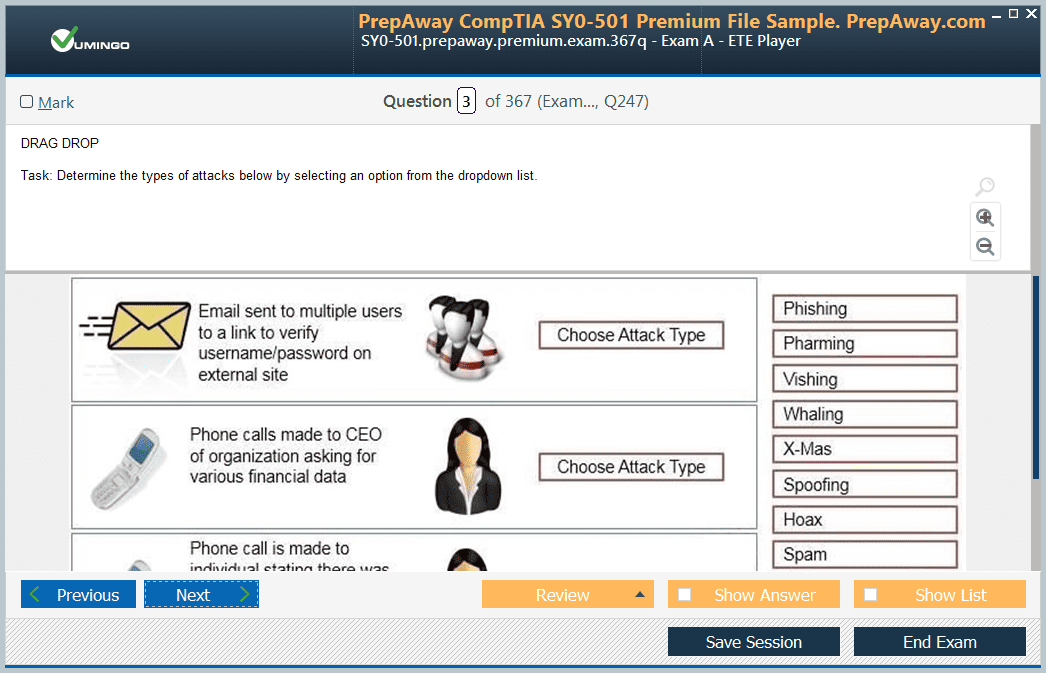
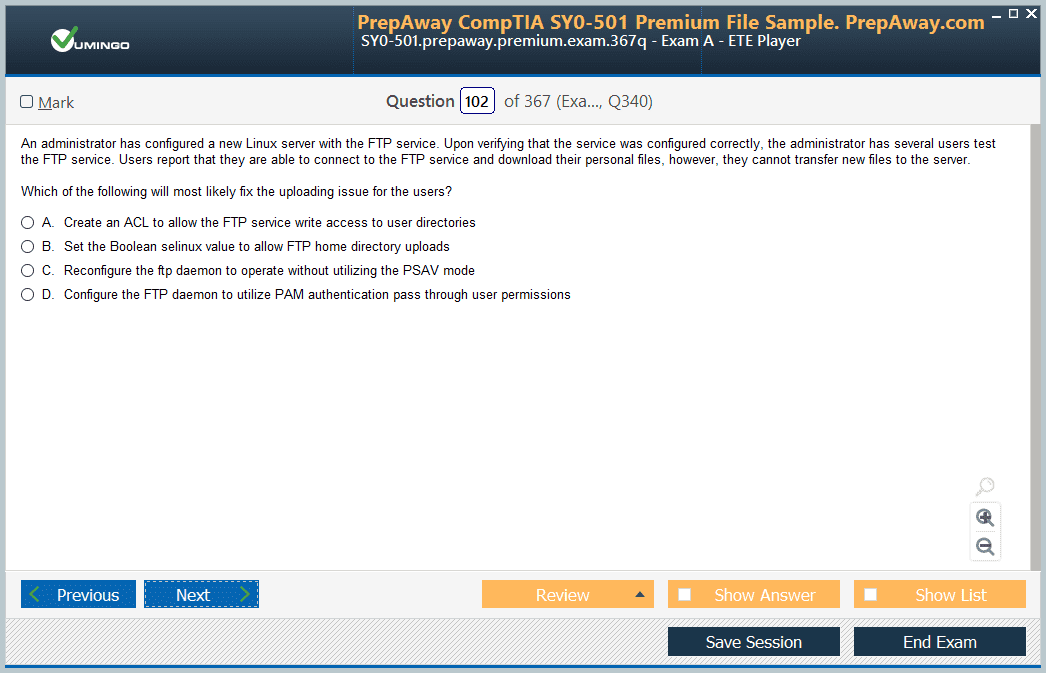
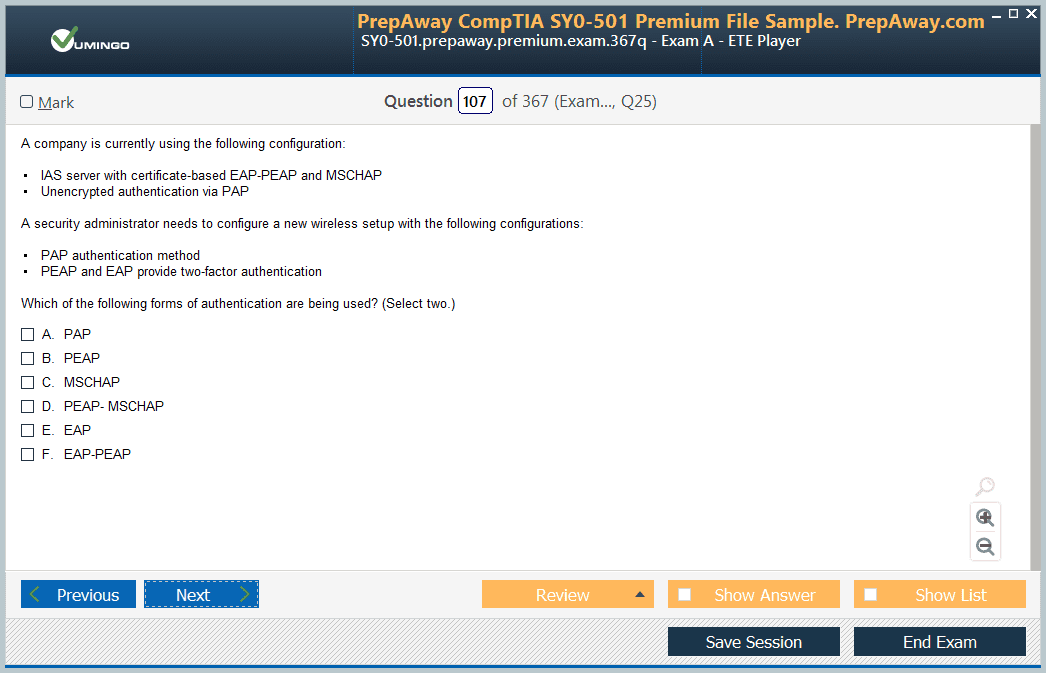
Last Week Results!
 83% students found the test questions almost same
All CIPS L4M4 certification exam dumps, study guide, training courses are Prepared by industry experts. PrepAway's ETE files povide the L4M4 Ethical and Responsible Sourcing practice test questions and answers & exam dumps, study guide and training courses help you study and pass hassle-free!
L4M4 Ethical and Responsible Sourcing: CIPS Level 4 Exam Guide
L4M4 Ethical and Responsible Sourcing is a current core module in the CIPS Level 4 Diploma in Procurement and Supply. CIPS places it among the six-credit objective-response modules and structures the syllabus around sourcing options, analysis of potential external suppliers, and compliance issues when buying from suppliers. The subject connects commercial sourcing decisions with ethics, sustainability, due diligence and risk.
Within the current CIPS qualifications pathway, L4M4 follows naturally from defining business need and works closely with L4M3 Commercial Contracting and L4M6 Supplier Relationships. Selecting a supplier responsibly is not separate from commercial performance: the chosen source, evaluation criteria, contract obligations and ongoing relationship determine whether ethical commitments survive after the tender closes.
Responsible sourcing begins with choosing the right sourcing model
Organisations can buy locally or internationally, single-source or multi-source, outsource an activity, bring it in-house or use a mixture of approaches. L4M4 candidates should understand that each option changes cost, control, dependency, visibility and risk. The cheapest supply market may create longer lead times, foreign-exchange exposure, regulatory complexity or weaker visibility into labour and environmental practices.
A strong sourcing decision therefore starts with the requirement and risk profile. Criticality, supply-market structure, switching difficulty, intellectual property, resilience needs and stakeholder expectations all matter. Candidates should practise comparing options rather than assuming that global sourcing, outsourcing or consolidation is automatically superior. The right model is the one whose benefits and risks fit the organisation’s objectives.
Supplier appraisal should combine capability, financial strength and responsible practice
Pre-qualification and supplier appraisal reduce the chance of awarding business to an organisation that cannot meet requirements. Evaluation can include capacity, technical capability, quality systems, financial health, legal status, information security, environmental performance, labour practices and prior performance. The weight given to each area should reflect the nature of the purchase.
Financial ratios and market intelligence are useful, but they need interpretation. A supplier with rapid growth may still face cash pressure; a small specialist may be financially weaker than a large incumbent yet offer unique capability. Ethical claims also need evidence. Policies and certificates can support due diligence, but buyers should understand scope, recency and whether actual operating practice aligns with the documents.
Site visits, audits and independent assurance can provide stronger evidence for higher-risk categories, but buyers still need to understand what was tested. An audit may cover one facility while production is subcontracted elsewhere. Certifications can expire or apply to a limited scope. Responsible sourcing therefore requires a chain of evidence that is proportionate to the risk rather than blind reliance on a familiar logo.
Tender design can make responsible sourcing measurable before award
If sustainability or social requirements matter, they should appear in the sourcing process rather than being introduced after selection. Specifications, questions, evidence requirements and evaluation criteria can test environmental performance, labour standards, diversity, traceability, emissions, modern-slavery controls or other priorities relevant to the category.
Candidates should understand the difference between mandatory criteria and scored criteria. A legal compliance requirement may be pass/fail, while an improvement plan could be evaluated comparatively. Poorly designed criteria create greenwashing risk because suppliers learn to write persuasive responses without changing operations. Good tender design asks for evidence that can later be verified and managed contractually.
Weighting also affects bidder behavior. If sustainability accounts for only a token share of the evaluation, suppliers will rationally concentrate on price and technical criteria. If a requirement is truly critical, the evaluation model should reflect that importance. Candidates should understand that scoring systems are governance tools: they translate organisational priorities into the mechanics of the award decision.
Ethics requires attention to conflicts, gifts, transparency and fair treatment
Responsible sourcing is not only about the supplier’s behavior. Procurement professionals must manage their own conduct. Conflicts of interest, gifts, hospitality, confidential information, unequal treatment of bidders and inappropriate influence can damage both the decision and the organisation’s reputation. Ethical practice protects the legitimacy of the sourcing process.
Revision scenarios should ask what a professional should disclose, document or refuse. A relationship with a bidder may not automatically disqualify someone, but undisclosed influence creates risk. Likewise, sharing one supplier’s commercial information with another can undermine competition. Ethical judgement often depends on transparency, consistency and whether the action could be defended to stakeholders later.
Compliance changes across sectors, countries and categories
Public procurement rules, competition law, sanctions, trade controls, product standards, environmental requirements and labour legislation can all affect sourcing. International procurement adds customs, Incoterms, jurisdictional differences and cross-border regulatory exposure. Candidates do not need to become lawyers, but they should recognise when compliance affects supplier selection and contracting.
A useful study method is to identify the compliance checkpoints in a sourcing cycle: market engagement, tender design, evaluation, award, contracting, import or delivery, and ongoing monitoring. This prevents compliance from being treated as a one-time questionnaire. Requirements can change after award, so contracts and supplier governance need mechanisms for notification, evidence and corrective action.
Incoterms are particularly useful for understanding where cost, responsibility and risk transfer in international trade, but they do not replace the whole sales contract. Payment, title, quality, remedies and many other obligations need separate treatment. Candidates should avoid assuming that choosing an Incoterm solves every cross-border contracting question; it addresses a defined part of the delivery arrangement.
ESG claims should be translated into category-specific sourcing decisions
Environmental, social and governance priorities are broad, but procurement acts through specific categories and suppliers. For logistics, emissions and fuel use may dominate. For electronics, minerals, labour conditions and end-of-life management may matter. For professional services, data, diversity or subcontracting practices may be more relevant. L4M4 candidates should connect the principle to the supply market.
This avoids generic sustainability language. A responsible sourcing plan should identify material impacts, set proportionate requirements, decide what evidence is credible and define how performance will be measured. The aim is not to impose every possible ESG criterion on every supplier; it is to manage the issues that are significant for the requirement and the organisation’s commitments.
Risk management continues after selection through monitoring and remediation
Supplier due diligence reduces risk but cannot eliminate it. Ownership can change, financial health can deteriorate, labour conditions can worsen and geopolitical events can disrupt a supply chain. Buyers therefore need ongoing monitoring, performance information, audit rights where appropriate, escalation paths and realistic remediation plans.
An ethical issue should not automatically be reduced to a binary terminate-or-ignore decision. The response depends on severity, legal obligations, stakeholder harm, supplier willingness to improve and the consequences of exit. Candidates should be able to explain when corrective action, enhanced monitoring, alternative sourcing or termination is proportionate. This connects responsible sourcing to practical supplier management.
Sub-tier visibility is one of the hardest responsible-sourcing problems. The contracted supplier may meet standards while labour, environmental or continuity risk sits deeper in the chain. Buyers can respond through disclosure requirements, mapping, audit rights, approved-subcontractor controls and collaborative improvement. The appropriate depth depends on category risk and the buyer’s leverage; complete visibility is rarely achievable at equal cost across every purchase.
Responsible sourcing and supplier relationships reinforce each other
The current L4M6 Supplier Relationships module develops the relationship-management side of the qualification. Ethical requirements are more likely to produce real improvement when the buyer and supplier share expectations, data and governance. At the same time, a close relationship can create complacency if performance is no longer challenged objectively.
A mature approach combines collaboration with accountability. Buyers can help suppliers improve processes, develop innovation or reduce environmental impact while retaining clear standards and evidence. The broader supply-chain management context matters because risk can sit several tiers away from the contracted supplier. Visibility and influence across the chain are central to responsible procurement.
Final preparation should connect sourcing choices to evidence and consequences
For L4M4 revision, organise study around the three CIPS learning areas: sourcing options, supplier analysis and compliance. Build scenarios that force trade-offs between price, capability, resilience and ethical risk. Ask what evidence would support the decision and how the chosen requirements would be carried into the contract and relationship.
Objective-response questions can test precise distinctions, so terminology matters, but definitions should be attached to a process. Candidates who can follow a requirement from sourcing strategy through appraisal, award, contracting and monitoring are less likely to treat ethics as a separate checklist. That integrated view is closer to how responsible sourcing works in practice and across the rest of the Level 4 Diploma.
Use a supplier-selection case as the final integrated exercise. Give three suppliers different strengths in price, financial stability, location, environmental performance, labour controls and resilience. Decide which criteria are mandatory, assign sensible weights to the remaining factors, identify evidence requirements and then choose a supplier. After the award, introduce a new risk such as sanctions, a labour allegation or financial deterioration and decide how the buyer should respond. The exercise connects sourcing strategy, appraisal, compliance and ongoing monitoring in one chain. It also demonstrates why responsible sourcing cannot be reduced to selecting the supplier with the best policy document: the buyer needs a defensible decision, credible evidence and a plan for what happens when circumstances change.
Keep proportionality in mind throughout. High-risk categories justify deeper due diligence and monitoring than routine low-risk purchases. Applying the same expensive control to every supplier can waste resources and reduce supplier participation. Responsible sourcing is strongest when controls are matched to material risk and can be explained to stakeholders.
A short written rationale for the award decision is also useful practice. Explain why the selected supplier offers the best overall fit, which risks remain, and what controls will be carried into the contract. This mirrors the governance discipline that makes sourcing decisions auditable and easier to defend later.
CIPS L4M4 practice test questions and answers, training course, study guide are uploaded in ETE Files format by real users. Study and Pass L4M4 Ethical and Responsible Sourcing certification exam dumps & practice test questions and answers are to help students.
Why customers love us?
What do our customers say?
The resources provided for the CIPS certification exam were exceptional. The exam dumps and video courses offered clear and concise explanations of each topic. I felt thoroughly prepared for the L4M4 test and passed with ease.
Studying for the CIPS certification exam was a breeze with the comprehensive materials from this site. The detailed study guides and accurate exam dumps helped me understand every concept. I aced the L4M4 exam on my first try!
I was impressed with the quality of the L4M4 preparation materials for the CIPS certification exam. The video courses were engaging, and the study guides covered all the essential topics. These resources made a significant difference in my study routine and overall performance. I went into the exam feeling confident and well-prepared.
The L4M4 materials for the CIPS certification exam were invaluable. They provided detailed, concise explanations for each topic, helping me grasp the entire syllabus. After studying with these resources, I was able to tackle the final test questions confidently and successfully.
Thanks to the comprehensive study guides and video courses, I aced the L4M4 exam. The exam dumps were spot on and helped me understand the types of questions to expect. The certification exam was much less intimidating thanks to their excellent prep materials. So, I highly recommend their services for anyone preparing for this certification exam.
Achieving my CIPS certification was a seamless experience. The detailed study guide and practice questions ensured I was fully prepared for L4M4. The customer support was responsive and helpful throughout my journey. Highly recommend their services for anyone preparing for their certification test.
I couldn't be happier with my certification results! The study materials were comprehensive and easy to understand, making my preparation for the L4M4 stress-free. Using these resources, I was able to pass my exam on the first attempt. They are a must-have for anyone serious about advancing their career.
The practice exams were incredibly helpful in familiarizing me with the actual test format. I felt confident and well-prepared going into my L4M4 certification exam. The support and guidance provided were top-notch. I couldn't have obtained my CIPS certification without these amazing tools!
The materials provided for the L4M4 were comprehensive and very well-structured. The practice tests were particularly useful in building my confidence and understanding the exam format. After using these materials, I felt well-prepared and was able to solve all the questions on the final test with ease. Passing the certification exam was a huge relief! I feel much more competent in my role. Thank you!
The certification prep was excellent. The content was up-to-date and aligned perfectly with the exam requirements. I appreciated the clear explanations and real-world examples that made complex topics easier to grasp. I passed L4M4 successfully. It was a game-changer for my career in IT!