Pass Checkpoint CCSA R80 Certification Exam in First Attempt Guaranteed!
Get 100% Latest Exam Questions, Accurate & Verified Answers to Pass the Actual Exam!
30 Days Free Updates, Instant Download!


156-215.80 Premium Bundle
- Premium File 536 Questions & Answers. Last update: Oct 30, 2026
- Training Course 48 Video Lectures
156-215.80 Premium Bundle
- Premium File 536 Questions & Answers
Last update: Oct 30, 2026 - Training Course 48 Video Lectures
Purchase Individually

Premium File
Training Course
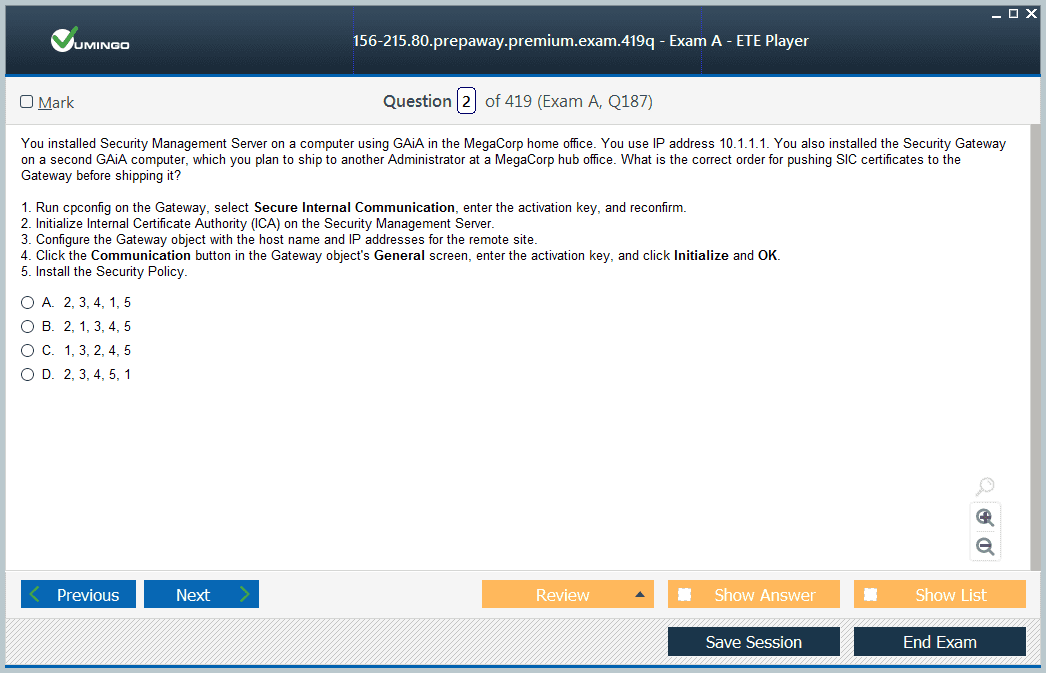
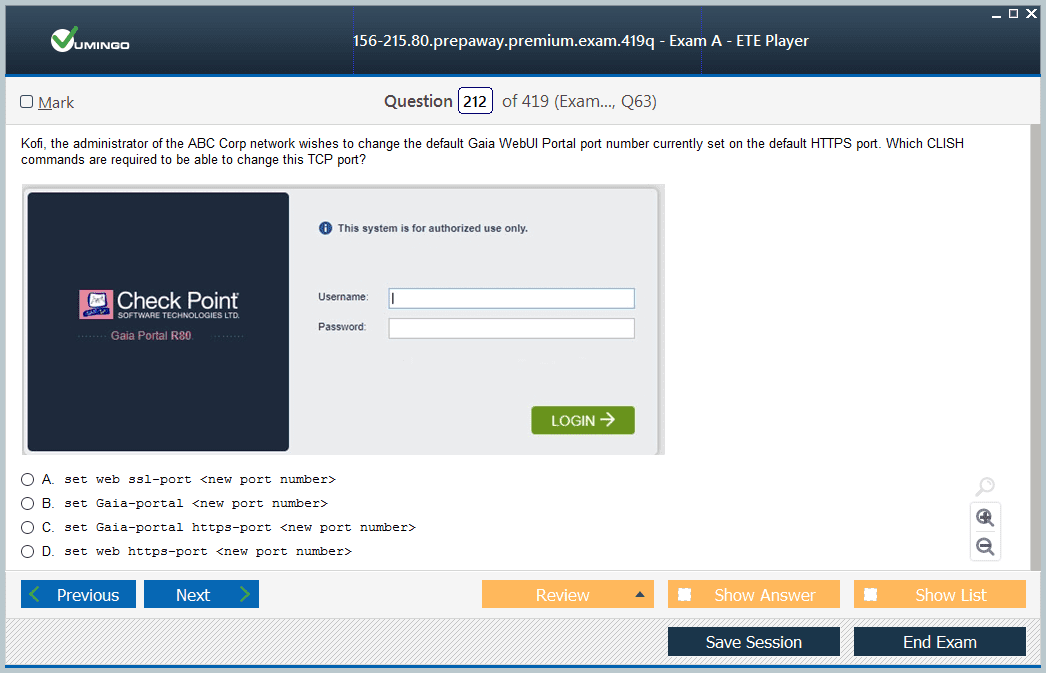
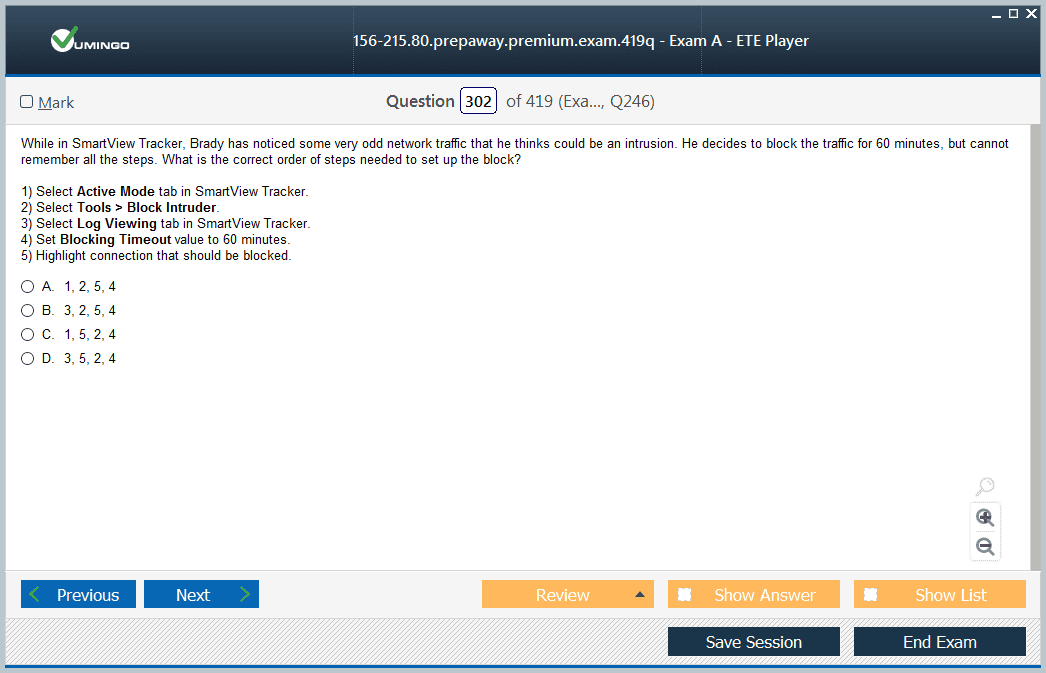
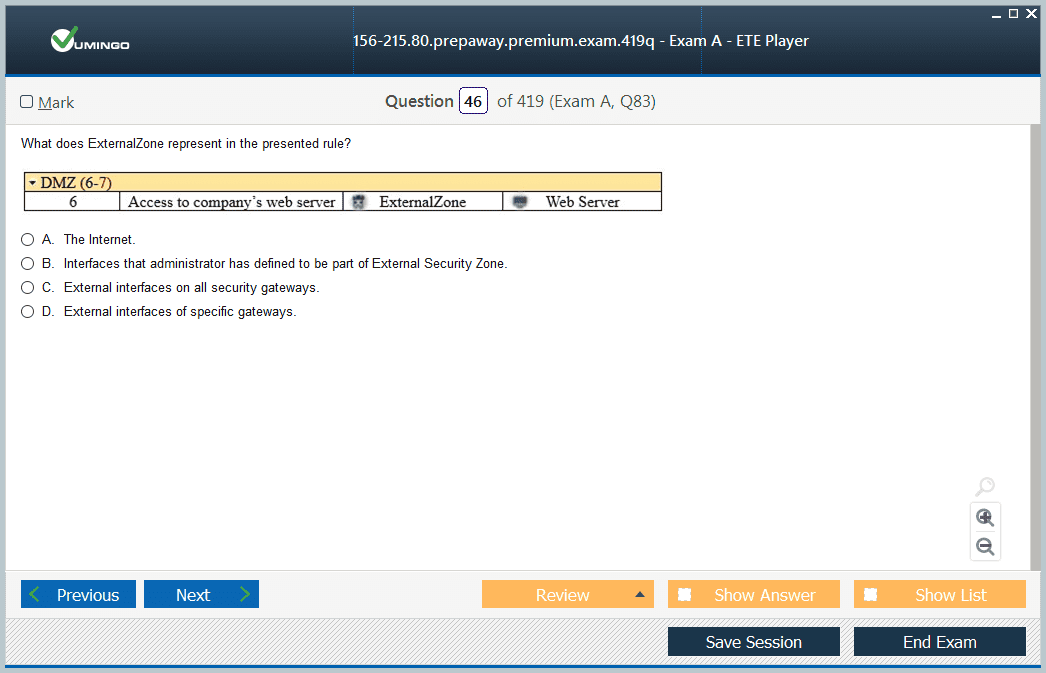
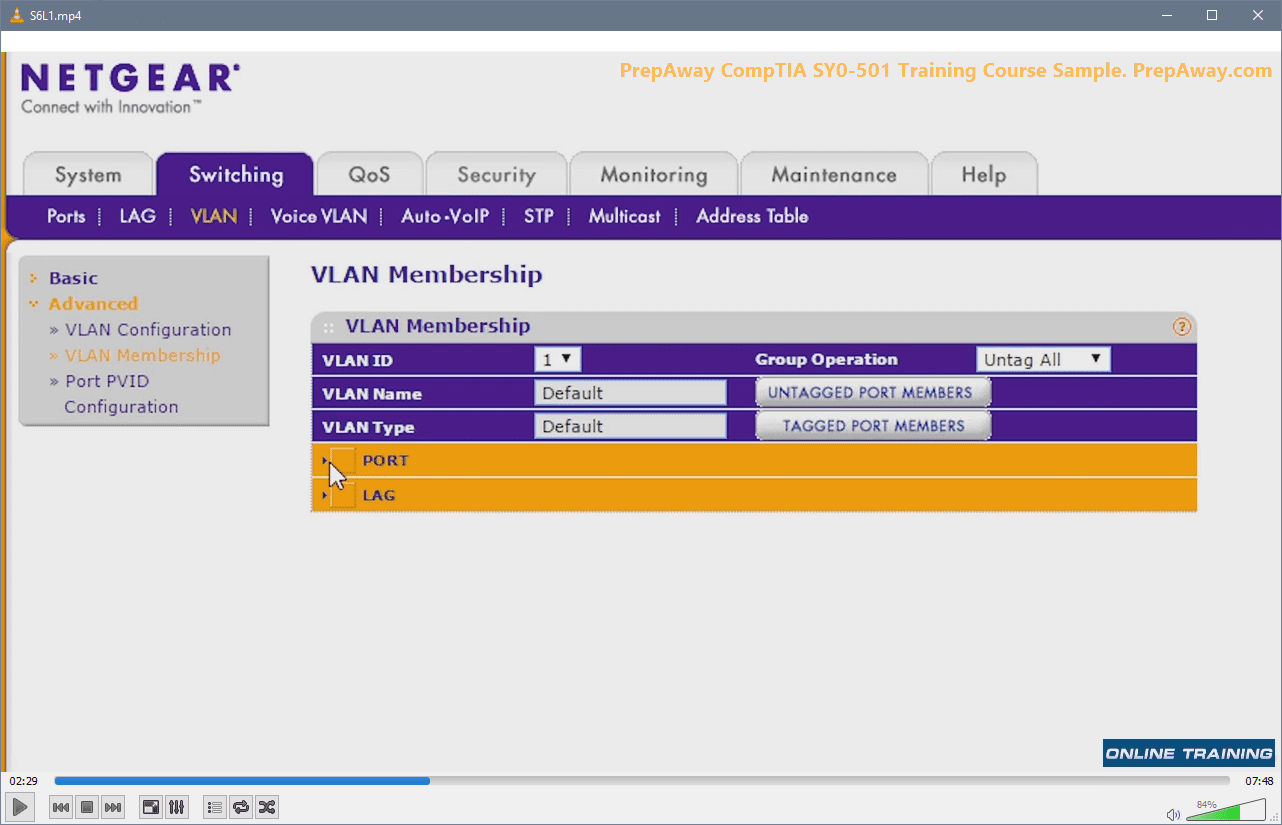
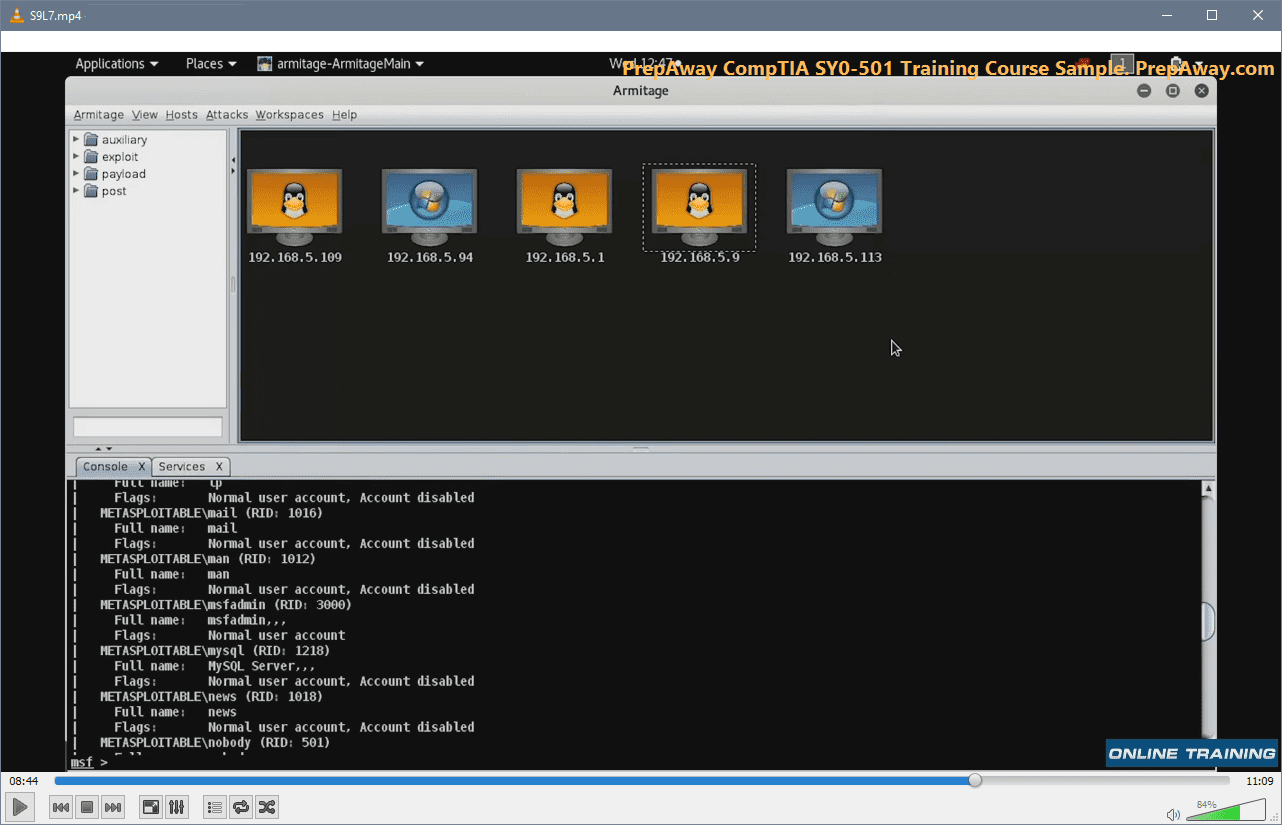
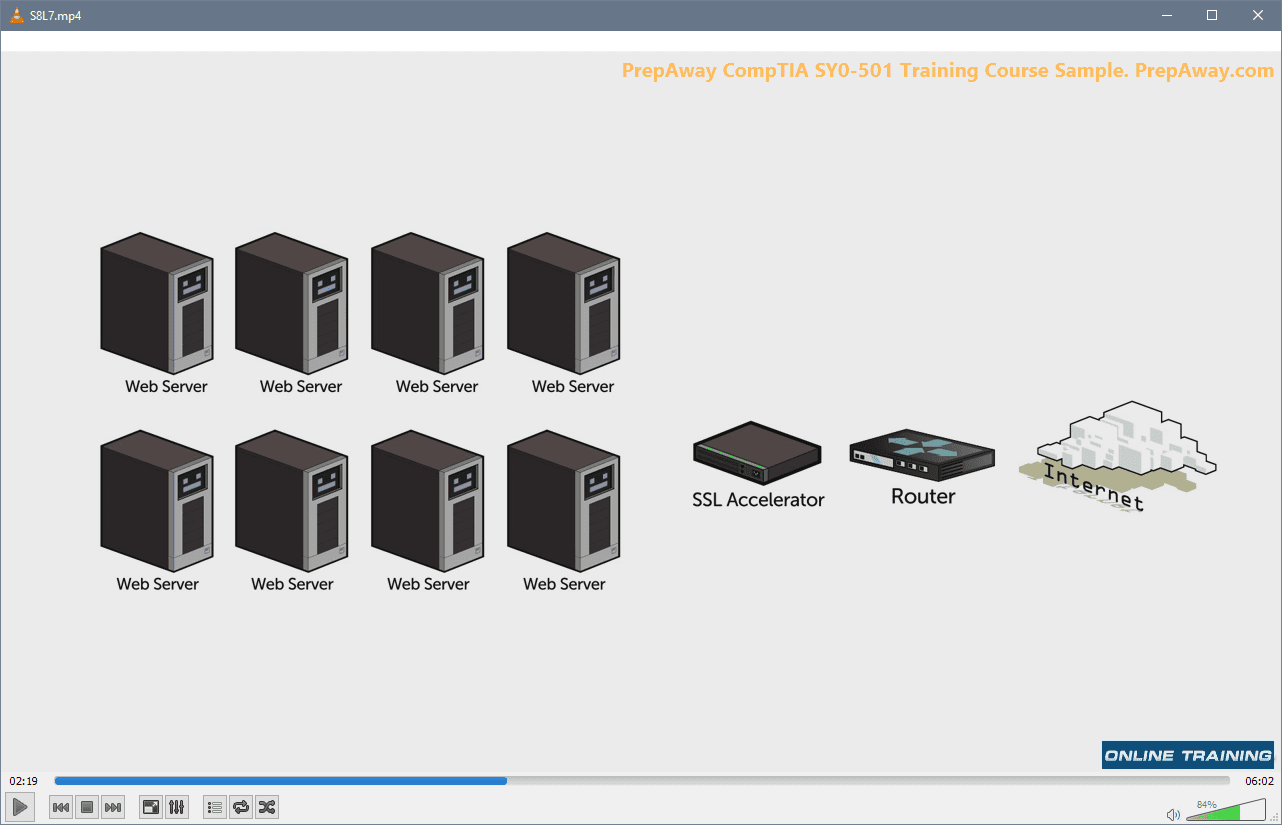
156-215.80 Exam - Check Point Certified Security Administrator (CCSA R80)
| Download Free 156-215.80 Exam Questions |
|---|
Checkpoint CCSA R80 Certification Practice Test Questions and Answers, Checkpoint CCSA R80 Certification Exam Dumps
All Checkpoint CCSA R80 certification exam dumps, study guide, training courses are prepared by industry experts. Checkpoint CCSA R80 certification practice test questions and answers, exam dumps, study guide and training courses help candidates to study and pass hassle-free!
CCSA R80: Preserving the Legacy Check Point Context While Preparing for R82
Check Point Certified Security Administrator R80 is a legacy version of the CCSA credential. Check Point retired the R80 CCSA and CCSE exams in 2022, and the current administrator exam in 2026 is CCSA R82, 156-215.82. That distinction is essential. Historical R80 content still explains important Check Point administration concepts, but a candidate booking an exam today should not prepare as though 156-215.80 were still the active target.
The current 156-215.82 exam validates administration of modern Check Point Quantum Security environments and belongs to the broader Check Point certifications. Check Point’s current exam-prep guide lists 100 multiple-choice questions, 90 minutes, a 70% passing score, and no required prerequisite, although networking, operating-system, and TCP/IP knowledge are recommended. Candidates should still confirm current booking details through Check Point and Pearson VUE before scheduling.
What the R80 Label Means Today
R80 was a major Check Point software generation and many organizations operated R80.x environments for years. The CCSA R80 certification therefore remains recognizable on older resumes and in historical training material. But versioned firewall certifications age differently from broad conceptual credentials. Management behavior, interface conventions, available blades, clustering options, threat-prevention capabilities, and recommended operations evolve with the platform.
Use R80 material to understand the lineage of Check Point administration, not to override R82 documentation. If an old lab teaches policy installation, object management, logging, or NAT logic that still behaves the same way, it can reinforce fundamentals. If it describes deprecated workflows or older product limits, retire that fact rather than forcing it into current preparation.
CCSA Is Fundamentally About Controlled Policy Administration
The administrator role starts with understanding the relationship among Security Management, Security Gateways, SmartConsole, objects, policy packages, layers, and logs. A useful study exercise is to predict policy behavior before generating traffic. Which rule should match? Which object group expands into the source or destination? Does identity change the match? Does NAT alter what you expect to see? What log evidence confirms the result?
This turns policy administration into a deterministic process instead of trial and error. The PrepAway discussion of CCSA and Check Point administration can provide additional context, but version-specific details should be checked against the current R82 course and exam material.
Objects, Layers, and Rule Order Need to Be Second Nature
Practice hosts, networks, services, groups, users, access roles, and gateway objects. Understand why accurate objects matter to both policy clarity and troubleshooting. Learn how ordered layers and inline layers affect evaluation so that you can explain where a decision was made rather than simply observing that traffic was accepted or dropped.
In a lab, make one policy change at a time. Review the change, install it to the intended target, generate matching and non-matching traffic, and inspect logs. That workflow mirrors real operational discipline and makes exam questions easier because you already think in terms of state, change, and evidence.
NAT, Identity Awareness, and HTTPS Inspection Add Context
Modern firewall administration is more than port-and-protocol filtering. Review automatic and manual NAT, how translation interacts with objects and routing, Identity Awareness, HTTPS Inspection, Application Control, URL Filtering, and threat-prevention policy at the administrator level. The goal is not expert troubleshooting depth; it is understanding what each control is for, how it is attached to policy, and how you verify its result.
Identity Awareness is especially useful to study as a chain: how identity is learned, how a user or machine maps to an access role, which rule consumes that context, and which log confirms the decision. HTTPS Inspection should be understood in terms of trust, certificate deployment, policy scope, and operational impact rather than as a simple on/off feature.
Logging and Monitoring Are Part of Every Change
CCSA candidates should be comfortable filtering logs, interpreting rule hits, viewing system status, and identifying whether an issue is policy-related or platform-related. A strong administrator does not respond to blocked traffic by randomly moving rules. Start from the expected behavior, inspect the matching logic, examine logs, then test routing, interface, identity, or gateway health as needed.
The role connection is visible in real-world career paths. A firewall administrator needs policy discipline and evidence-based troubleshooting every day, while a network security administrator often owns the wider change-management and operational context around those controls.
R82 Adds a Current Platform Context That R80 Cannot Supply
Check Point’s R82 training emphasizes current Quantum Security administration, including policy layers, security monitoring, Identity Awareness, HTTPS Inspection, Application Control and URL Filtering, and Autonomous Threat Prevention. The platform also includes capabilities and operational approaches that did not exist in the same form during early R80-era training.
That is why “I already have an R80 book†is not a current study plan. Use it to reinforce enduring concepts, then reconcile every operational topic with R82 material. If the interface, feature set, terminology, or recommended workflow changed, current documentation wins.
CCSA Builds Toward Security Engineering, Not Just a Badge
The next core certification step is currently CCSE R82. PrepAway’s CCSE R82 certification page and the 156-315.82 exam provide the relevant current destination for engineers who want to move beyond administration into management high availability, advanced policy, VPN, upgrades, migration, monitoring, and ElasticXL clustering. The historical CCSE R80 page remains useful only for understanding the earlier version path.
From a career perspective, CCSA knowledge maps naturally to network security operations. The network security engineer role adds design, troubleshooting, and broader platform responsibility, which is why CCSA should be treated as an operational foundation rather than an end state.
A Good Lab Mirrors a Change Ticket
Build a small environment and practice the whole cycle. Document the intended change. Create or modify an object. Adjust policy. Review NAT and identity implications. Install the policy. Generate traffic. Verify the expected log. Confirm that unrelated traffic still behaves correctly. Then roll back or modify the change and verify again.
This method is better than memorizing menus because it teaches cause and effect. It also exposes whether you truly understand the rulebase. If traffic behaves differently from your prediction, you have a concrete question to investigate rather than a vague sense that “the firewall is not working.â€
Because the page name is historical, version discipline matters throughout preparation. Many fundamental concepts—objects, rule matching, policy installation, NAT, identity, logging, and gateway administration—remain useful, but commands, screens, feature behavior, and recommended workflows can change between releases. When an old R80 explanation conflicts with current R82 documentation or lab behavior, the current platform should win. Keep a short “legacy versus current†note so older study material does not quietly become your source of truth.
Spend time on the relationship among management, gateways, and the Gaia operating environment. The management server stores and distributes policy and objects; gateways enforce traffic decisions; Gaia provides the underlying platform administration. Troubleshooting becomes much easier when you know which layer owns the symptom. A policy installation failure, an interface problem, and an identity-learning issue may all affect traffic, but they require different evidence and different corrective actions.
Threat-prevention and application controls should be understood as extensions of policy, not isolated product names. Practice how profiles or layers are associated with traffic, how updates influence detection, where logs are generated, and how an administrator validates that the intended protection is active. The key skill is following a connection from rule match through inspection to logged outcome.
Use change-control scenarios in your labs. Start with a known-good baseline, make one policy or object change, install to the correct target, generate test traffic, inspect logs, and then verify an unrelated flow still behaves normally. This teaches the operational discipline behind CCSA and protects against the common mistake of “fixing†one access problem by broadening policy more than necessary.
Finally, build confidence with short troubleshooting trees. If traffic is unexpectedly blocked, check rule matching, source and destination objects, services, identity, NAT, installation status, routing, and gateway health in a consistent order. If traffic is unexpectedly allowed, confirm which rule matched and whether a more specific intended control was bypassed. A repeatable diagnostic method is more valuable than memorizing where a checkbox lived in an older release.
Command-line familiarity is useful, but do not let it replace management-plane understanding. Use CLI tools to confirm interfaces, routes, processes, and gateway state, then relate that evidence back to SmartConsole policy and logs. The strongest administrator can move between management context and platform context without treating them as separate systems.
For exam review, convert product features into administrative questions: what problem does the feature solve, where is it configured, what prerequisite state must exist, how is policy installed or activated, and which log proves the result? That method keeps preparation current even when interface wording changes and makes older R80 references easier to evaluate against R82.
Study the Legacy Page Without Creating Legacy Confusion
If you earned CCSA R80 historically, list it accurately as the credential you earned. If you are reading this page because an old study guide or job description mentions R80, use it as a historical marker. If you are preparing for certification now, use R82 and 156-215.82. That current-versus-legacy distinction is more important than preserving every old exam fact.
The strongest preparation combines durable concepts with current platform behavior: clear policy logic, accurate objects, controlled changes, useful logs, identity-aware access, modern inspection, and a methodical troubleshooting process. Those skills survived the move from R80 to R82 even though the exam version did not.
CCSA R80 certification practice test questions and answers, training course, study guide are uploaded in ETE files format by real users. Study and pass Checkpoint CCSA R80 certification exam dumps & practice test questions and answers are the best available resource to help students pass at the first attempt.