
GRE Practice Test


GRE Test Premium Bundle
- Premium File 642 Questions & Answers. Last update: Sep 20, 2026
- Training Course 35 Video Lectures
- Study Guide 1763 Pages
GRE Test Premium Bundle
- Premium File 642 Questions & Answers
Last update: Sep 20, 2026 - Training Course 35 Video Lectures
- Study Guide 1763 Pages
Purchase Individually

Premium File
Training Course
Study Guide
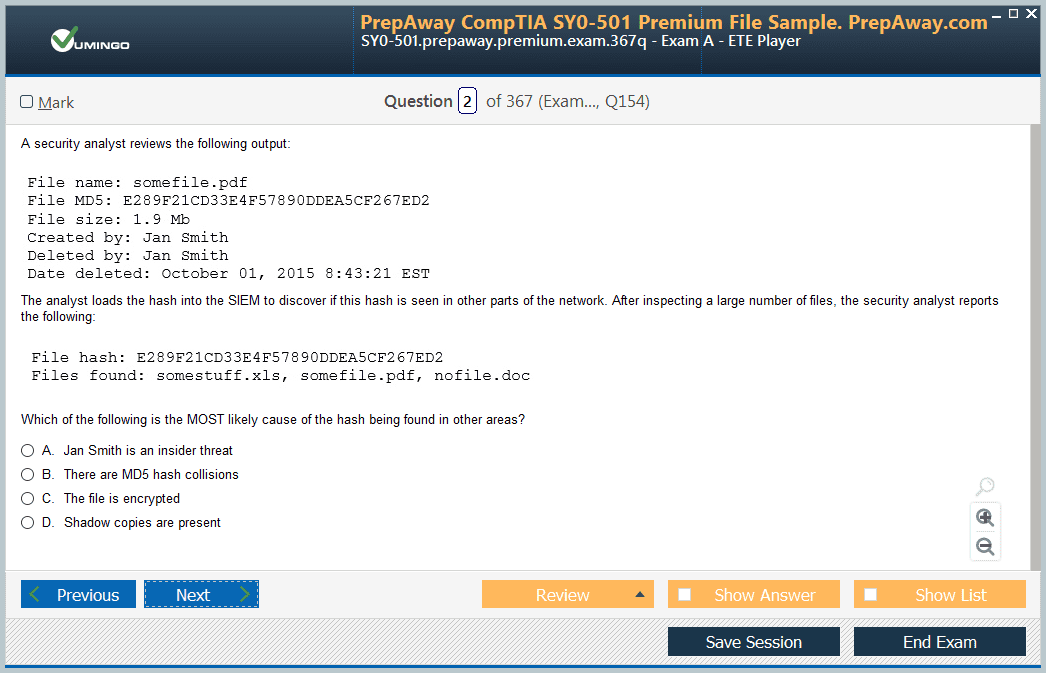
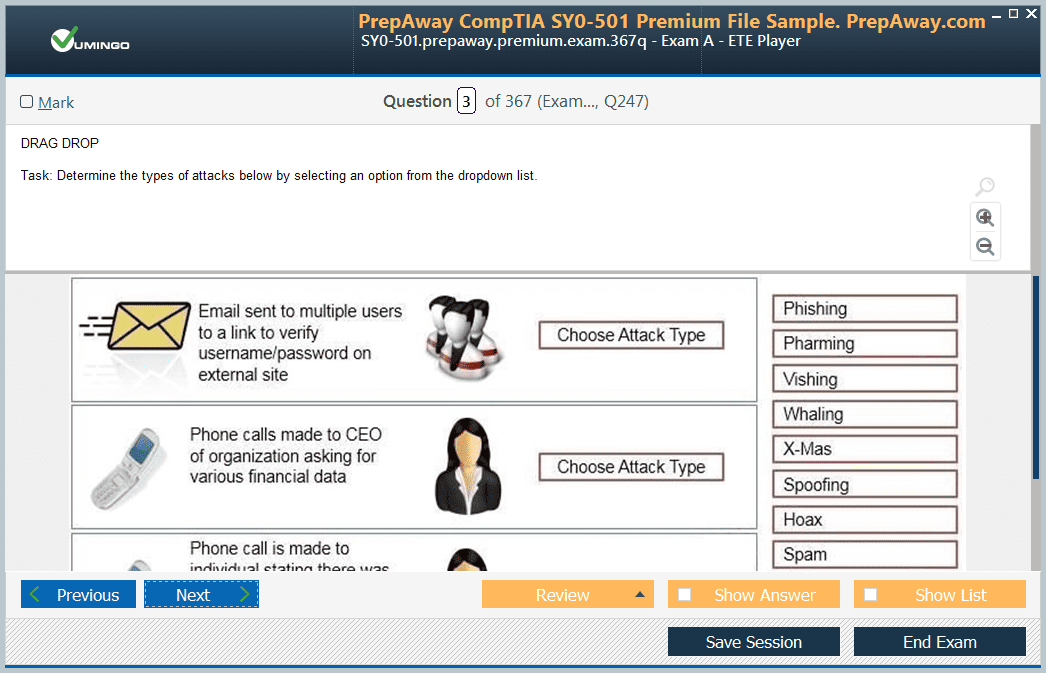
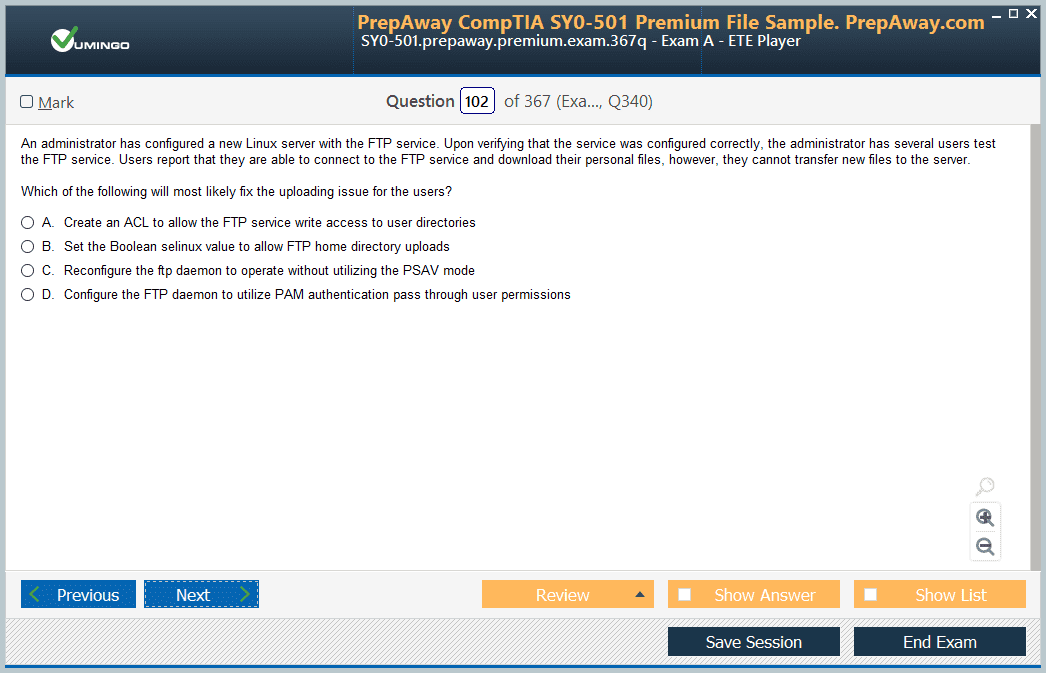
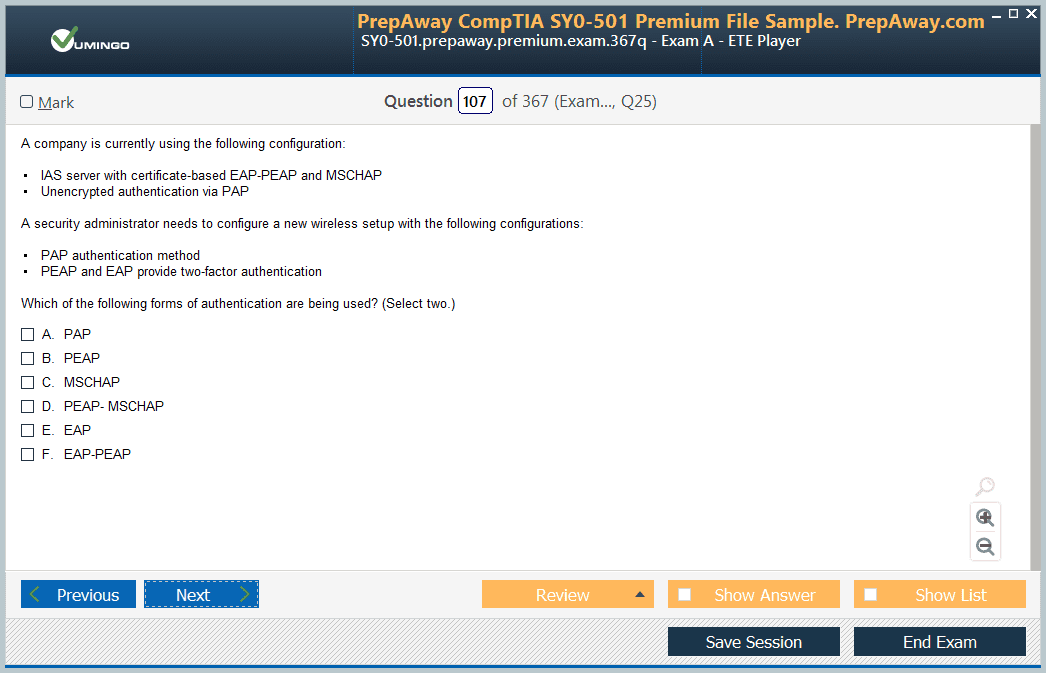
Test Prep GRE Course Practice Test Questions and Answers, Test Prep GRE Course Exam Dumps
All Test Prep GRE certification exam dumps, study guide, training courses are prepared by industry experts. Test Prep GRE certification practice test questions and answers, exam dumps, study guide and training courses help candidates to study and pass hassle-free!
GRE certification practice test questions and answers, training course, study guide are uploaded in ETE files format by real users. Study and pass Test Prep GRE certification exam dumps & practice test questions and answers are the best available resource to help students pass at the first attempt.
GRE Test Exam - Graduate Record Examination Test: Verbal, Quantitative, Analytical Writing
| Download Free GRE Test Exam Questions |
|---|
Test Prep GRE Certification Practice Test Questions and Answers, Test Prep GRE Certification Exam Dumps
All Test Prep GRE certification exam dumps, study guide, training courses are prepared by industry experts. Test Prep GRE certification practice test questions and answers, exam dumps, study guide and training courses help candidates to study and pass hassle-free!
GRE General Test: Current Format, Scoring, and Focused Preparation
The GRE General Test is shorter than many older study books suggest, but its core challenge has not become superficial. The current exam asks candidates to read precisely, reason with quantitative information, and produce an organized analytical response under tight section limits. That combination rewards familiarity with the test design, yet the larger payoff comes from learning how to make reliable decisions when a passage is dense, a data set is unfamiliar, or several answer choices appear defensible.
For candidates working from older GRE resources, the first job is to separate durable skills from obsolete administration details. The present GRE General Test has one Analytical Writing task, two Verbal Reasoning sections, and two Quantitative Reasoning sections. The computer-delivered test is roughly two hours long, and the verbal and quantitative measures remain section-level adaptive. A preparation plan should therefore be built around the current section structure rather than the longer pre-September-2023 format.
The Current GRE Fits Five Scored Sections into About Two Hours
ETS lists one 30-minute Analytical Writing section containing an “Analyze an Issue” task. Verbal Reasoning follows in two separately timed sections: 12 questions in 18 minutes and 15 questions in 23 minutes. Quantitative Reasoning also appears twice, with 12 questions in 21 minutes and 15 questions in 26 minutes. The order of the verbal and quantitative sections can vary, so candidates should be ready to shift between text-heavy and numerical reasoning without depending on one fixed sequence.
The shorter format changes pacing strategy. There is less room for a slow opening section followed by a late recovery. Candidates need a repeatable method for deciding when to invest another minute and when to make the best supported choice and move on. Timed practice is most useful when it records not only whether an answer was right, but how long the decision took and what evidence resolved the question.
Section-Level Adaptivity Makes the First Section Important
The GRE is not adaptive question by question. Instead, performance on the first Verbal section influences the difficulty of the second Verbal section, and the same relationship applies to Quantitative Reasoning. That means a candidate can review and change answers within the current section, but cannot treat the first section as a warm-up with no scoring consequence.
Adaptivity also explains why raw correct-answer counts are not enough to predict a final scaled score. ETS converts performance to the 130–170 scale for both Verbal and Quantitative Reasoning after accounting for section difficulty. Analytical Writing is reported separately on a 0–6 scale in half-point increments. A useful practice log therefore tracks scaled-score trends where official practice tests provide them, while still diagnosing the underlying question types that produced those scores.
Verbal Reasoning Rewards Relationships, Not Vocabulary Lists Alone
Vocabulary matters because sentence-equivalence and text-completion questions depend on precise meaning, but memorizing isolated definitions is an incomplete strategy. The better question is how a word functions within an argument, contrast, concession, or cause-and-effect relationship. When a sentence contains a pivot such as “although,” “yet,” or “despite,” the logical structure often narrows the answer before every option has been fully evaluated.
Reading-comprehension work should be equally structural. Instead of trying to remember every detail, identify the passage’s purpose, the author’s position, the role of each paragraph, and the evidence used to support or challenge a claim. For inference questions, prefer the answer that requires the fewest assumptions. The GRE often makes an incorrect option attractive by borrowing vocabulary from the passage while changing the scope or certainty of the original claim.
Quantitative Reasoning Is a Modeling Test as Much as a Math Test
The quantitative measure draws on arithmetic, algebra, geometry, and data analysis. The underlying mathematics is generally more familiar than the wording that surrounds it. Candidates can lose points by solving the wrong quantity, assuming a diagram is to scale, ignoring a restriction, or choosing an answer that reflects an intermediate calculation instead of the requested result.
Build a habit of translating each problem before calculating. State what is known, what must be found, and which relationship connects the two. Estimation is valuable when answer choices are widely separated, while exact algebra is safer when differences are small. The on-screen calculator can reduce arithmetic burden, but it does not decide which operation is appropriate. Practice should include deliberate decisions about when the calculator saves time and when mental arithmetic is quicker.
Analytical Writing Now Uses One Issue Task
The older two-essay format is no longer the standard current GRE. Candidates now complete one 30-minute “Analyze an Issue” task. That makes every minute of planning and drafting visible in a single writing sample, so preparation should emphasize a compact method rather than memorized introductions. A workable process is to define the claim, identify the most defensible position, choose two or three lines of reasoning, consider one meaningful complication, and then write with clear paragraph purpose.
Strong essays do not require ornate vocabulary. They require a position that remains consistent, relevant examples, logical development, and enough qualification to show that the writer has considered complexity. Practice under the full 30-minute limit is essential because an elegant untimed response does not demonstrate the same skill as a coherent essay produced under test conditions.
Use Official Practice to Calibrate Pacing
ETS provides POWERPREP practice tests that reproduce the computer-delivered experience. Those tests are particularly useful because section timing and adaptivity are difficult to imitate with a random question bank. Use an early official test to establish a baseline, then preserve another for later so that improvement can be measured after targeted work.
Between full-length tests, shorter practice sets should have a specific purpose. One session might focus on inference questions, another on quantitative comparison, and another on translating word problems. A broad set is useful for stamina, but a narrow set makes error patterns easier to see. The goal is not to accumulate the largest number of completed questions; it is to reduce repeatable decision errors.
GMAT Comparisons Should Reflect the Current GRE, Not Legacy Versions
Applicants considering business programs often compare the GRE with the GMAT. That decision should use current versions of both tests and the admissions policies of the programs on the candidate’s list. PrepAway’s differences between the GMAT and GRE can frame the major contrasts, while the current GMAT provides a separate route for candidates who choose that exam.
Older articles can still be useful if they are read historically. For example, discussions of the shorter GRE format explain why many legacy timing assumptions no longer fit. The practical rule is simple: use current ETS specifications for format and policy, and use comparison content for decision context rather than as a substitute for official test information.
Review Errors by Cause Instead of by Subject Label
A missed geometry problem and a missed reading question may share the same underlying cause: the candidate answered a familiar-looking question before identifying exactly what was being asked. Error review should therefore include categories such as concept gap, careless reading, unsupported inference, algebra setup, arithmetic execution, vocabulary, time pressure, and answer-choice trap.
For each miss, write a brief correction that can change future behavior. “Review probability” is too vague. “For probability questions involving ‘at least one,’ test whether the complement is faster” is actionable. The same principle works in verbal practice: instead of “read more carefully,” record the exact word or relationship that made the wrong option untenable.
Finish with a Test-Day Plan You Have Already Rehearsed
The final phase should look less like learning and more like execution. Rehearse section timing, breaks, calculator use, skipping decisions, and the writing outline until none of them require improvisation. Keep sleep and daily schedule stable before the exam, and confirm the current ETS identification, test-center, or at-home requirements that apply to the chosen administration.
Scores for Verbal and Quantitative Reasoning are reported on the 130–170 scales, while Analytical Writing is reported from 0–6. ETS makes official scores available after processing and keeps GRE scores reportable for five years. Those administrative details matter, but the best preparation target is more immediate: arrive able to recognize the task, choose an efficient method, and support each answer with evidence rather than familiarity. A concise GRE and GMAT can help applicants keep the broader admissions decision separate from the day-to-day work of mastering the GRE itself.
One additional planning decision is score reporting. Because GRE scores remain reportable for five years, candidates should choose a test date that balances readiness with application timing instead of testing simply because an early date is available. If a retake might be needed, leave enough space in the calendar for the current ETS retest interval and for official scores to reach programs before their deadlines. Applicants should also check whether each program requires the GRE at all, accepts it optionally, or places unusual emphasis on one measure. That admissions research does not change how the exam is solved, but it does change how much time and money should be invested in retesting.
For the final two or three practice tests, reproduce the actual section limits exactly and avoid stopping to inspect answers between sections. The most realistic diagnostic is not the score from a collection of individually perfected sections; it is performance while attention must be maintained continuously. Afterward, review slowly and identify where fatigue changed behavior. If late-section misses come from rushing, build a pacing checkpoint. If they come from careless reading, practice a brief reset before beginning the next section. These small procedural fixes can protect skills that are already present.
GRE certification practice test questions and answers, training course, study guide are uploaded in ETE files format by real users. Study and pass Test Prep GRE certification exam dumps & practice test questions and answers are the best available resource to help students pass at the first attempt.




Thanks